





















Perth Wildcats vs United Ends in a One-Point Finish and a Postgame Flashpoint

The Perth Wildcats dropped a tight Wildcats vs United contest, falling 74–73 to Melbourne United at RAC Arena on Sunday, Jan. 25, 2026, in a result that swung on a single late shot. Beyond the ladder impact, the Wildcats left the floor facing two storylines at once: a crunch-time collapse and a tense postgame confrontation that shifted attention from basketball to leadership and response.
A late three turns the game in 30 seconds
With under a minute left, the game had the familiar feel of a rivalry that rarely stays comfortable for either side. Melbourne guard Milton Doyle hit a three-pointer with 30 seconds remaining to put United in front, and that shot ultimately decided the one-point margin. Doyle finished with 24 points and eight assists, providing control and scoring when the game tightened and possessions became scarce.
The final minutes were shaped by both execution and fatigue. Perth had pushed the pace earlier and created enough looks to build a lead, but the closing stretch demanded precision: clean spacing, decisive shot selection, and disciplined defense without fouling. Melbourne’s final shot-making proved cleaner, and Perth’s last chances did not produce the points needed to answer.
Perth’s closing possessions: the small margins that matter
For the Wildcats, the loss will be studied as a collection of little moments rather than one single mistake. In one-point finishes, the swing often comes from a missed box-out, a rushed shot, or a defensive switch that arrives half a step late. When games compress into the final two minutes, even strong teams can look disjointed if roles are unclear or the offense turns too static.
Some specifics have not been publicly clarified about the Wildcats’ exact play calls in the final possessions. Further specifics were not immediately available regarding any internal review the team conducted in the immediate aftermath.
What is clear is the broader pattern that decides these results: late-game offense typically becomes a two-option menu. Teams either keep their flow with quick decisions and multiple touches, or they slow down into isolation and hope talent wins. The best outcomes usually come from a blend, using structured actions to create a first advantage, then trusting a finisher only after the defense has been forced to rotate.
Postgame altercation adds a second headline
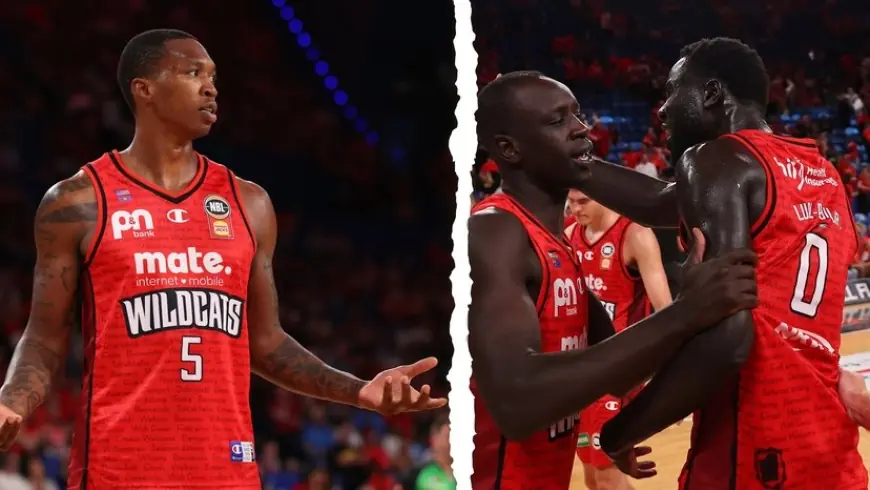
The rivalry’s intensity did not end at the buzzer. After the game, Kristian Doolittle and Jo Lual-Acuil Jr were involved in a heated confrontation, creating a moment that immediately overshadowed the basketball narrative. Doolittle later issued an apology, and the club signaled it had addressed the incident internally. Coach John Rillie also spoke publicly about handling the matter after reviewing full context, framing it as something to be dealt with directly rather than allowed to linger.
The reason for the flare-up has not been stated publicly. Some specifics have not been publicly clarified, including the exact sequence of events and what was said in the immediate exchange.
Mechanically, teams typically handle incidents like this in a straightforward process: review video, speak to the players involved, set clear expectations for conduct, and reinforce accountability through leadership groups. If the league becomes involved, it generally follows a review-and-decision pathway, where footage and reports are assessed before any disciplinary outcome is communicated. That structure exists to keep responses consistent and prevent impulsive judgments in emotional moments.
Who’s affected and what comes next for the Wildcats
Two groups feel the impact right away. The first is the locker room, because trust and clarity are essential in close games where one rotation or one extra pass can be the difference between a win and a loss. The second is the fan base, because highly visible conflict can change the atmosphere around a team, influence how opponents respond on the floor, and create a week of noise that competes with preparation.
There are also practical ripple effects for coaches and staff: practice time that might be spent on scouting and late-game reps can shift toward resetting standards and re-centering focus. For a team with postseason ambitions, that balance matters, because the difference between a strong finish to the regular season and an inconsistent one often comes down to how quickly a group recovers from emotionally draining losses.
The next verifiable milestone is the Wildcats’ next scheduled game on Wednesday, Jan. 28, 2026, which will provide an immediate on-court response point. If any league review is initiated regarding the postgame incident, the next milestone would be a formal determination before an upcoming round, but no public outcome should be assumed until it is officially communicated.
For Perth, the formula is simple: tighten late-game execution, keep the Wildcats’ identity intact, and ensure the week’s headlines return to basketball.