
























Waabi Secures $750M to Launch Robotaxi Fleet with Uber

Autonomous vehicle startup Waabi Innovation Inc. made headlines by securing an impressive US$750 million in funding. This round is one of the largest in Canadian history, marking a significant milestone for the Toronto-based company. Waabi plans to use this capital to introduce a fleet of robotaxis in collaboration with Uber Technologies Inc.
Funding Details
The recent investment elevates Waabi’s total funding to US$1 billion, with contributions from notable investors like Khosla Ventures, G2 Ventures Partners, Nvidia’s venture arm, and others. Waabi had previously raised US$283.5 million.
Technology and Operations
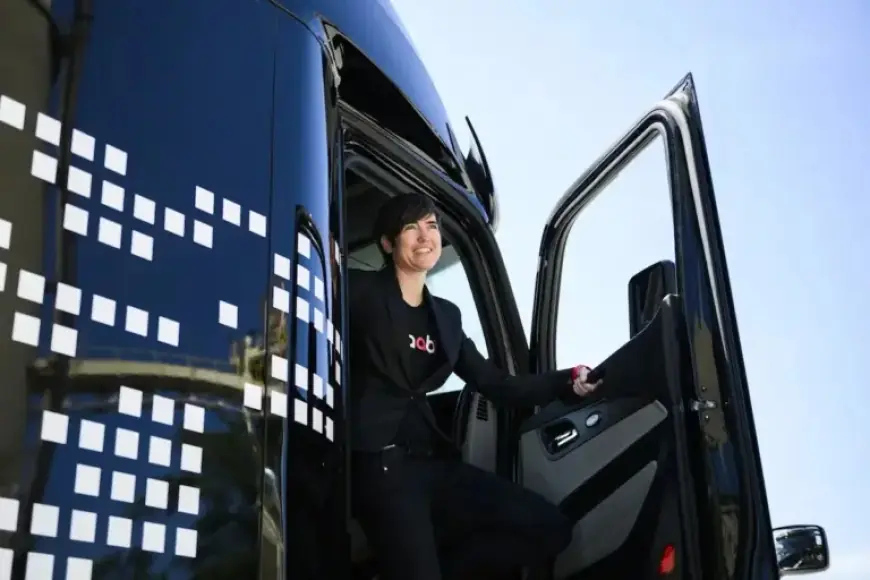
Founder Raquel Urtasun stated that Waabi’s technology allows for a seamless transition between operating long-haul trucks and robotaxis. This adaptability stems from their AI system, which Urtasun emphasizes is equipped for both applications.
- Waabi plans to deploy at least 25,000 autonomous vehicles on Uber’s ride-hailing service.
- Details regarding the launch locations and timelines are yet to be disclosed.
- Waabi previously partnered with Uber Freight for autonomous long-haul trucking since 2023.
Strategic Industry Position
Urtasun, a former chief scientist at Uber, believes that Waabi is poised for rapid market entry. She remarked, “We’re going to enter and deploy in robotaxi markets much faster than you’ve seen to date.” Waabi, unlike competitors like Waymo, aims to focus primarily on technology development rather than consumer-facing applications.
Market Challenges and Safety Concerns
While autonomous vehicles are gaining acceptance, concerns remain about safety. Reports have highlighted issues with existing robotaxi operations, prompting investigations into other companies in the sector. Urtasun insists Waabi’s robotaxis could provide enhanced safety compared to human drivers, potentially increasing comfort for vulnerable riders.
Future Projections
Waabi’s approach to training AI models in virtual simulations is set to streamline development costs and timelines. These methods could enable Waabi to expedite timelines for generating operational autonomous vehicles.
In the trucking sector, Waabi aims to transition to fully autonomous operations by 2025. Urtasun previously stated that the company is waiting for new truck models from its manufacturing partner, Volvo, designed for complete autonomy.
As Waabi moves forward with its ambitious plans, the partnership with Uber adds a competitive edge that highlights the ongoing evolution in the autonomous vehicle industry.