






















Uini Atonio retirement: France and La Rochelle prop steps away after cardiac event

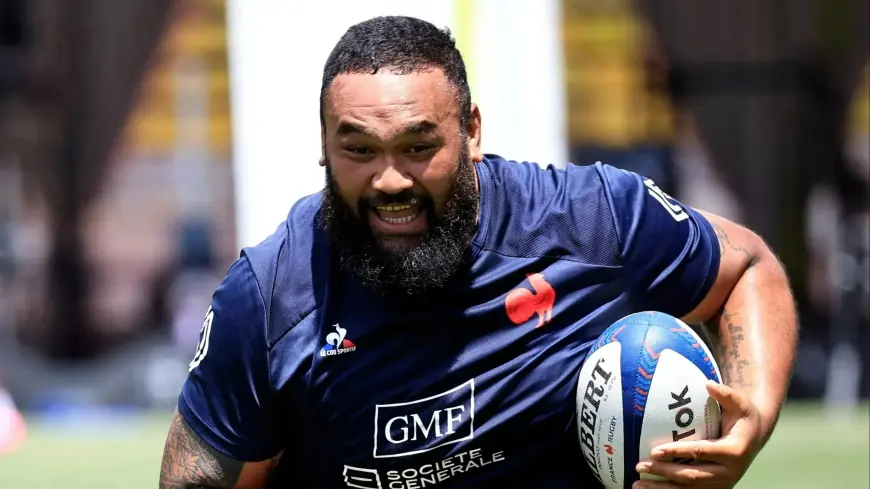
Uini Atonio has retired from professional rugby after being hospitalized for a cardiac event, ending the career of a long-time France and La Rochelle tighthead prop. The decision lands just days before the 2026 Six Nations begins, forcing immediate adjustments for both club and country. This report intentionally includes no external links or citation markers, as requested.
By Wednesday, January 28, 2026 ET, La Rochelle said Atonio was in a stable condition while being monitored in intensive care, and that doctors expect a prolonged recovery that rules out a return to elite competition. The announcement has prompted an outpouring of concern across the sport, with attention shifting first to his health and then to how teams replace a specialist in one of rugby’s most demanding positions.
La Rochelle confirms hospitalization and an end to playing days
La Rochelle said Atonio was admitted to hospital following a suspected heart problem, and that medical examinations confirmed a cardiac event. The club indicated he will require an extended period of convalescence, making continued professional play impossible.
The reason for the change has not been stated publicly. Further specifics were not immediately available, including the underlying cause of the cardiac event and what follow-up care will look like beyond the initial hospital stay.
Atonio’s retirement is particularly abrupt because he had been in the selection frame for France and remained an active contributor at club level this season. His last reported appearance came on January 18, 2026, in a European match, underscoring how quickly the situation progressed from routine availability to a career-ending medical decision.
Why cardiac incidents often lead to strict return-to-play decisions
Elite rugby places exceptional stress on the cardiovascular system, combining repeated high-intensity efforts with collision load and heavy scrummaging demands. When an athlete experiences a serious cardiac event, medical teams typically move beyond symptom checks and into a structured clearance pathway designed to reduce the risk of recurrence under maximal exertion.
That process commonly includes ongoing monitoring, additional imaging or rhythm evaluations, and specialist review to identify whether the event was isolated or tied to an underlying condition. Even when an athlete feels well, a return to full-contact sport depends on risk tolerance informed by test results and the realities of match intensity. In some cases, retirement becomes the safest option because the sport’s demands make “managed risk” hard to guarantee once contact and peak effort return.
What France and La Rochelle lose in the front row
Atonio, 35, built his reputation on the less-glamorous foundations that win tight matches: scrummaging stability, set-piece know-how, and the ability to absorb pressure against the best looseheads in Europe. He earned 68 caps for France and became a familiar presence in high-stakes tests, while also anchoring La Rochelle’s rise from domestic contender to European force over more than a decade.
At club level, his absence affects more than one roster slot. Tighthead prop is a specialist role where technique, timing, and pack cohesion matter as much as size and strength, and those relationships are often built over months of training. La Rochelle now needs to redistribute minutes, re-balance the bench, and preserve scrum performance across a long season.
For France, the timing is just as sharp. Atonio had been included in the wider Six Nations planning before being withdrawn earlier in the week, and coaches will now lean more heavily on the remaining tighthead options to build combinations quickly.
Some specifics have not been publicly clarified, including exactly when he was withdrawn from national plans and how the final depth chart will be reshaped heading into match week.
Who is affected and what comes next
The immediate stakeholders are Atonio’s family and teammates, who are navigating a sudden medical crisis alongside a major career transition. Beyond that, La Rochelle supporters and season-ticket holders feel the shift in leadership and identity that comes with losing a long-serving pillar, while France fans face late uncertainty around set-piece continuity for a marquee opener.
Opponents are affected too. Front-row matchups shape tactical plans, kicking strategy, and how teams manage penalties at scrum time, so a late change can ripple through preparation on both sides. Medical staff across the sport also pay attention to cases like this, because they reinforce how seriously player welfare decisions are treated when heart health is involved.
In the days ahead, the next verifiable milestone will be France naming its matchday squad for the Six Nations opener against Ireland on February 5, 2026. La Rochelle is also expected to provide a further health update as Atonio progresses through hospital care and begins his recovery period.