

























Kristi Noem Faces Removal Calls as Thom Tillis and John Fetterman Break with the White House on Minnesota Shootings

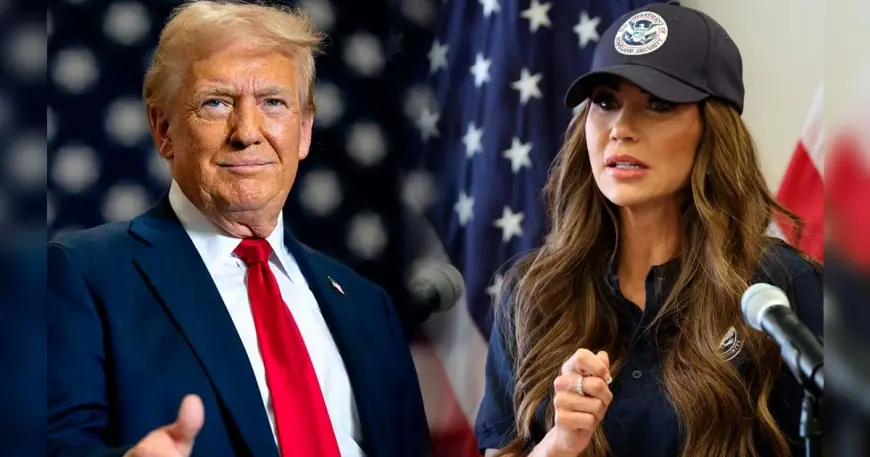
Pressure is intensifying on Homeland Security Secretary Kristi Noem after two fatal shootings in Minnesota involving federal immigration agents triggered bipartisan outrage, fresh demands for her resignation, and renewed impeachment talk in the House. The controversy has also pulled senior White House adviser Stephen Miller into the blast zone, turning what began as a law-enforcement crisis into a wider political test of the administration’s immigration strategy and its tolerance for public blowback.
The flashpoint is the January 24, 2026 killing of Alex Pretti, a U.S. citizen described by family members as an ICU nurse, during a confrontation tied to federal immigration operations in Minneapolis. The incident came just weeks after another fatal shooting on January 7, 2026 involving Renée Nicole Good, also a U.S. citizen, during a separate encounter with federal immigration personnel in the same city.
What happened: Noem, Miller, and the fight over the narrative
At the center of the storm is not only what happened on the street, but how the administration described it afterward.
After Pretti’s death, early official statements painted him as a grave threat to agents. Video that circulated afterward raised questions about that portrayal, including whether he was filming with a phone in the moments before shots were fired and whether he was already disarmed during part of the encounter. A subsequent government report to Congress confirmed that two federal agents fired their weapons, while leaving key questions unresolved about immediate justification and adherence to use-of-force protocol.
Stephen Miller, a top White House figure shaping immigration messaging, has since acknowledged publicly that agents involved in the Pretti incident may not have followed protocol, a notable shift that implicitly concedes the initial storyline may have been overstated. That adjustment has not cooled the political fallout. Instead, it has widened the circle of accountability from field agents to the senior officials who framed the episode for the public.
Thom Tillis and John Fetterman converge: different parties, same demand
Two senators now symbolize how unusual this moment is.
Republican Sen. Thom Tillis has said flatly that he has no confidence in Noem and that she should go. His criticism goes beyond the shootings themselves, describing broader concerns about competence and decision-making at the department.
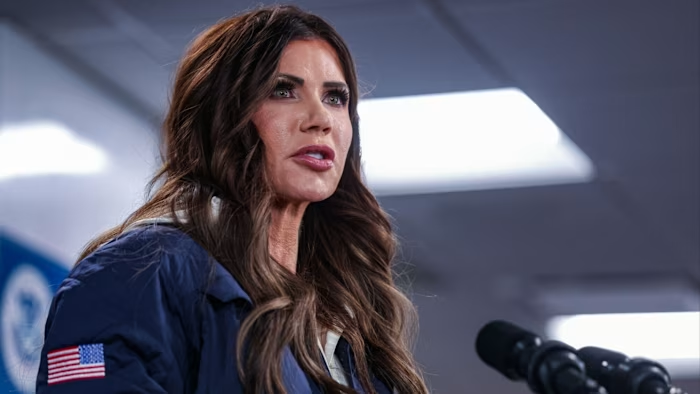
Democratic Sen. John Fetterman has also urged President Donald Trump to fire Noem, arguing that Americans have died and that leadership at Homeland Security has failed. That alignment does not reflect shared ideology so much as shared political incentives: both are signaling that they will not absorb the costs of a crisis they did not create.
For Noem, the danger is that the coalition against her does not need to be large to be damaging. It only needs to be loud, credible, and persistent enough to force hearings, stall priorities, and keep the story alive.
Behind the headline: incentives, stakeholders, and why this blew up now
This is an immigration story, but it is also a governance story about credibility.
Context: The administration has pushed an aggressive enforcement posture, betting that visible action satisfies its political base and deters unlawful crossings and overstays. That strategy assumes operational discipline and message discipline. Minnesota has become the case study of what happens when the optics turn against the operators.
Incentives:
-
The White House wants to protect the broader immigration agenda from being defined by shootings of U.S. citizens.
-
Noem needs to defend her department while avoiding statements that conflict with emerging video and investigative findings.
-
Miller needs to preserve the policy push while limiting reputational damage from inflammatory claims.
-
Lawmakers want answers, but many also want leverage in upcoming negotiations over funding and oversight.
Stakeholders:
-
Families of the deceased and local communities affected by raids and protests
-
Federal agents and unions worried about prosecutions, discipline, and morale
-
The administration’s political coalition, which benefits from a tough posture but is vulnerable to perceived overreach
-
Congress, which controls funding and can escalate oversight quickly
Second-order effects:
-
A leadership fight at Homeland Security can spill into disaster readiness, border staffing, and interagency coordination.
-
It can harden public resistance to enforcement operations, increasing protests and operational risk.
-
It can complicate negotiations that require trust between Congress and the department, including appropriations and authorities.
What we still don’t know: the missing pieces that will decide Noem’s fate
Several facts remain unsettled or contested, and each one matters because it changes the legal and political framing:
-
Whether Pretti posed an immediate threat at the moment shots were fired
-
Whether commands were issued clearly and whether de-escalation was attempted
-
Whether agents followed internal protocol and training in a crowd environment
-
Why early descriptions sounded more definitive than later acknowledgments
-
How closely senior officials reviewed claims before repeating them publicly
The administration’s credibility problem grows when official accounts evolve after video appears. Even if investigators ultimately justify the shootings, shifting narratives can still be politically fatal.
What happens next: realistic scenarios and triggers
Here are the most likely paths forward, with the triggers that would push each one:
-
Noem stays, but loses operational control to a high-profile overseer
Trigger: the White House wants stability without owning the full controversy. -
Congressional hearings accelerate, forcing sworn testimony and document demands
Trigger: additional video, whistleblowers, or contradictions in official statements. -
A formal removal push gains traction if more Republicans publicly defect
Trigger: polling backlash in swing states or a third high-profile incident. -
Impeachment talk escalates but stalls short of conviction
Trigger: House leaders decide the political value outweighs the low odds of success. -
Messaging is tightened, with fewer public claims until investigations conclude
Trigger: internal recognition that the narrative, not just the incident, is driving damage.
As this plays out, the central question is simple: will this be treated as an operational failure that needs correction, or a leadership failure that requires a scalp. For now, the fact that Tillis and Fetterman are both demanding action suggests the story is no longer just about what happened in Minneapolis, but about whether the country can trust what it is told afterward.