























California Joins WHO Weekly Call to Enhance Health Strategy: NPR

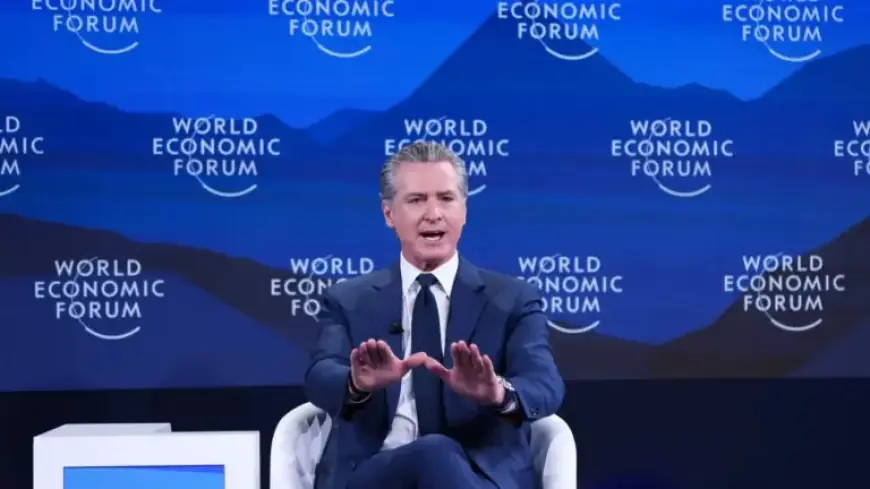
California is stepping up its public health strategy by joining the World Health Organization’s weekly calls focused on global health emergencies. This move comes as the U.S. federal government opts out of WHO participation, particularly following its withdrawal from the organization during the Trump Administration.
California’s Involvement in GOARN
Under the leadership of Governor Gavin Newsom, California has become the first state to join the Global Outbreak Alert & Response Network (GOARN). This network is a vital component of WHO, facilitating cooperation among various entities to address infectious disease outbreaks and health crises.
- Director of California Department of Public Health: Dr. Erica Pan is actively participating in these initiatives.
- Other States: Illinois is reportedly preparing to follow California’s lead and join GOARN.
The Impact of Federal Withdrawal
Governor Newsom criticized the federal government’s decision to withdraw from WHO, asserting that it threatens the health of Californians and Americans as a whole. According to Dr. Gavin Yamey from Duke University, states are increasingly taking action to maintain their involvement in global health initiatives due to the federal government’s lack of commitment in this area.
This participation allows California to access crucial health information, enhancing its ability to respond effectively to emerging health threats.
Functionality of GOARN
GOARN comprises over 350 organizations, including government representatives, non-profits, and academic institutions. This collaborative network enables members to:
- Participate in weekly discussions regarding global health
- Receive regular updates on outbreaks
- Utilize the WHO Epidemic Intelligence from Open Sources platform for real-time health event monitoring
By engaging with GOARN, California aims to improve its preparedness and response strategies during public health emergencies. Dr. Pan emphasized the importance of this network in anticipating threats earlier, especially given the perceived decline in federal health guidance.
Challenges Ahead
The U.S. has decided to forge its own path in global health, opting for bilateral agreements rather than multilateral collaboration via WHO. While some experts support this direction, there are concerns about the fragmentation that could arise between states opting into WHO-associated structures and those that do not.
With uncertainties surrounding California’s role in GOARN, the potential for unequal access to crucial health information may create disparities among states. Nevertheless, California seeks to lead by example and provide guidance, particularly during public health crises.
Future Outlook
As states like California redefine their roles in global health initiatives, the outcome of this shift remains to be seen. Participation in platforms like GOARN may shape the future of public health strategies across the nation.