



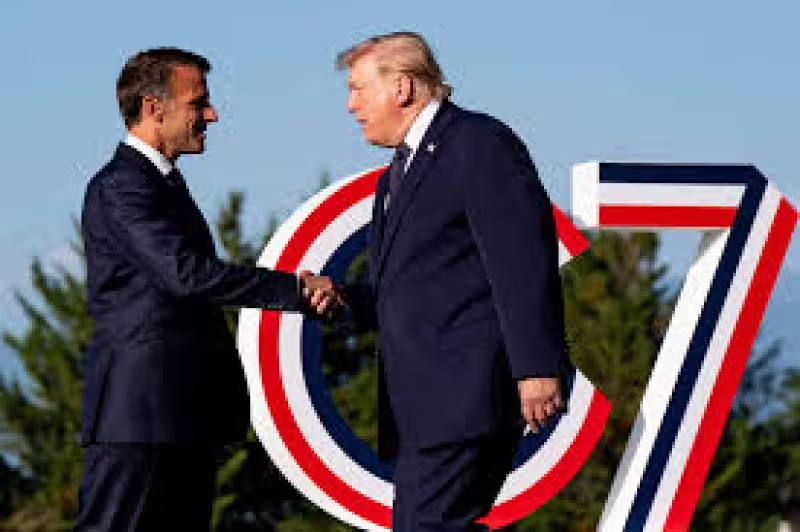
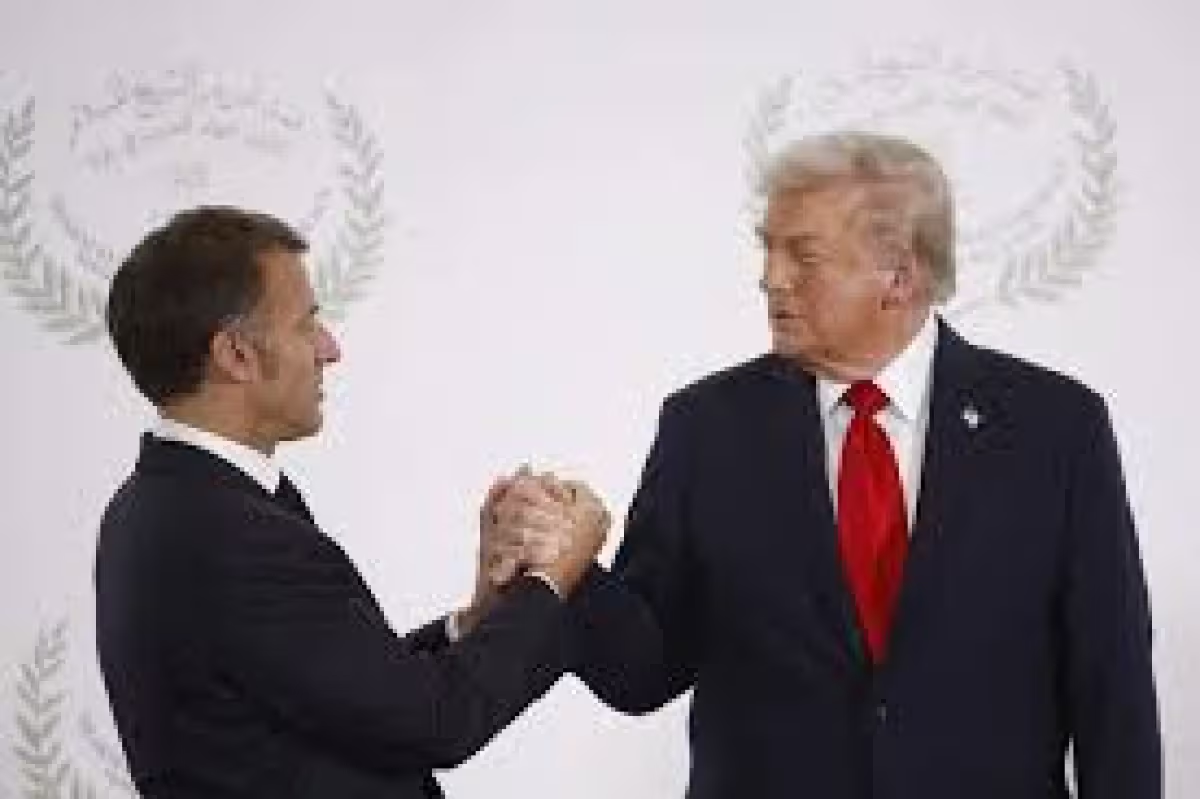
Bret Baier reported that President Trump used a global summit in France to present a new peace deal with Iran that includes a two-step verification process for the country's nuclear program.
The president told reporters the agreement is superior to the earlier Obama-era deal, and the report highlighted the mechanics of verification that would follow should Tehran accept the terms. Peter Doocy, reporting from Geneva, laid out the two-step verification framework for viewers — a procedural sequence meant to test compliance and then confirm it — and said officials described specifics of how inspectors would move from assessment to formal verification.

The concrete element at the center of the report is the two-step verification process. That procedural label is the clearest change on the table: an initial phase of inspections and monitoring followed by a formal verification step before sanctions relief or other reciprocal measures would be enacted. The inclusion of that mechanism is what administration officials framed as an improvement over the previous arrangement negotiated under the Obama administration.
Contextually, the summit in France provided the platform for this announcement. The gathering, presented as a global summit involving President Trump, served as the backdrop for laying out an international approach to Iran’s nuclear activities rather than a bilateral one. The report appeared in 2026, placing the discussion in the current diplomatic calendar and signaling an early-stage effort to marshal allied support for the proposed verification sequence.
Even as the president and reporters emphasized the verification architecture and the claim that the deal is an upgrade from the Obama-era agreement, the report flagged unanswered questions. Officials described the two-step process in broad terms, but details about who would carry out inspections, which triggers would move the process from step one to step two, and what legal obligations would bind Tehran remain vague in the coverage. The report therefore presents a clearer architecture without filling in several operational gaps that determine whether the mechanism is enforceable.
Those gaps matter because verification is not only technical; it is political. A two-step model can be robust on paper but still falter if partners disagree over evidence thresholds, if timelines permit circumvention, or if enforcement relies on political will rather than binding commitments. The report’s insistence that the deal is “better” than the Obama-era pact rests on the presence of the verification sequence; it does not yet supply the specifics that would let diplomats, lawmakers or inspectors assess the deal’s actual durability.
What remains most consequential is not rhetorical: it is precise wording and institutional responsibility. The single most important unanswered question is which verification measures will be legally enforceable, which actors will be empowered to inspect and verify, and what penalties or reversals are triggered by noncompliance. The coverage notes the two-step idea and records the president’s comparison to the prior deal, but it leaves unclear the technical triggers and legal commitments that turn a verification framework into a functioning deterrent.
The report does not confirm what diplomatic steps come next. Negotiators will have to convert the two-step concept into binding language, settle which international or mixed bodies carry out verification, and win partner buy-in — tasks the coverage identifies but does not chronicle as complete. Until those items are resolved, the deal announced at the summit will remain a framework rather than a fully operational accord.



