



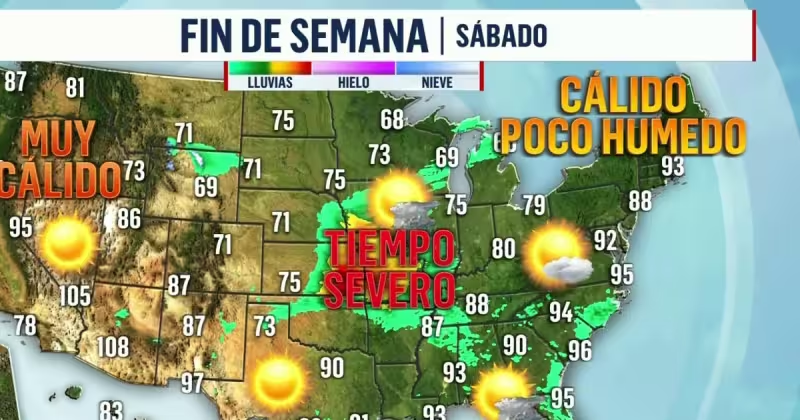
Los Ángeles is forecast to be warmer than normal during the afternoon of Team USA's first match at the World Cup, even as storms in Philadelphia threaten to delay Ecuador's debut, a weather bulletin published Jun. 12 reported.
The forecast ties local conditions directly to the schedule: the Los Ángeles anomaly is timed to the afternoon when Team USA takes the field, while the Philadelphia outlook flags convective activity that could force delays for Ecuador's opener.

Put plainly, the two host-city forecasts answer the two most immediate questions for fans and teams: Los Ángeles is expected to run hotter than its seasonal norm at kickoff, and Philadelphia faces a storm risk that could interrupt play. The bulletin does not quantify temperatures or the intensity of the storms; it links each city’s expected conditions to the specific match windows rather than offering minute-by-minute projections.
For match organizers, broadcasters, and supporters, the practical consequence is simple: game-day plans may need to account for heat in Los Ángeles and disruptive weather in Philadelphia. Hotter-than-normal afternoons change the conditions on the pitch — from player recovery to substitution timing — while storm threats raise the possibility of temporary stoppages or longer delays for a match that involves Ecuador.


The friction is notable because the two situations pull in opposite directions. One host city looks toward above-normal heat that could stress players and spectators, while another faces precipitation that could halt play altogether. That contrast matters on the opening day schedule: an afternoon match under warm skies will feel very different from one interrupted by storm delays, and tournament operations must be ready for both outcomes on short notice.
Context: the forecasts were published on Jun. 12 ahead of the World Cup matches scheduled in United States host cities. The Los Ángeles note uses the first Team USA match as its timing anchor; the Philadelphia advisory is framed around Ecuador's scheduled debut in that city. Neither forecast supplies the specific heat index values, storm tracks, or probability thresholds that would allow precise operational decisions.
That lack of specifics is the central unresolved issue. The single most consequential unanswered question ahead of these openers is whether match officials or venue operators will alter kickoff times, implement additional heat protocols, or delay a kickoff in Philadelphia if storms materialize. As of the Jun. 12 bulletin, no adjustment to match times or formal mitigation steps had been announced with respect to either the warmer conditions in Los Ángeles or the storm risk in Philadelphia.
Fans planning travel or outdoor viewing should prepare for warmer-than-normal conditions in Los Ángeles during the afternoon match and monitor local alerts for Philadelphia, where storms could force schedule changes. Tournament authorities will be the arbiters of any formal changes; the forecasts establish the conditions to watch, not the outcome of any operational decisions.



