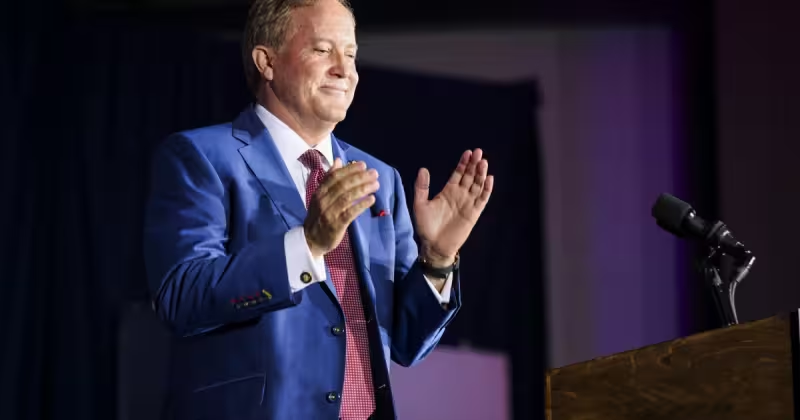
Texas Attorney General Ken Paxton opened an investigation into FIFA on Tuesday after his office received complaints that buyers of 2026 FIFA World Cup tickets were misled about the location and quality of the seats they purchased.
Paxton said the complaints arrived before World Cup matches were set to begin in Texas and that his office will determine whether FIFA violated the Texas Deceptive Trade Practices Act. "I will work to ensure that FIFA is engaging in ethical and honest business practices so that Texas fans are treated fairly," he said.

The stakes are high: tickets for the 2026 tournament are selling for thousands of dollars, and under FIFA’s dynamic pricing model some seats for the July 19 championship match in New Jersey are selling for more than $10,000. Arlington and Houston are scheduled to host their first World Cup matches on Sunday, putting the probe on a tight public timetable.
At issue is what fans describe as a world cup seat relocation issue: complaints allege FIFA changed seating maps after some sales, moving purchasers out of the premium Category 1 sections they thought they had bought and into areas with poorer sightlines. Paxton’s office framed the investigation around whether those changes amount to deceptive or unfair practices under state law.



Fans filing complaints say they paid for Category 1 tickets expecting a premium view of the field. The complaints allege that, after sales, those Category 1 assignments were shifted into sections with less desirable sightlines. The public record supplied with the opening of the probe does not specify how many fans complained or which exact seats were changed.
That gap — how many purchases were affected and the precise nature of any seating-map revisions — is central to the case. The attorney general can open an inquiry, but proving a violation under the Texas Deceptive Trade Practices Act typically requires evidence that consumers were misled about a material aspect of the sale. Paxton’s office has not released details about the evidence it already has, nor about the investigative steps it will take.
A FIFA spokesperson did not immediately respond to a request for comment on Tuesday. Paxton added that sports have a unique power to bring people together and said FIFA must understand Texans take their competition and consumer rights seriously, signaling the office may press for quick answers given the tournament’s schedule.
The legal question now is narrow and specific: did FIFA’s ticketing and any post-sale seating changes amount to deceptive business practices under Texas law? The investigation opened Tuesday sets that inquiry in motion; whether it yields findings that could require refunds, seat changes, or other remedies will depend on evidence the attorney general develops.
For Texas ticket buyers who paid top prices for Category 1 seats, the most immediate concern is clarity. Paxton’s action makes clear his office will investigate the complaints, but it leaves open the scope of the problem and what relief, if any, might follow. The central unresolved question is whether the probe will turn up sufficient proof that FIFA misled consumers and thereby violated the Texas Deceptive Trade Practices Act.