



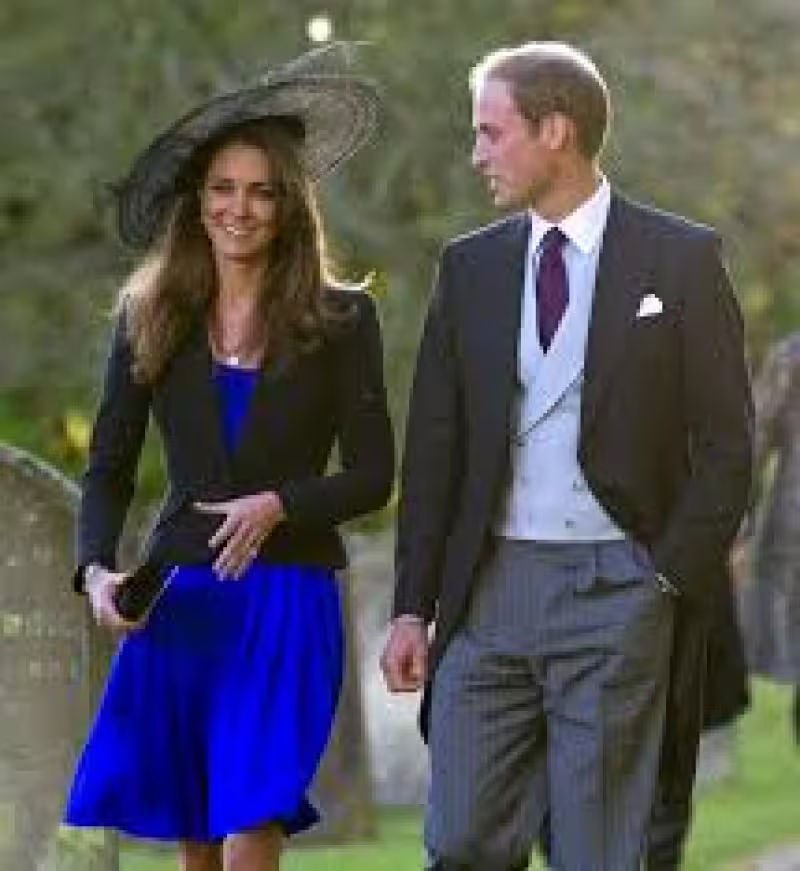
“Peter and Harry haven’t spoken for several years and have simply lost touch,” a friend of Peter Phillips and his fiancée Harriet Sperling told Hello! magazine, offering the clearest explanation yet for why Prince Harry, Duke of Sussex, will not attend the high-profile family wedding. The remark landed as organisers finalised the guest list and as multiple insiders described the choice to leave Harry off the invitations as deliberate rather than accidental.
At the core of the announcement is a plain fact: Prince Harry was not invited to Peter Phillips’s wedding. That exclusion has become the defining detail of a story that, for the royal family, is about far more than who sits at which table; it’s about how the presence of one brother was weighed against the presence of another.

A royal insider put the calculation bluntly: "There was never going to be a scenario where William and Harry spent the day together." Another insider framed the contest in sharper terms: "William was always going to win." Those comments echo a palace source who described the split between the two brothers in institutional language: "One brother is the future of the institution" and "The other walked away from it."
Public confirmation came in May 2026 when broadcaster Mark Dolan said in an interview that Harry and Meghan would not be invited, adding: "It’s a royal snub; it’s the royal wedding of the year, and it is Princess Anne’s son, Peter … and the bottom line is that Harry has not been invited" and that he was "banned" from the event. The tone of that language underlines how intentional the exclusion was judged to be by people close to planning discussions.
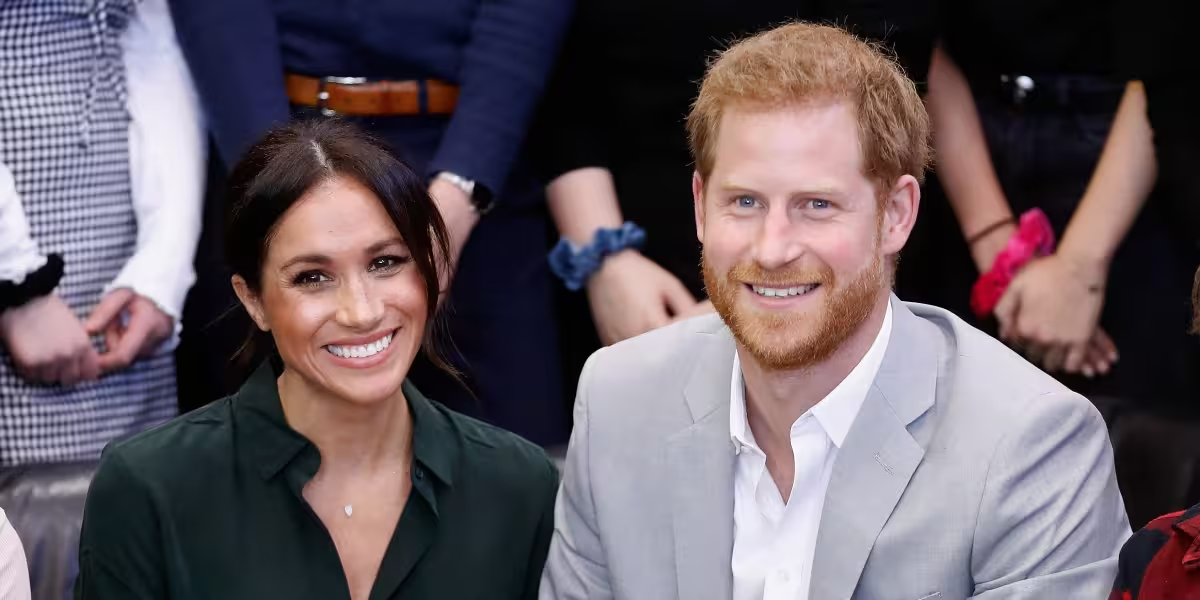
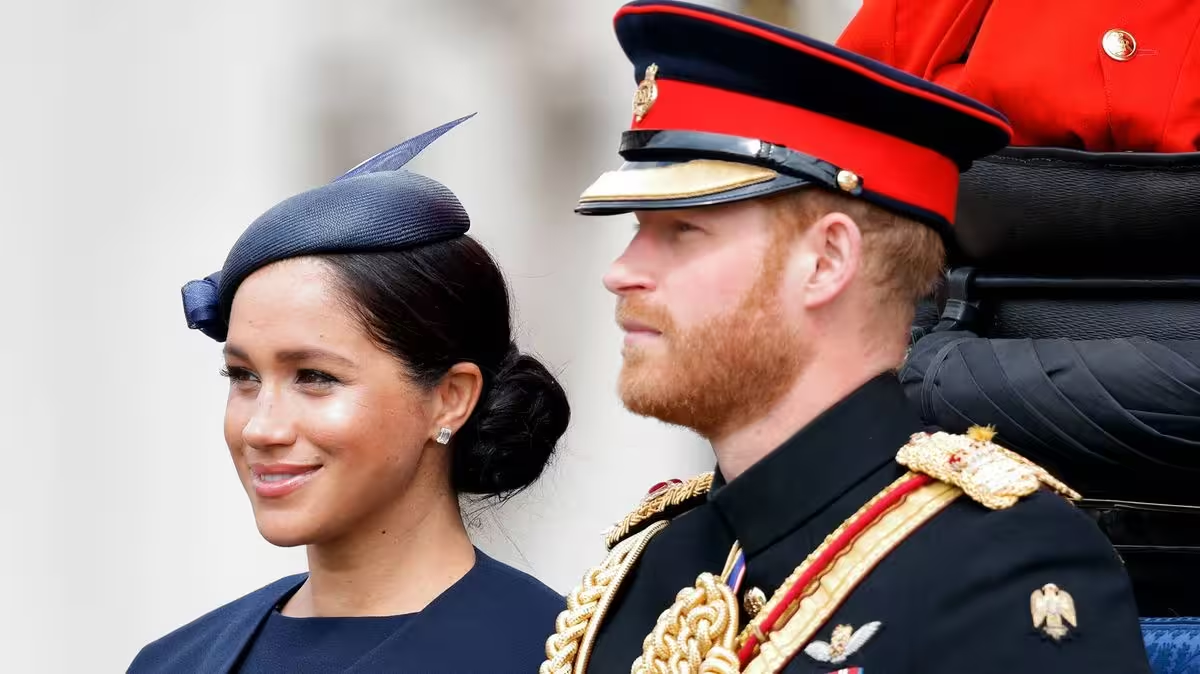
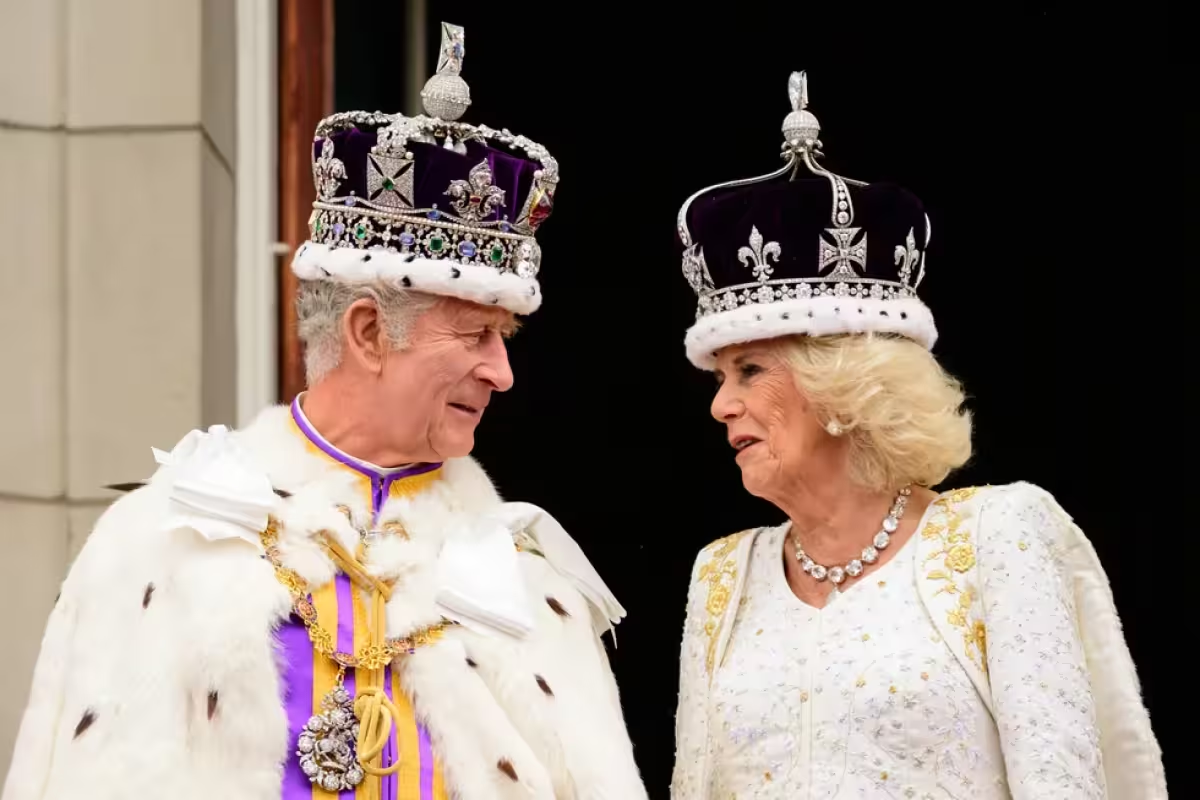
Not every source describes the decision as a maneuver to keep two brothers apart. Royal commentator Emily Nash told Page Six that Peter "hadn’t spoken to Harry for the last few years" and that "it sort of has been a natural cooling off and he wasn’t invited as a result." Nash added that "it would have put a completely different slant on the whole event" had both Wales brothers been there, highlighting how a single attendance could have reframed the wedding’s public meaning.
Context sharpens the stakes. Peter Phillips is Princess Anne’s son; his wedding is one of the few forthcoming ceremonies that will draw large numbers of royals of marriageable age. Coverage of the guest list has therefore taken on outsized significance, with sources repeatedly linking the exclusion to the wider rift between Prince William and Harry. Reporting also notes that Harry does not live in the UK and had not remained close to his cousin, a fact that allies cite as explanation and critics see as convenient cover for a decision shaped by dynastic concern.
The friction in the accounts is real. One insider described the calculus as straightforward — that keeping William happy would let the event go ahead without a problem — and another put it in more personal terms: "William isn’t interested in sharing a room, a table, or a photo opportunity with Harry." Those statements square with the friend’s view that Peter and Harry simply lost touch, but they point in a different direction as well: that the guest list was, at least in part, arranged to avoid a public confrontation between the Wales brothers at a major family gathering.
The unresolved question is concrete and narrow: whether Harry was told directly by Peter or the wedding organisers that he would be excluded. Sources say the brothers had not spoken for several years and that a decision was made to keep them apart, but no source has explained whether the omission came after a private conversation or without one. That gap matters because how the exclusion was handled will shape whether this is another episode in a long estrangement or a deliberate public partition of family life.
The next milestone is the wedding itself. When Peter Phillips and Harriet Sperling marry, the guest list and the faces in the crowd will answer some questions and leave others intact. For now, multiple voices inside and outside the royal circle agree on the headline: Prince Harry was not invited, and the choice was informed by both a cooling of private ties and a determination among insiders that William’s presence should not be complicated by his brother’s.



