



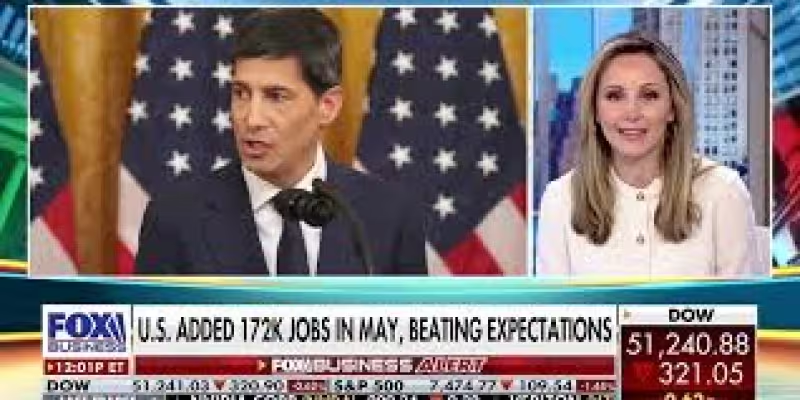
The May jobs report showed the U.S. economy added 172,000 jobs and the unemployment rate remained at 4.3%, a reading market participants parsed for signs of momentum and risk to monetary policy.
Markets reacted sharply: stocks tumbled and bond yields rose after the release, with traders treating the headline payroll gain as evidence the labor market is strong enough to keep Federal Reserve rate-hike speculation alive.

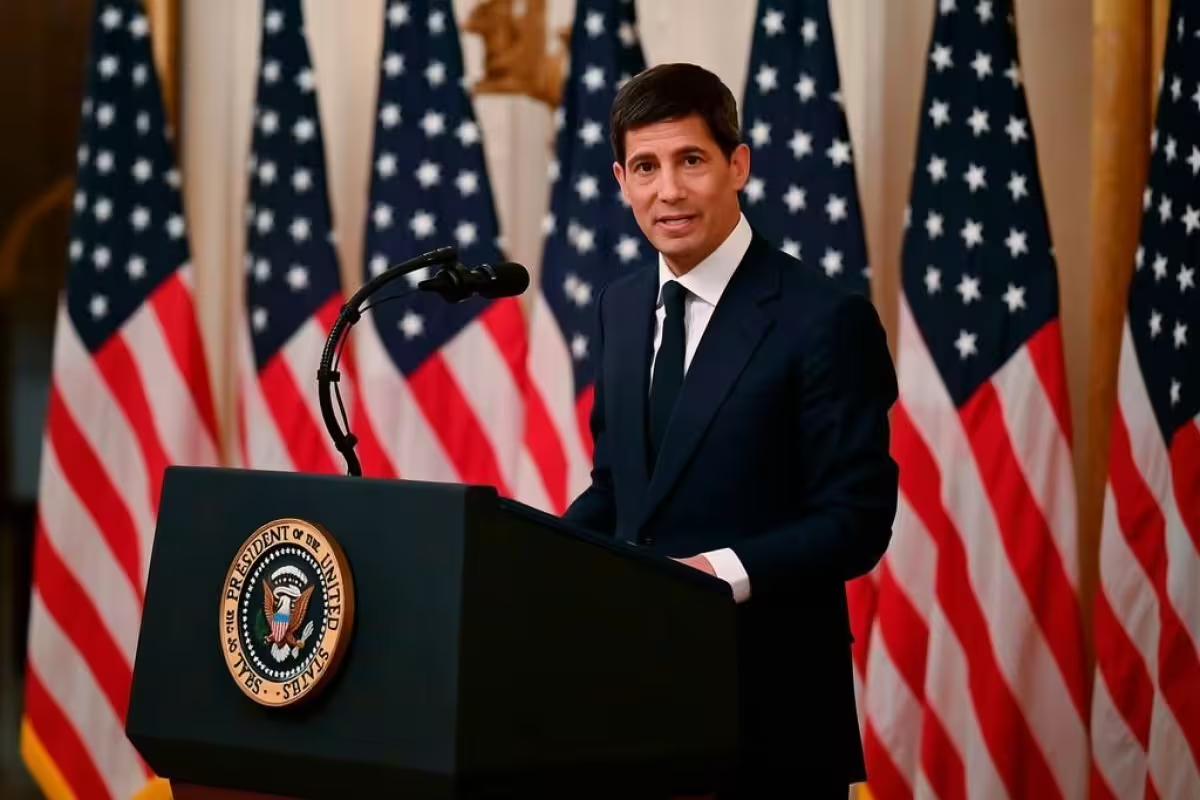
The report landed at the center of a business-news panel on the Big Money Show on Fox Business, where commentators discussed the immediate market moves, the implications for Fed Chair Kevin Warsh and how new developments in Iran factored into investor sentiment.
That reaction gives the numbers weight. A 172,000 payroll increase is a clear, dated snapshot of hiring in May; the 4.3% unemployment rate frames it as a labor market that is not loosening, and both served as the trigger for the sell-off and the rise in borrowing costs.

Context matters: the segment tied the jobs figures into a broader view of the economy and the stock market, noting that the same data set—which was also used to prompt conversations about wage growth and the wider outlook—feeds directly into expectations for Fed policy and corporate earnings trajectories.
The discussion did not settle every question. Panelists flagged wage growth and the broader economic outlook as key drivers that remain underexamined in the headline figures; how wages move in coming releases will determine whether this payroll gain points to sustained inflationary pressure or a softer path ahead.
That gap in the public record is the source of tension. The jobs report is being described as a positive labor-market result even as it intensifies speculation that the Federal Reserve could respond by raising rates further—an environment that has pushed yields up and knocked down equity prices despite the economic strength the payroll numbers imply.
Investors, then, are left to balance two facts at once: the labor market appears robust enough to sustain hiring, and markets are pricing that robustness into faster or longer periods of monetary tightening. The Big Money Show panel also wove in geopolitical news—including market reaction to new Iran developments—and pointed viewers to other global shifts, from energy to supply chains, that feed into investor calculations; coverage of Guyana's rising oil output is one example of that wider context (
The immediate next development to watch is not a calendar date but the Fed signal: rate-hike speculation is the confirmed follow-on in this sequence, and markets will now look for Fed commentary and the next set of labor and inflation numbers to resolve whether May was a one-off or the start of a trend that keeps rates higher for longer.



