



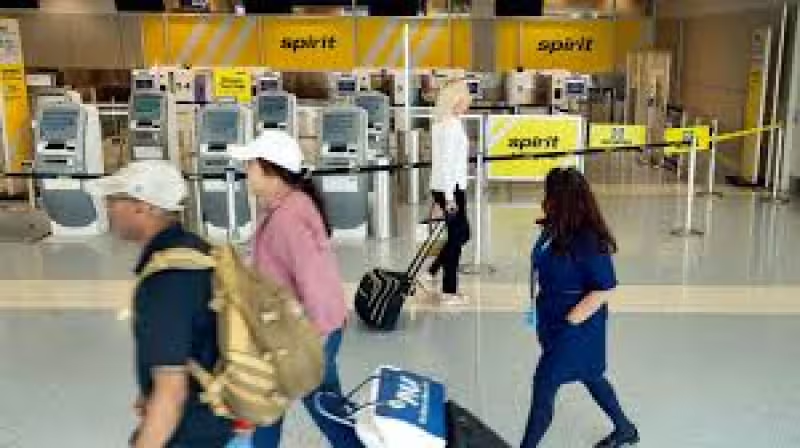
Spirit Airlines collapsed overnight, stranding budget-conscious families just weeks before Memorial Day and ending one of the country’s best-known ultra-low-cost carriers almost without warning. The airline announced on May 2, 2026, that it would cease operations effective immediately, after a sudden run of financial and fuel-market pressure left no practical path forward.
In bankruptcy court, Marshall Huebner apologized to Americans who may now be priced entirely out of air travel. “We apologize most specifically to those Americans who may now be priced entirely out of” flying, he said, adding that many “could not otherwise have afforded air travel.” Huebner said Spirit had “no remaining way out” after the surge in jet fuel prices, a blow that came after conflict involving Iran disrupted Middle East oil shipments about 11 weeks ago.

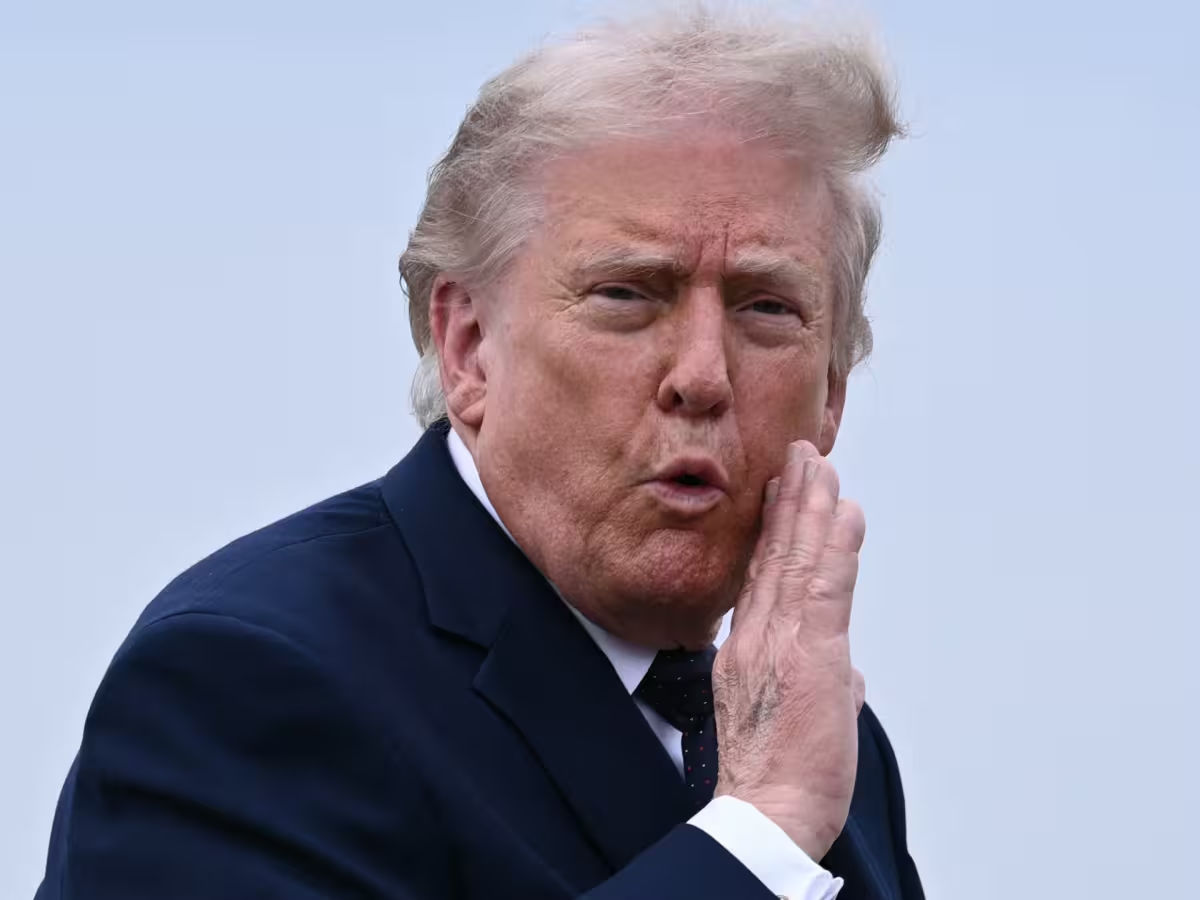
The collapse matters now because it lands just before the Memorial Day travel rush, when families are already booking trips and comparing fares. Spirit had been seeking a $500 million lifeline from the federal government, but the bailout from President Donald Trump did not materialize. Last weekend, the company ceased operations while it sought permission to sell assets on an ongoing basis and pay bonuses to remaining employees, a sign that the airline was trying to manage the wreckage even as the business itself shut down.
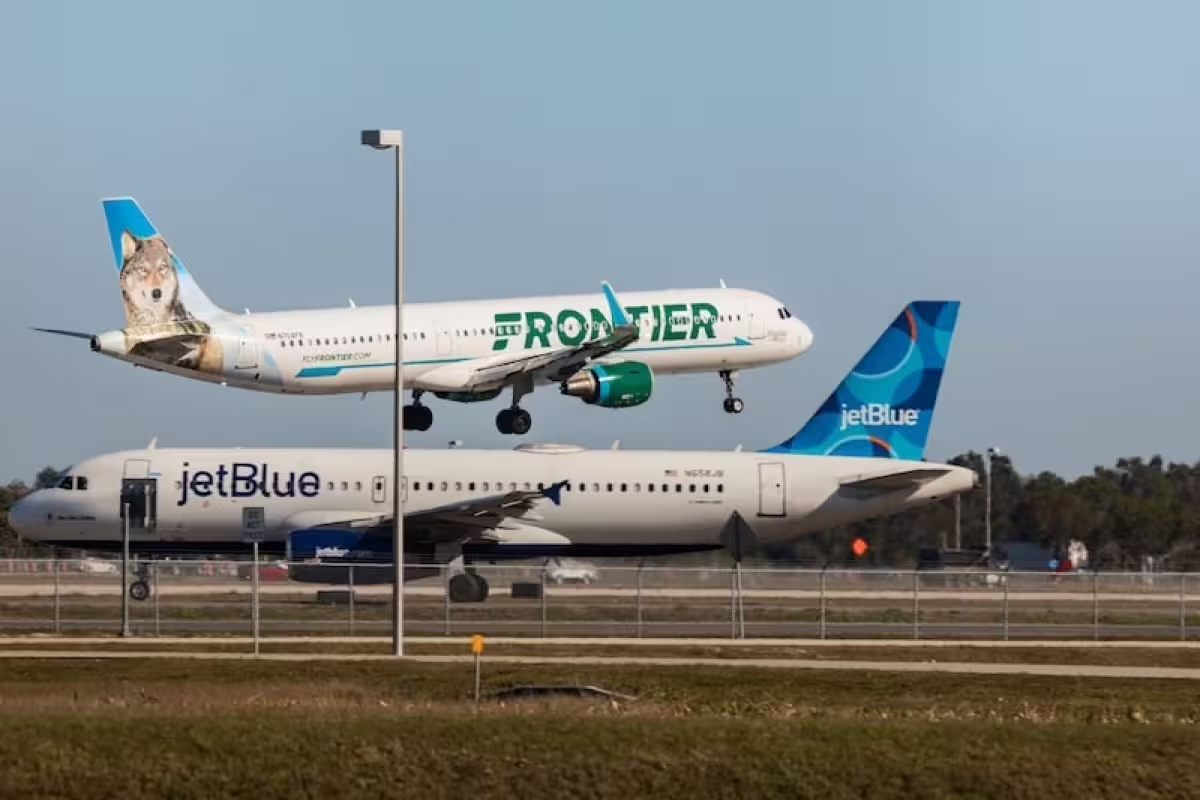
Spirit’s downfall was years in the making, but the fuel shock accelerated it. Budget airlines are especially exposed when costs spike because they cannot easily cushion the blow with premium cabins, corporate travel contracts or loyalty rewards. When oil market volatility began, the Association of Value Airlines asked the Trump administration for $2.5 billion in temporary aid, arguing that its members needed help to get through the period of extreme price pressure.
The response from the trade group representing American Airlines, Delta, JetBlue, Southwest and Alaska Airlines was blunt. It rejected government intervention for value airlines, saying it would punish carriers that had already made tough choices to deal with higher costs and reward those that had not. The group also warned that propping up airlines that cannot earn their cost of capital hurts competition and consumers by making it harder for other airlines to compete.
For travelers, the immediate result is simple: one more low-fare option is gone, and the remaining choices may be more expensive. For Spirit, the answer is starker still. The airline did not just run into a bad market; it ran out of time, cash and a rescue that never arrived.



