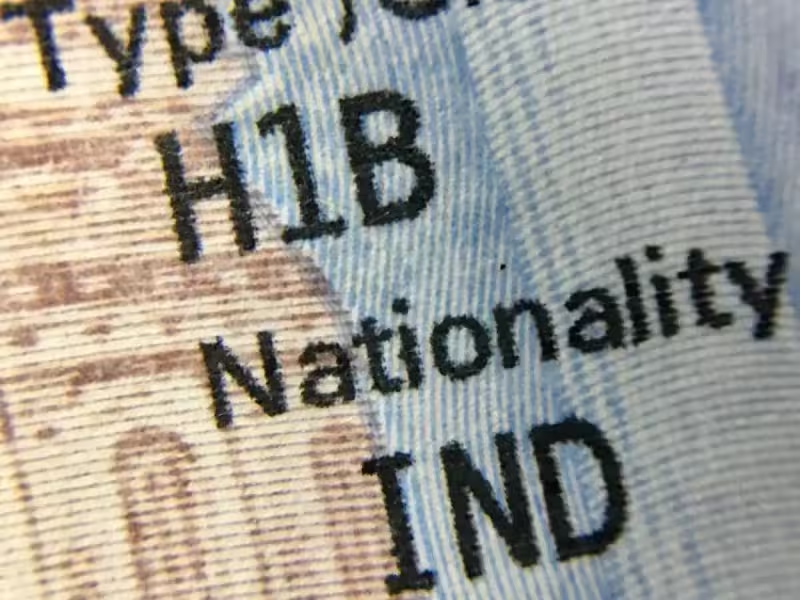
Uscis said properly submitted H-1B registrations for fiscal year 2027 fell to 211,600 from 343,981 in fiscal year 2026, a drop of 38.5 percent that the agency pointed to as evidence its tougher screening and fee changes were working. On Thursday, the agency posted on X that the data showed the program was better serving its intended purpose.
The shift matters because the H-1B program sits at the center of a long-running immigration fight over whether employers use it to fill highly skilled jobs or to secure cheaper labor. The Trump administration answered that criticism with stricter wage rules and a steeper fee for new applications, saying the changes were meant to root out systemic abuse.


Uscis also said 71.5 percent of selected immigrants held U.S. master's degrees or higher, up from 57 percent the year before, while 17.7 percent of all approvals were in the lowest-wage category. In its post, the agency said the data was a clear sign that the days of abusing the program with mass, low-wage registrations were over and that the program was serving its intended purpose of attracting highly skilled foreign workers and protecting the wages, working conditions and job opportunities of American workers.
That is the heart of the change: fewer registrations overall, and a bigger share of selections going to higher-educated workers. Connor O'Brien said the new H-1B weighted lottery had modestly shifted visas toward higher-skilled applicants, but he argued the government could do much more. He said replacing the lottery with a salary-based ranking would raise the average salary of new H-1B workers, better select for top talent, and protect American workers from lower-wage competition. He also said such a system would increase federal tax revenue over time and urged congressional Republicans to add an H-1B salary ranking provision to their reconciliation package.
Mark Krikorian said the changes were all good, while the numbers suggest the administration has already moved the program away from the broad, low-wage registration pools that drew the loudest criticism. The next test is whether lawmakers keep pushing in that direction or leave the current system in place after the data show it is already shifting the field.