



















Expert Claims Trump’s Military Strategy Stabilizes Markets Amid Iran Tensions

Recent developments in U.S.-Iran relations have brought significant military and economic implications. President Donald Trump’s fluctuating approach includes threats against Iran and claims of ongoing negotiations. This has led to uncertainty on Wall Street regarding the duration of current tensions.
Increased Military Presence in the Middle East
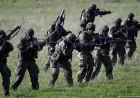
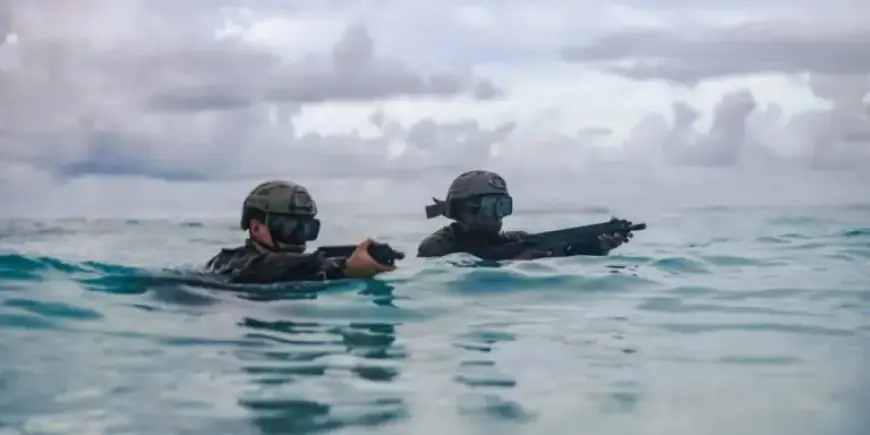
To reinforce its position, Trump is deploying additional troops and warships to the region. The USS George H. W. Bush aircraft carrier joins the USS Gerald Ford, which is set to return after repairs. This military escalation includes:
- Deployment of several thousand ground troops.
- 11th Marine Expeditionary Unit and paratroopers from the 82nd Airborne Division on their way to the region.
- The presence of the 31st Marine Expeditionary Unit already stationed in the Middle East.
According to Firas Maksad, managing director at Eurasia Group, a crucial juncture will arrive by mid-April when these military assets will be fully deployed. The urgency derives from Trump’s stated timeline for action lasting two to three weeks.
Iran’s Military Capabilities and U.S. Strategies
Despite significant military losses, Iran still possesses sufficient capabilities to threaten the Strait of Hormuz. Recent events include the shooting down of U.S. F-15 and A-10 aircraft, resulting in the rescue of two crew members, while efforts are ongoing to secure a third. This situation heightens the stakes for U.S. military efforts.
Underlining the complexity of the situation, the administration aims to manage oil prices amid escalating tensions. The U.S. and Israel have weakened Iran’s military potential; however, Iran maintains the ability to retaliate, which could further escalate military actions. Markets have shown resilience recently, driven by hopes of a swift conclusion to hostilities.
Economic Implications of Military Actions
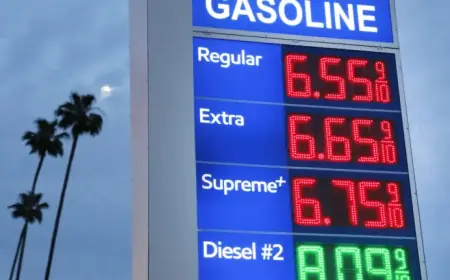
If the Strait of Hormuz remains closed for an extended period, global oil prices are expected to rise sharply. Many Asian countries, heavily reliant on energy from the Persian Gulf, have already begun rations. This shift indicates growing concerns about supply shortages amidst ongoing conflict.
According to Maksad, the administration appears to employ a strategic communication method in managing public perceptions and market responses. He emphasized the importance of following military deployments over statements made by the president. The goal remains to manage market stability while aiming to weaken Iran’s military options over time.