




![Florida Panthers Face Off Against [Team Name] on April 4, 2026](https://www.filmogaz.com/uploads/images/202604/image_430x256_69d2395a47e1f.webp)




















Rising Gas Prices Threaten SUV Popularity: What’s the Future?

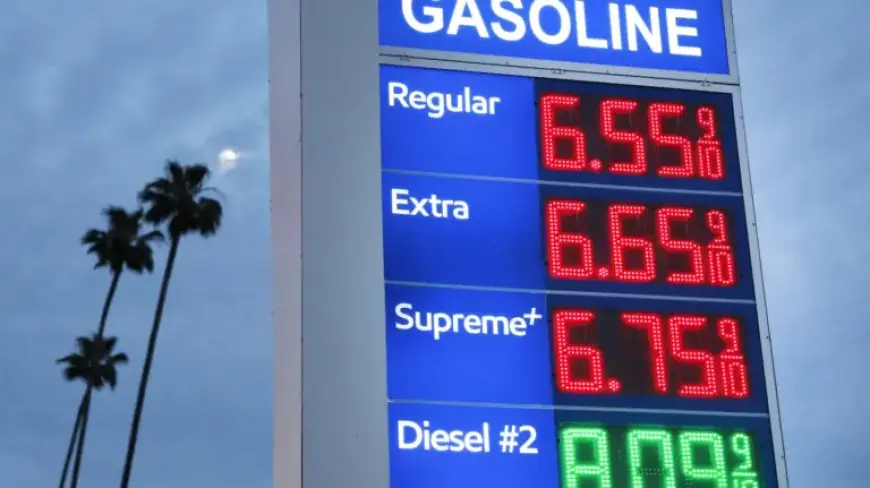
Rising gas prices are reshaping consumer preferences in the automotive market. With fuel costs surging, many Americans are reconsidering their vehicle choices. As a result, the popularity of SUVs may face significant challenges.
Overview of Current Fuel Economy Trends
The fuel economy of vehicles in the United States has improved markedly over the past few decades. The average fuel efficiency for 2024 reached a record high of 27.2 miles per gallon. California leads the nation with a remarkable average of 33.5 miles per gallon.
Impact of Rising Fuel Prices on SUV Popularity
As the cost of gasoline increases, consumers are likely to shift their preferences. SUVs currently dominate the market, accounting for over 60% of new vehicle registrations. However, this trend may change as drivers seek more fuel-efficient alternatives.
The Shift Away from Traditional Vehicles
- The introduction of the Jeep Cherokee in 1983 marked a significant shift in consumer preferences towards SUVs.
- Historically, younger drivers have moved away from the vehicles their parents drove, favoring minivans in the late 20th century and SUVs in the 2000s.
Potential Resurgence of Station Wagons
With changing dynamics in car buying culture, there is speculation about a revival of station wagons. These vehicles offer several advantages, including better handling and lower operating costs compared to SUVs.
Advantages of Station Wagons
- Improved fuel efficiency due to better aerodynamics.
- Lower center of gravity for enhanced driving experience.
- Capable of similar cargo capacities with easier loading due to lower load floors.
This emerging trend indicates a possibility for manufacturers to capitalize on consumer demand for more efficient and enjoyable driving experiences. As fuel prices remain high, consumer preferences may evolve, favoring station wagons over the traditional SUV.
Conclusion
As rising gas prices pose a threat to SUV popularity, the automotive industry may witness a shift towards more fuel-efficient vehicles, like station wagons. This change reflects a growing awareness among consumers prioritizing affordability and efficiency in their vehicle choices.