




















JBS Workers Resume at Colorado Plant After Agreement to Negotiate

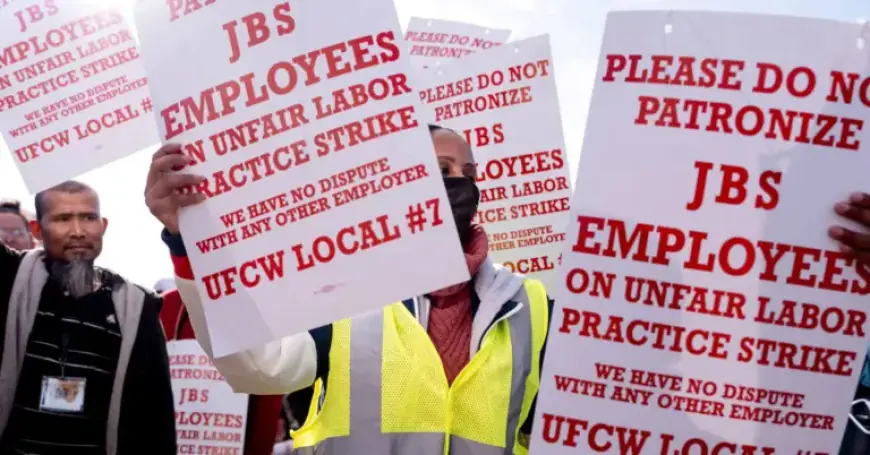
JBS, the largest meat company globally, has seen its workers return after an agreement was reached to resume negotiations. The decision follows a three-week strike at the Greeley, Colorado beef plant, which now comes to an end.
Strike Overview and Impact
The strike, initiated by approximately 3,800 workers from the United Food and Commercial Workers Local 7 union, aimed to address wage concerns amidst rising living costs. Workers demanded wages that align with inflation, as well as a halt to company charges for the replacement of protective equipment.
Union president Kim Cordova emphasized, “Workers remain united and will continue to fight until JBS fully ends its unfair labor practices.”
Economic Context
This year, beef prices peaked, coinciding with a significant decrease in the nation’s cattle supply, which hit a 75-year low. As a result, meatpackers like JBS faced unprecedented costs to source cattle, even while benefiting from the increased prices of beef.
Particularly, the strike affected U.S. processing capacity, especially as Tyson Foods had already reduced operations at some of its plants earlier this year. The timing of the strike highlights the ongoing challenges faced by the meatpacking industry in maintaining efficient operations.
Future Negotiations and Operations
Negotiations will resume on April 9 and 10, as stated by the union, aiming for a contract that ensures better working conditions and fair wages. A JBS spokesperson affirmed their commitment to welcoming employees back and ramping up plant operations promptly.
Key Dates and Figures
- Strike Duration: Three weeks
- Workers Involved: Approximately 3,800
- Sourcing Issues: Cattle supply at a 75-year low
- Negotiation Dates: April 9 and 10
The resolution of the strike at the Greeley plant marks a pivotal moment in labor relations within the meatpacking industry, signaling potential shifts in how workers negotiate for their needs and rights.