
























Steve Kroft Criticizes ’60 Minutes’ for Toxic, Cutthroat Workplace Environment

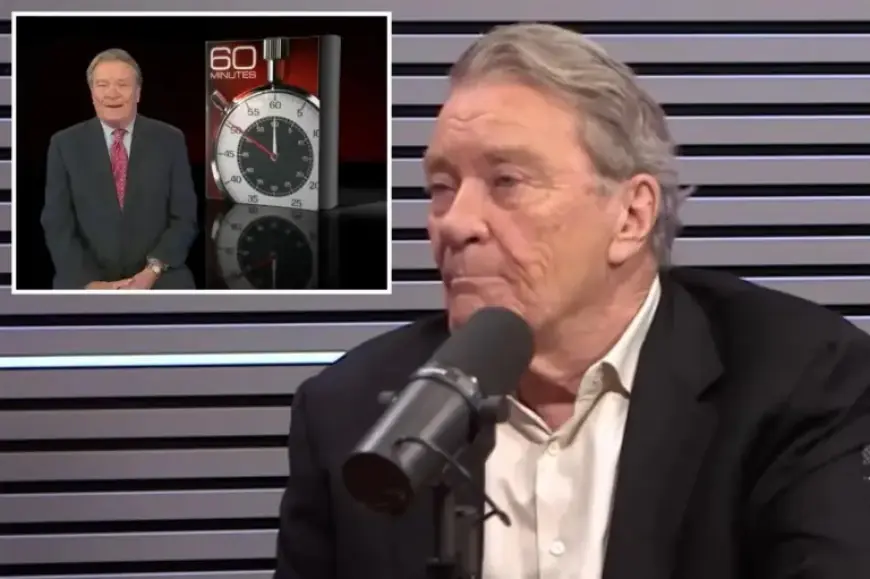
In a recent interview, Steve Kroft, a former correspondent for “60 Minutes,” criticized the show’s environment, labeling it a “snake pit.” This description reflects his negative experiences during his 30-year tenure at the prestigious CBS program.
Steve Kroft’s Experience at ’60 Minutes’
Kroft, now 80 years old, shared his thoughts on Bill O’Reilly’s podcast, expressing regret over his time at “60 Minutes.” He stated that if given the chance, he would likely decline to return to the show, saying, “I hated it.” His comments reveal a toxic workplace environment characterized by intense pressure and competition.
Relentless Workload and Culture
According to Kroft, the job involved a nonstop cycle of travel, writing, and screenings that took a toll on his well-being. He described the experience as an all-consuming grind that left little room for breaks. The consistent pressure led to a sense of misery, overshadowing the prestige of the role.
- No Civility: Kroft emphasized the absence of basic decency in the newsroom, where mistrust among colleagues prevailed.
- Cutthroat Competition: He recounted a warning from Dan Rather about the fierce competition that transformed coworkers into rivals.
- Paranoia: The aggressive environment fostered a feeling of constant suspicion, with colleagues wary of one another.
A Defining Interview
Kroft also reflected on a significant moment in his career—the 1992 interview with Bill and Hillary Clinton. This interview occurred during a turbulent period in the campaign, as allegations regarding Clinton’s relationship with Gennifer Flowers emerged.
Originally anticipated as a standard campaign discussion, Kroft’s opening question about Gennifer Flowers caught Clinton off guard. This moment led to intense scrutiny from both the Clinton camp and media, solidifying its role as a pivotal event in the race.
Future of ’60 Minutes’
After Kroft’s departure from “60 Minutes” in 2019, CBS News is reportedly planning significant changes to the program. Bari Weiss, the newly appointed editor-in-chief, aims to reshape the show’s direction following recent corporate shifts, including the Paramount-Skydance merger.
The anticipated transformations are expected to create internal tensions, as the newsroom navigates potential layoffs and a new editorial vision that appeals to younger audiences. The situation reflects broader changes within CBS News and highlights the ongoing evolution of “60 Minutes.”