
























“New Food Line Divides City’s Gentrified Grocery Scene”

In 2023, a decision by Woolworths to convert its Alexandria supermarket into a Metro outlet sparked significant backlash among local residents in inner Sydney. The shift reflects a broader trend impacting grocery shopping in both Sydney and Melbourne, which is led by changes in store formats and escalating grocery costs. Woolworths Metro stores differ markedly from traditional supermarkets, prioritizing convenience and quick access over extensive selection.
Community Response to Woolworths Metro in Alexandria
When the announcement was made, members of the Alexandria Resident Action Group expressed their outrage. Prominent figures like Lord Mayor Clover Moore reached out to Woolworths’ management, urging reconsideration of the conversion. During a town hall meeting in September, Justin Nolan, head of Metro stores, effectively acknowledged the lack of prior communication with the community. Despite the protests, the transformation proceeded, and Alexandria now features a Metro store with packaged foods and fewer in-store services.
Changing Grocery Shopping Dynamics in Australia
Australians spend over $150 billion annually on groceries, highlighting the grocery shopping’s significance in daily life. This consumer behavior influences crucial decisions, such as housing location. The conversion of the Alexandria store symbolizes a shift in grocery retail, with Metro outlets emerging in areas with higher incomes and property prices.
Growth of Metro and Local Stores
- Woolworths has seen a substantial rise in Metro stores, increasing from 30 in 2016 to around 140 nationwide.
- Coles has launched Local stores, mirroring Woolworths’ expansion strategy, particularly in affluent neighborhoods.
Both supermarket chains aim to penetrate densely populated areas through these smaller-format stores. Locations with high disposable income are prime targets for such conversions, altering grocery pricing dynamics across regions.
Geographic Trends in Store Formats
In recent years, a distinct geographical pattern has emerged in the distribution of Metro and Local stores in Australia. The expansion of Woolworths and Coles reflects strategic decisions based on economic indicators.
Observation on Store Distribution
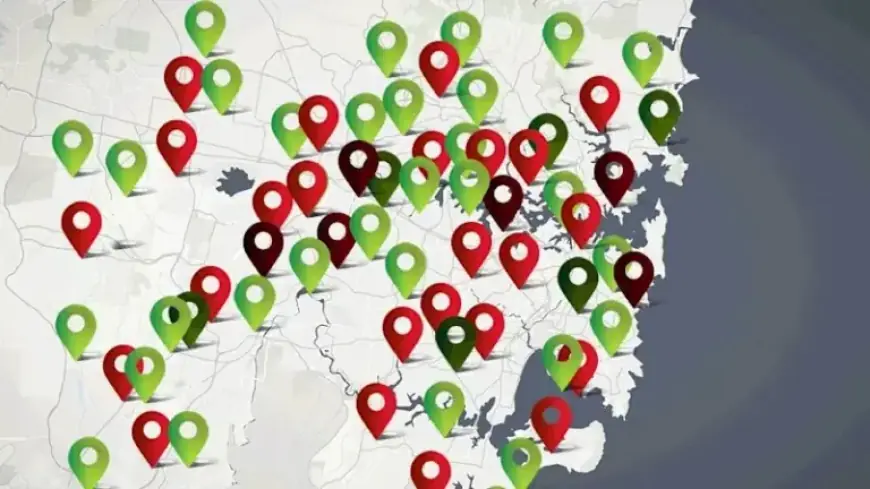
The Metro line stretches through key neighborhoods in Sydney, including the inner city and affluent suburbs. Similarly, in Melbourne, Local stores are primarily concentrated in eastern suburbs, such as St Kilda.
Consumer Observations and Experiences
Local residents have grown accustomed to their new grocery options. Medha Setia, a 20-year-old international student, noted the higher prices of items at the Metro store in Alexandria, yet she continues to shop there due to its proximity. Vanessa Knight, a community organizer, acknowledges the corporate strategy behind the establishment of such stores but remains dissatisfied with the pricing.
Retail Dynamics and Price Differences
Many consumers have reported discrepancies in pricing at Metro and Local stores compared to traditional supermarkets. Grocery industry consultants explain that these smaller outlets often carry limited product lines, which can result in higher prices for consumers. A recent price comparison indicated that a shopping trip at a Coles Local can be significantly more expensive.
Future Prospects for Grocery Retail
The evolution of the grocery sector is ongoing, with plans from both Woolworths and Coles to expand their smaller store formats. With the expectation of fast delivery becoming paramount, these new stores could serve as strategic hubs for efficient online order fulfillment.
The growing presence of Metro and Local stores indicates a shift in the grocery landscape, reflecting changing consumer lifestyles and shopping preferences across Australia. As the market evolves, understanding these dynamics will be crucial for both consumers and retailers alike.