



















Leading Economist Warns Stagflation is Already Occurring

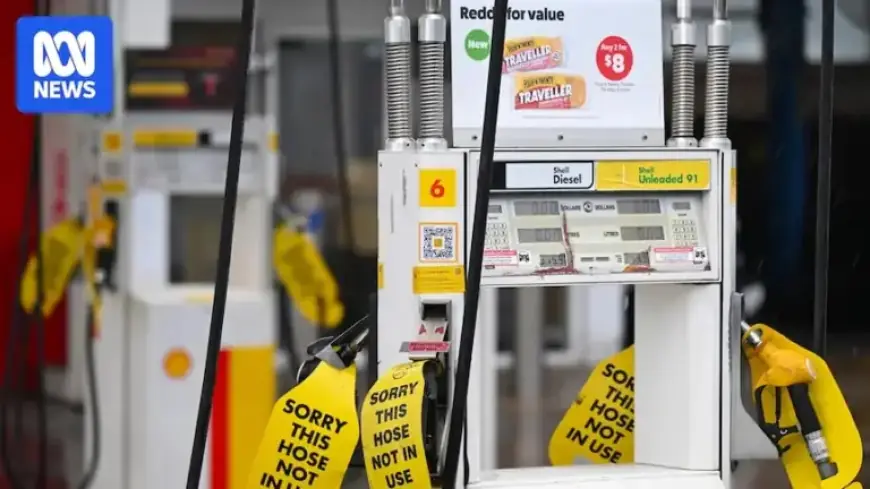
Australia may be on the brink of stagflation, a condition combining economic stagnation and high inflation. Recent discussions led by prominent economists have highlighted this concern, particularly due to the global energy crisis exacerbated by ongoing conflicts in the Middle East.
The Warning Signs of Stagflation in Australia
Professor Bob Gregory, a former Reserve Bank board member, has suggested that Australia is already witnessing the early stages of stagflation. He emphasizes that both inflation and unemployment may rise significantly in the coming years, largely as a result of fluctuations in oil prices.
Dr. Martin Parkinson, a former Treasury secretary, shares Gregory’s concerns but believes it is still premature to declare that stagflation is currently occurring. Nonetheless, he acknowledges a growing risk as global tensions disrupt energy supplies and supply chains.
Understanding Stagflation
Stagflation presents a unique challenge, combining stagnant economic growth with rising inflation rates. It often leads to increased unemployment and could trigger recessionary conditions.
- Stagnation: Slow or negative economic growth.
- Inflation: Rising prices impacting cost of living.
- Unemployment: Potential for increased joblessness.
The Impact of Global Events
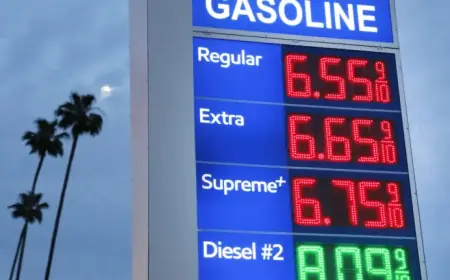
The war in the Middle East has prompted concerns over energy availability, causing oil prices to spike. Both economists argue that these developments could have profound and lasting impacts on Australia’s economy.
Gregory recalls the stagflation experiences of the 1970s, where oil crises significantly affected the economy. He notes that while the current situation may not replicate that era, the potential for inflation persists as long as oil prices remain high.
Future Economic Projections
- Projected inflation rate: 5.4% in the June quarter.
- Forecasted unemployment: expected rise to 5% from the current 4.3%.
- Anticipated interest rate hikes: Up to 4.85% by next August.
Gregory emphasizes the need to monitor the situation closely. If the conflict persists, adjustments will have to be made to accommodate higher fuel prices.
Potential Solutions to Mitigate Stagflation
As discussions evolve around coping strategies, some economists are exploring alternative inflation management techniques beyond just increasing interest rates. Historical approaches during past economic challenges could provide insights.
In past crises, figures like former Prime Minister Robert Menzies opted for tax increases to manage inflation. Current suggestions include the introduction of a windfall tax on gas exports, aimed at alleviating economic pressures while funding productivity-enhancing initiatives.
As the budget approaches, the pressure mounts on policymakers to explore innovative strategies that could prevent the escalation of stagflation without over-reliance on interest rate adjustments.
The situation remains fluid, and the outcomes are dependent on geopolitical developments in the coming weeks. Analysts and economists will continue to monitor the unfolding crisis and its effects on the Australian economy.