

















Willie Colon, a Luminary of Salsa Music, Dies at 75

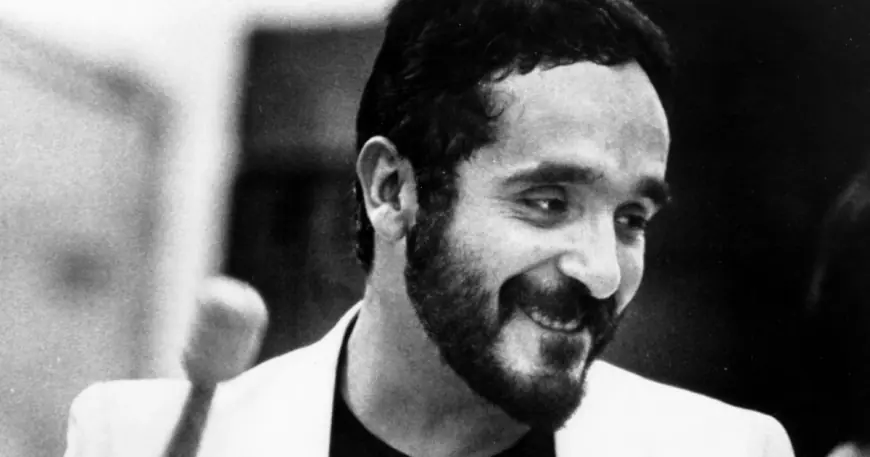
The musician willie colon has died at age 75, his family announced in a message posted on his social media accounts and on Facebook, saying he departed peacefully that morning surrounded by loved ones. The announcement follows a period in which the Puerto Rican artistic community had been asking for prayers on Friday while he was receiving medical attention for reported respiratory complications.
Willie Colon: Family statement and immediate circumstances
In a social media message the family said their loss is profound and that he ‘‘departed peacefully this morning, surrounded by his loving family. ’’ The family added that, while they mourn his absence, they also celebrate the enduring gift of his music and the memories it created. The public appeal for prayers from the Puerto Rican artistic community came a day earlier, when he was receiving medical attention for reported respiratory complications.
William Anthony Colón Román and South Bronx beginnings
Born William Anthony Colón Román on April 28, 1950, in the South Bronx of New York City, his early life shaped his artistic identity. His grandmother Antonia ("Toña") taught him Spanish and instilled a Puerto Rican identity that his parents had lost on the streets of New York at a time when bilingualism was not commonplace. Formal musical instruction began in elementary school with the flute, which he took home secretly; he discovered the bugle and had begun to master it by age 11, and he began trumpet lessons at 13.
Collaboration with Héctor Lavoe and the Fania record label
At 16, in 1967, he recorded his first album, "El Malo, " with Héctor Lavoe; together they formed one of the most important salsa duos on the Fania record label. Lavoe contributed streetwise themes and practical musical lessons that helped shape Colón’s willingness to experiment with instrumentation and structure. With Lavoe, his orchestra popularized songs including "Calle Luna, calle Sol, " "Abuelita, " "Ah, ah, oh, no, " "Ghana’e, " "El día de mi suerte, " "La murga, " and "Juana Peña. "
Key recordings, productions and introductions
In 1969, his "Che ché colé" emerged as a pivotal moment: a Ghanaian-influenced song set to a Puerto Rican bomba rhythm that became a salsa classic. In 1976 he pushed the genre into new terrain by producing the ballet "El baquiné de los angelitos negros, " initiating what was described as his symphonic salsa era. He released albums such as "The Good, Bad and The Ugly" in 1976 and "Solo" in 1988, and he introduced Rubén Blades to the recording industry in 1977 with the album "Metiendo mano, " later collaborating with Blades in subsequent years. He launched a solo career in 1979.
Discography, sales, honors and film work
Willie Colón’s recorded output spans more than 40 albums and includes 16 LPs to his credit. His catalog earned nine Gold Records and five Platinum Records, and he sold more than eight million records worldwide. Among his LPs were collaborations with Héctor Lavoe, six with Rubén Blades and four with Celia Cruz. He was nominated eight times for Grammy Awards in the tropical music category. Beyond music, he performed in film and television productions including "Vigilante, " "The Last Fight, " "Salsa, " "Miami Vice, " and the telenovela "La Intrusa. "
What makes this notable is that his career combined deep roots in Puerto Rican folkloric influences taught by family, formal instrumental study beginning in childhood, and bold collaborations that helped carry salsa into new spaces—an arc reflected in both his commercial achievements and his experimentation with form and production.
As tributes and reactions continue to emerge, the immediate facts remain: willie colon, born William Anthony Colón Román, died at 75; his family announced his peaceful passing on social media and Facebook; and his final days included medical attention for reported respiratory complications that prompted public concern and calls for prayers the day before his death.