




















UW–Parkside Reopens After Swatting Scare, Tightens Focus on Campus Safety

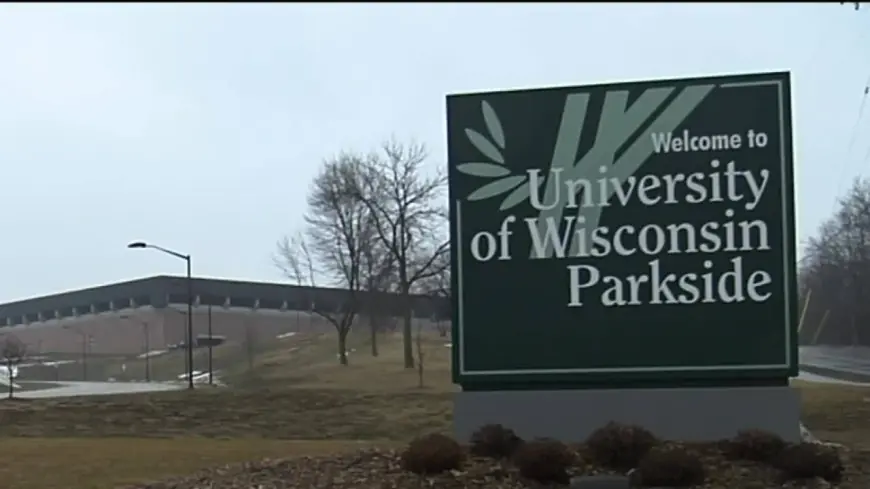
The University of Wisconsin–Parkside reopened its Kenosha-area campus on Saturday, February 21, 2026, after an emergency alert instructed people to evacuate or shelter in place because of a reported threat that authorities later determined was a swatting incident. The disruption briefly halted weekend activity, including events at the Sports and Activity Center, before officials lifted restrictions and warned of an elevated police presence for the rest of the day.
Timeline of the alert and reopening
Campus officials issued an emergency alert shortly after 11:00 a.m. ET after receiving a phone threat. Students, faculty, staff, and visitors were told to leave campus immediately or shelter in place while law enforcement swept buildings across campus.
After officers secured and cleared key facilities, the university announced there was no active threat and reopened the campus at approximately 2:00 p.m. ET. Officials said activities scheduled for later in the day could proceed, with campus dining resuming service around 5:00 p.m. ET.
What “swatting” means in practice
Swatting refers to a false report intended to trigger a large law-enforcement response, often involving claims of weapons or an active attacker. Even when it turns out to be a hoax, the operational response is treated as real until proven otherwise—especially on a college campus where the consequences of a missed warning can be severe.
That reality helps explain the university’s immediate, blunt instructions to evacuate or shelter in place and why officers conducted building sweeps before declaring the area safe.
How students experienced the disruption
The incident unfolded as athletes and spectators gathered for weekend activities, including an indoor track meet. People on site described a sudden shift from routine competition to urgent movement, with word spreading quickly as groups ran toward exits or away from central areas.
For many on campus, the most immediate concern became accounting for teammates and friends—calling and texting to confirm everyone got out safely. That pattern—rapid peer-to-peer check-ins—has become a defining feature of campus emergencies, especially when alerts arrive mid-event.
Key takeaways from Saturday’s incident
-
Alert time: Shortly after 11:00 a.m. ET, following a phone threat.
-
Immediate instruction: Evacuate or shelter in place while buildings were checked.
-
Outcome: Authorities determined no active threat and labeled the incident swatting.
-
Reopening: Campus reopened around 2:00 p.m. ET, with dining returning around 5:00 p.m. ET.
-
Aftermath: Officials warned of an increased police presence for the remainder of the day.
What happens next after a campus swatting
The operational piece—sweeps, clearance, reopening—can be resolved within hours. The investigative piece often takes longer. Phone threats may be routed through spoofed numbers or anonymized services, and determining who placed the call can require subpoenas, technical tracing, and coordination across jurisdictions.
On the campus side, schools typically review how alerts were issued (speed, clarity, channel coverage), how people moved during the incident, and whether certain buildings or events need updated protocols. Even without injuries, swatting events can leave lingering stress for students and staff who experienced the lockdown firsthand.
Broader campus news beyond the emergency
UW–Parkside has also been in the spotlight for developments that point in a very different direction than Saturday’s disruption. In recent weeks, the university has highlighted new initiatives aimed at workforce readiness and community engagement, including an AI fluency initiative designed to expand practical AI skills across students and programs. The school has also promoted environmental and land-improvement projects supported by outside grant funding, reflecting ongoing efforts to pair academics with regional partnerships.
Those longer-term projects won’t erase the anxiety caused by a high-alert day, but they do frame what the university is trying to build: a campus that remains open and active while sharpening its ability to respond quickly when threats—real or fabricated—surface.