

























Gold Price Today and Gold Futures: Spot Near 5,100 an Ounce as Macro Worries Keep Safe-Haven Bid Intact

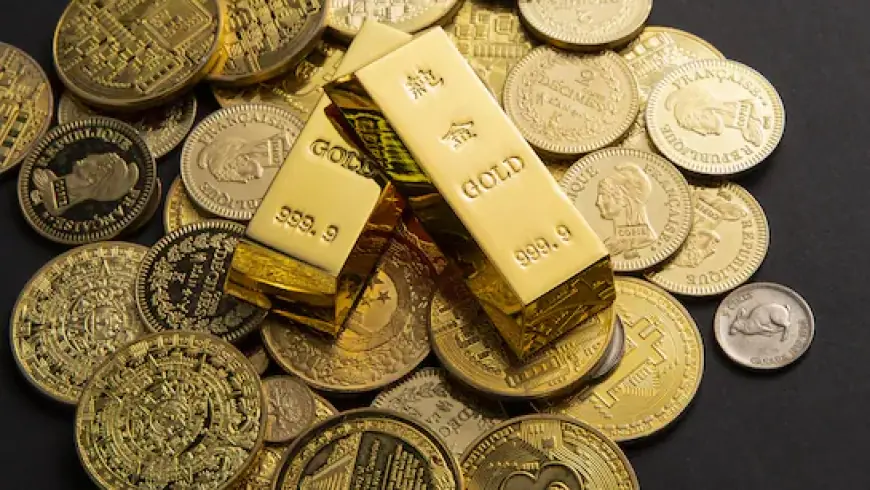
Gold price action is holding near record territory heading into Saturday, February 21, 2026 in U.S. Eastern Time, after a strong end-of-week surge that pushed both spot gold and front-month gold futures higher. The latest widely quoted indications put spot gold around 5,104 per troy ounce and U.S. gold futures near 5,081 per troy ounce, with both markets recently trading in broad intraday ranges that reflect elevated volatility and heavy positioning.
Gold price today: where spot and futures stand
Spot gold has been oscillating around the low-to-mid 5,100s per ounce, with the day’s range recently spanning roughly 4,980 to 5,105. In parallel, gold futures have been trading near 5,081 per ounce, with a recent range roughly 5,000 to 5,131.
Because it’s Saturday ET, “today’s” numbers in many market dashboards reflect the most recent session and the latest available indicative pricing rather than active weekend trading. The more important signal is what happened into the Friday close: gold strengthened decisively, suggesting buyers were willing to pay up for protection as investors digested a mix of slowing growth signals, sticky inflation, and renewed policy uncertainty.
Gold futures: why the futures tape can look different than spot
Gold futures can trade at a small premium or discount to spot depending on interest rates, financing costs, and near-term demand for hedging. When markets anticipate rate cuts, the opportunity cost of holding non-yielding gold can look lower, which often supports both spot and futures. But futures can also move faster than spot during headline-driven periods because large hedgers and leveraged traders often express views through futures first.
Trading mechanics matter, too. Gold futures typically trade nearly around the clock on electronic sessions through the week, with a short daily pause in late afternoon ET and separate daytime floor hours. That long trading window helps explain why futures can react quickly to late-breaking macro data or geopolitical developments, even when cash markets are quieter.
What’s behind the move: growth scare, inflation friction, and policy uncertainty
The core driver set has a familiar shape, but the intensity has risen:
Growth worry is back in focus. A softer growth backdrop tends to help gold when it increases the probability of easier monetary policy or raises concern about risk assets.
Inflation isn’t fully cooperative. When inflation measures surprise to the upside, gold can benefit as a hedge narrative returns, but it can also face crosswinds if higher inflation implies rates stay restrictive for longer. The recent dynamic has been a tug-of-war: slower growth supports gold, while inflation surprises inject uncertainty about how quickly policy can ease.
Policy and geopolitical risk are doing extra work. Gold’s safe-haven role strengthens when investors feel rules might shift quickly, whether through trade policy, sanctions dynamics, or broader geopolitical tensions. Even without a single dominant shock, a cluster of uncertainties can keep defensive allocations elevated.
Behind the headline: incentives, stakeholders, and the missing pieces
Incentives. Large asset managers and macro funds tend to add gold when they want “portfolio insurance” against tail risks: recession scares, sudden policy shifts, or a destabilizing inflation re-acceleration. Central banks and long-only buyers tend to be more price-insensitive, focusing on diversification and reserve strategy rather than short-term timing. When these groups overlap in the same direction, rallies can extend further than many expect.
Stakeholders.
-
Consumers and jewelry markets feel the pain of higher prices, often reducing demand at the margin.
-
Miners and royalty companies benefit from higher realized prices, which can amplify cash flow and dividend capacity.
-
Manufacturers and electronics users face cost pressures, though gold’s industrial use is smaller than some other metals.
-
Traders and hedgers are watching volatility and margin requirements closely, since fast moves can force position trimming.
Missing pieces to watch.
-
Whether upcoming inflation and labor-market prints re-accelerate or cool.
-
Whether rate-cut expectations stabilize or swing again.
-
Whether risk assets remain resilient; gold sometimes rallies alongside stocks, but correlation can flip quickly when liquidity tightens.
-
Whether physical demand (especially in key import markets) returns on dips or retreats further at these price levels.
What happens next: 5 realistic scenarios with triggers
-
Breakout continuation: Gold pushes decisively above recent highs if upcoming data strengthens the case for multiple rate cuts in 2026.
-
Sharp pullback, then bid returns: A brief correction hits if yields rebound, but dip-buying appears quickly if geopolitical uncertainty stays elevated.
-
Range trade: Gold chops between roughly 4,950 and 5,150 if macro signals stay mixed and traders wait for clarity.
-
Volatility spike: A sudden policy headline or escalation risk drives a fast move in futures, widening spot-futures spreads temporarily.
-
Rotation out of defensives: Gold softens if growth surprises improve and inflation cools enough to reduce tail-risk hedging demand.
Why it matters beyond the chart
At these levels, gold isn’t just a commodity story; it’s a macro barometer. Elevated gold prices can influence inflation expectations, affect currency hedging decisions, and shift capital allocation across mining investment and shareholder payouts. For everyday consumers, it can also ripple into jewelry pricing and savings behavior in markets where gold is a traditional store of value.
If you tell me your region and whether you care about spot gold, futures, or local currency pricing, I can tailor the key levels and what to watch this week.