

















Hilary Knight’s Late Equalizer Forces OT as Megan Keller’s Goal Secures U.S. Olympic Gold

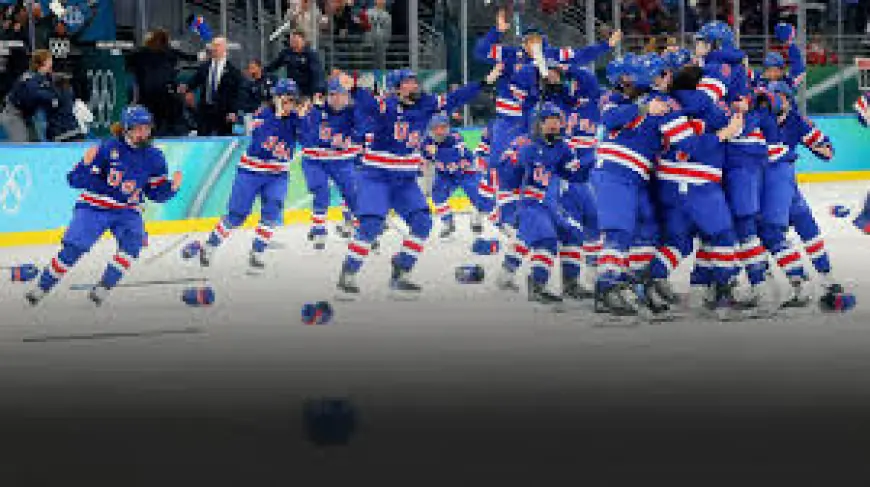
hilary knight redirected a late-team shot to tie the women's Olympic gold-medal game, sending the match to overtime and setting the stage for Megan Keller to score the game-winner four minutes, seven seconds into extra time. The 2-1 victory returned the gold medal to the United States.
What happened and what’s new
The United States rallied from a late deficit to defeat Canada 2-1 in overtime in the women's gold-medal match on Feb. 19, 2026 (ET). Canada opened the scoring with a shorthanded goal early in the second period, ending a stretch in which the American team had kept opponents off the board for three hours, 52 minutes and seven seconds of tournament play.
With roughly 2 minutes, 30 seconds remaining in regulation and the U. S. having pulled its goaltender, hilary knight tipped a wrist shot from the top of the zone to tie the score and force overtime. After a scoreless overtime start, Megan Keller found the net four minutes, seven seconds into the extra period to clinch the gold for the United States. After 60 minutes, shots on goal were 29-28 in favor of Canada.
Hilary Knight's late-game heroics
hilary knight’s tying play came at a high-stakes moment when the U. S. had opted for the extra attacker, a decision that produced the equalizer rather than a conceded empty-net goal. The goal altered the trajectory of the final, allowing overtime to determine the champion. Four minutes and seven seconds into overtime, Megan Keller converted the decisive play to end the match.
Behind the headline
Context: The match culminated a tournament run in which the U. S. had posted lengthy shutout minutes before conceding the shorthanded goal. The late equalizer and subsequent overtime winner shifted a single-goal game into a medal-deciding victory.
Incentives and constraints: Both teams entered the final with the immediate objective of winning gold; the U. S. response to a late deficit shows a strategic willingness to risk pulling the goaltender to create offense. Time pressure in the closing minutes and the tactical decision to use the extra attacker directly influenced the outcome.
Stakeholders: The primary beneficiaries are the American players and coaching staff who secured the gold; Canada and its roster leave with the silver after a narrow loss. Tournament organizers, teammates, and national programs are directly tied to the result through competitive, reputational, and celebratory consequences.
What we still don’t know
- Full assist and scoring-credit details for the tying and winning goals.
- Names and postgame statements from the goalies and coaching staffs.
- Any injuries or disciplinary matters arising from the match.
- Immediate scheduling for medal ceremonies and team departures.
- Longer-term roster or program reactions following the final.
What happens next
- Ceremony and celebrations: The winning team will receive gold medals and gather for postgame ceremonies, which will conclude the tournament final.
- Player and team reactions: Expect formal remarks and interviews from players and coaches in the hours following the game; those comments will frame immediate narratives about the match.
- Domestic reception: The victory will prompt recognition and events for the winning team upon return, including organized receptions and acknowledgments by team leadership.
- Program assessments: Both national programs may review game film and decisions from the match—notably the pulling of the goalie and special-teams play—to inform future strategy.
- Competitive follow-up: Tournament organizers will finalize official statistics and records for distribution once scorekeeping and postgame protocols are completed.
Why it matters
The match decided the highest prize in the tournament and concluded with dramatic, late-game action that hinged on a pulled-goaltender situation and an overtime finish. For players, the result is an immediate professional and personal milestone tied to the championship outcome. For the sport at large, the outcome will shape short-term narratives about team performance and decision-making under pressure. Near-term implications include the medal ceremony, subsequent coverage and analysis of tactical choices made in the final minutes, and the framing of both teams' performances in closing tournament summaries.