














Moore, Polis to attend governors meeting after White House reverses course — Msnow

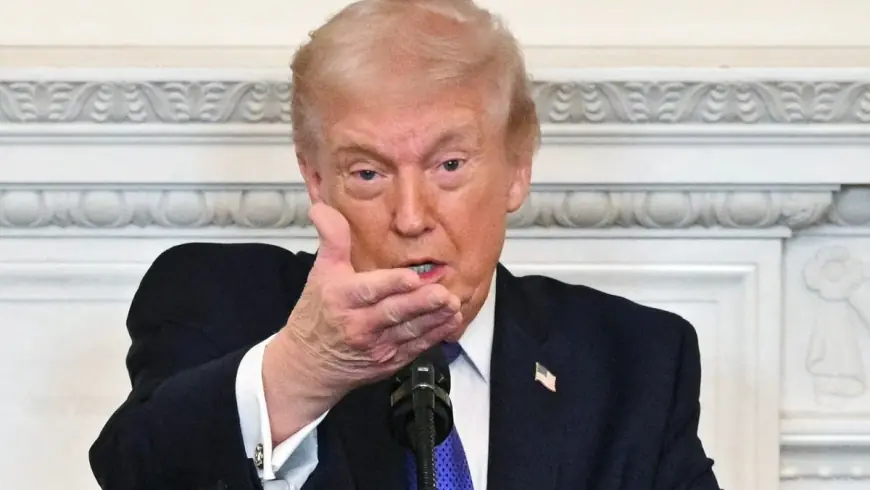
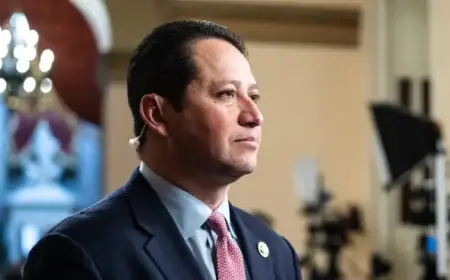
President Donald Trump ordered reporters out of a Feb. 20 East Room breakfast so governors could speak "candidly, " a dramatic moment that unfolded amid a dispute over invitations to White House events; Democratic Govs. Wes Moore and Jared Polis said they will attend after the White House reversed earlier exclusions. msnow
Msnow: invitation reversal and who attends
The White House initially limited invitations to Republican governors, prompting a response from Democratic governors who announced they would not attend certain events. The administration later extended invitations to Democratic governors but excluded Colorado Gov. Jared Polis and Maryland Gov. Wes Moore, a decision that produced public pushback and further confusion over attendance.
Moore issued a statement saying he would attend the meeting to work with governors of both parties, while also warning he would not "participate in political stunts. " That assertion underscored friction over the traditionally bipartisan annual governors' meetings.
Reporters removed during tense breakfast
At the Feb. 20 working breakfast in the East Room, President Trump told the press, "To the media, thank you. You can leave now, " and had staff lead reporters out so the officials could discuss matters privately. Reporters shouted questions as they were escorted from the room, including an inquiry about possible military action against Iran; the president replied, "I guess I can say I am considering it. "
The president did not answer a question about whether he had spoken with Gov. Moore about a major Potomac River sewerage spill. Earlier remarks by the president had singled out Moore in relation to that spill.
Healey skips White House events
Massachusetts Gov. Maura Healey said she would not attend a White House meeting slated for Friday nor the Saturday dinner with other governors, calling the events politicized. She said governors of both parties historically met with presidents to address pressing issues, and she framed her absence as a response to how the events were being handled.
Originally, the decision by the White House to invite only Republican governors prompted Healey and 17 other Democratic governors to announce they would not attend the White House dinner. After the invitation list was expanded, the exclusion of Govs. Polis and Moore remained a sticking point for some.
Environmental, legal and bipartisan tensions
The dispute over invitations tracked with broader tensions at the meeting. Gov. Moore urged the president to aid local governments in recovering from a major local environmental emergency: a collapsed pipe known as the Potomac Interceptor that released at least 200 million gallons of raw sewage into the Potomac River. The collapse and spill have been a point of public contention between federal and state officials.
The president also singled out other Democratic governors on separate policy issues, prompting a courtroom reply from at least one governor who said her state would challenge an executive action. Those exchanges highlighted how the annual governors' meetings, long regarded as bipartisan opportunities, opened this year with visible partisan strain.
What to watch next
Attendance choices for the scheduled White House events and the governors' conference this week will be the immediate indicator to watch: whether more governors participate in White House-hosted sessions, skip the dinner, or limit engagement will shape how the meeting is read publicly. If additional governors decline White House events, the traditional bipartisan character of the annual gatherings could face further strain.
Officials who have said they will attend emphasized working with colleagues across party lines on shared problems; others framed their absence as a response to politicization. Unclear at this time is how private discussions at the breakfast will translate into cooperative action on the environmental and policy issues raised during the exchanges.