

























Hilary Knight's equalizer rewired the U.S. women's hockey final — and changed how this team will be remembered

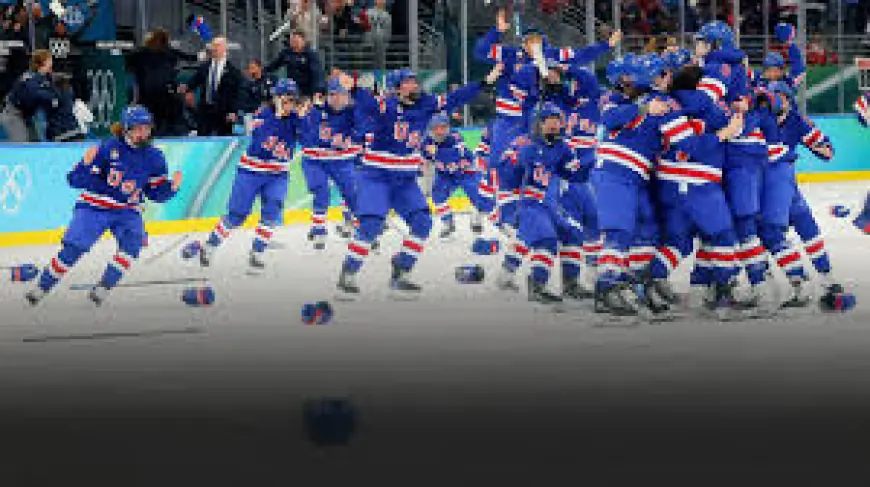
For American players, fans and the sport's narrative, hilary knight's late third-period deflection did more than level the score: it erased a dangerous deficit, forced overtime and directly set the stage for a gold-medal finish. The timing — after a successful penalty kill and a pulled goalie — turned a precarious endgame into momentum that reshaped how this Olympic final closed and how opponents will approach clutch situations going forward.
Hilary Knight's play shifted momentum and the emotional stakes for players and supporters
Here's the part that matters: the equalizer changed who would feel pressure in overtime and who carried the emotional advantage into sudden death. The U. S. responded to a late-game power-play threat by pulling the goalie and converting risk into reward when Hilary Knight deflected a shot from the top of the zone to tie the game. That swing did more than add a goal to the board — it altered match tempo, bench energy and fan narrative at a decisive moment.
What’s easy to miss is how those few minutes — a successful penalty kill, a pulled goalie decision and a captain's finish — condensed the contest's tactical arc into a single sequence that determined the final outcome. The real test will be whether other teams copy that endgame urgency in future high-stakes matches.
- Key result: The U. S. forced overtime after Hilary Knight’s third-period deflection and then won 2-1.
- Final scoring sequence: Canada opened with a shorthanded goal; the U. S. tied late in regulation; Megan Keller scored in overtime to clinch gold.
- Shots were nearly even at the final whistle (29-28 in favor of Canada), indicating a tight, back-and-forth contest.
- Stakeholders most affected: players on both benches, coaching staff endgame decisions, and fans who saw a late dramatic turnaround.
Game specifics and the decisive moments that followed
The match unfolded with a late first-period penalty that gave the United States a second-period power play start, but Canada struck first on a shorthanded goal, ending a long shutout streak that had lasted three hours, 52 minutes and seven seconds. Late in the third, Canada went on the power play while still leading; the U. S. killed that penalty with just over four minutes remaining.
With roughly 2: 30 left and the puck inside Canada’s zone, the United States pulled the goaltender — a high-risk call that paid off when captain Hilary Knight deflected a wrister from the top of the zone to tie the game and force overtime. Regulation ended with shots at 29-28 in Canada’s favor.
Four minutes and seven seconds into overtime, Megan Keller maneuvered to find a scoring lane and slid the puck past the Canadian goaltender to secure a 2-1 victory and the Olympic gold medal for the United States.
Micro-timeline: Feb. 19, 2026 — Canada scores shorthanded; later in the third the U. S. ties with Hilary Knight’s deflection; 4: 07 into overtime Megan Keller nets the gold-winning goal.
The shift from a late defending posture to an aggressive, risk-taking offense shows how single decisions can flip a final. If you’re wondering why this keeps coming up in postgame analysis, it’s because those minutes rewired both tactical and emotional outcomes.
Possible next signals that would confirm a broader trend: more teams choosing early pulls in late regulation when possession is sustained in the offensive zone, and captains being deployed in high-traffic, decisive scoring areas on the power play or empty-net situations. Coaches and analysts will watch replays for how that deflection was created — positioning, screens, and the shot origin at the top of the zone.
It’s easy to overlook, but this final also reaffirmed that margins between gold and silver in elite women's hockey remain razor-thin: a single deflection and one overtime finish decided the whole tournament.