























Determining Ramadan’s Start: Does It Begin in the UK Today?

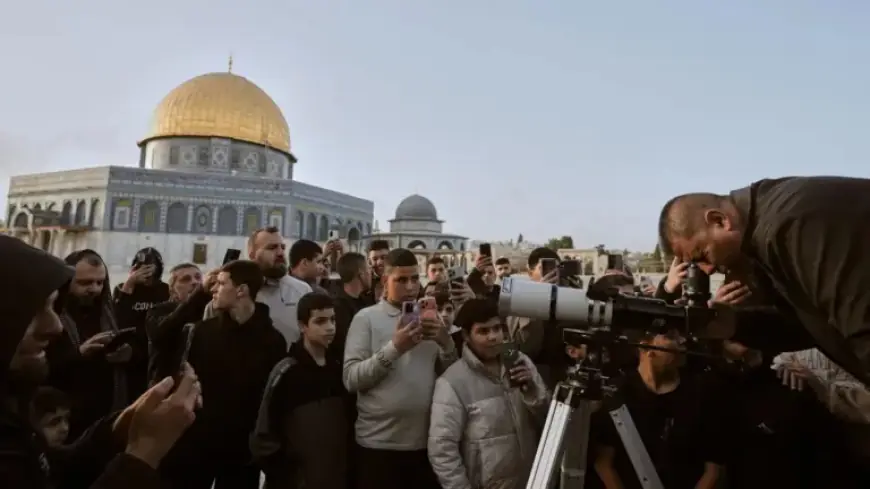
The start of Ramadan is confirmed for Saudi Arabia, but the situation for Muslims in the UK is more complicated. Determining Ramadan’s start often varies based on the sighting of the crescent moon. This lunar phenomenon marks the beginning of the ninth month in the Islamic calendar, which leads to confusion and differing opinions among communities.
Different Observations Across the UK
Dr. Wajid Akhter, the secretary general of the Muslim Council of Britain (MCB), highlighted these differences to Sky News. He noted that some Muslims in the UK follow the moon sighting in Mecca, Saudi Arabia, while others choose to observe the crescent sighting in closer Muslim-majority countries, like Turkey and Morocco, or even within the UK.
Unified Start Dates Needed
- Dr. Akhter advocates for a unified approach to determining Ramadan’s start.
- He emphasizes the frustrations stemming from different fasting dates among families and communities.
- According to Dr. Akhter, the situation is untenable with separate start dates for Ramadan and Eid.
He pointed out that compared to other European countries like Germany and France, the UK’s diverse Muslim population complicates consensus on a single calendar approach. Historically, many Muslims relied on country-specific teachings for their religious observances, which influences current practices.
Confirmation Process for Ramadan
The actual confirmation of Ramadan’s start in Saudi Arabia occurs at the Tabuk Observatory. This facility is dedicated to observing the moon’s phases, and moon sighting teams typically commence their search after sunset. In Saudi Arabia, the moon was sighted on February 18, marking it as the first official day of fasting.
Variations in Ramadan’s Start Date
While Saudi Arabia confirmed the sighting, other countries like Turkey and Australia have declared a later start. This leads to an interesting discrepancy as the UK may potentially begin Ramadan a day later.
Understanding Lunar Phases
Imad Ahmed, director of the New Crescent Society, also emphasizes the importance of the moon in Islamic rituals. He explains that an Islamic month can last either 29 or 30 days, based on the lunar cycle. This cycle is critical for determining the start and end of Ramadan.
- Each month is calculated by lunar phases, averaging 29.5 days.
- If the crescent moon is sighted on the 29th day, Ramadan begins; otherwise, the month completes 30 days.
The quest to sight the crescent unites Muslims globally as they anticipate the start of fasting. The sighting also signals the approach of Eid celebrations at month’s end. As Ramadan approaches, many hope to resolve these differences in start dates and embrace a more unified observance. The call for self-sufficient moon sighting practices in the UK may pave the way for clearer communal guidelines.