























Peaky Blinders Movie Reboot Puts Fans, Historic Sites and the Shelby Lineage Back in the Spotlight

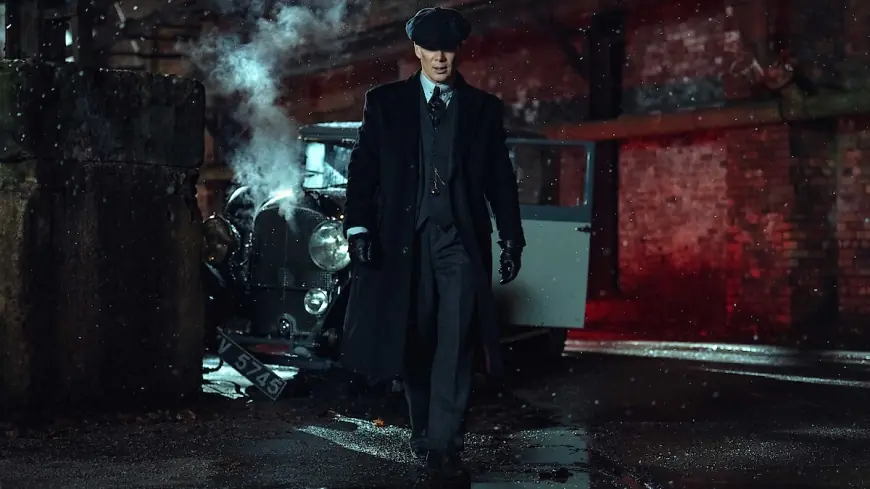
Why this matters now: The first full trailer for the new peaky blinders movie signals more than a plot return — it repositions who is affected by Tommy Shelby's choices: family members carrying on a violent legacy, historic locations used as living sets, and audiences who invested in the TV era. The trailer and production details show a creative pivot that will shape how the story lands for long-time viewers and local communities alike.
Peaky Blinders Movie: who feels the impact first
The most immediate impacts land on three groups. First, the Shelby family as represented on screen — an older Tommy returns to a Britain at war while an illegitimate son appears to run the gang. Second, the custodians of historic locations whose spaces are now cinematic backdrops, with staff handling delicate object moves and adaptations. Third, the series’ audience, who will meet a grayer, battle-worn protagonist and new high-profile cast members whose presence recalibrates expectations.
What the trailer and location choices reveal
The trailer runs just over two minutes and stages Tommy Shelby's return to a wartime Birmingham setting. It frames him as a leader pulled back from self-imposed exile into a reckoning that threatens both family and country. The elder Shelby is presented as forced to choose between confronting his past or destroying it — a thematic escalation from the TV series’ personal and criminal conflicts.
Cast additions are notable: the returning lead is joined by a high-profile actor playing his illegitimate firstborn, who appears to be running the gang in old patterns. Other new and returning cast members line the margins, suggesting both continuity and a shift in internal power dynamics. One ally warns Tommy to confront his demons for the sake of family and nation; Tommy's ability to help his son is presented as compromised, creating a central emotional tension.
Production choices amplify mood. A stately Derbyshire house was selected for its unrestored interiors — peeling paint and layered rooms that required minimal alteration — and key scenes were staged in passageways, a kitchen, a schoolroom and a night nursery. The stable yard and riding school were repurposed to display vintage cars instead of tools. House staff managed more than 1, 300 historic objects in a process taking over 950 hours to pack, move and reinstate, underscoring the logistical and preservation burden these shoots place on site teams.
Scheduling notes embedded in recent materials set the film's theatrical release in early March with a streaming launch later that month; the calendar positioning suggests a dual-window audience strategy that will reach both cinema and at-home viewers within weeks of each other.
Here's the part that matters for viewers and local communities: the production prioritizes atmospheric authenticity over glossy reconstruction, which alters how the story will feel — grimmer, textured and anchored to real-world decay as a visual shorthand for national crisis.
- Trailer length and tone: slightly over two minutes, focused on an older, battle-scarred protagonist.
- Setting: Birmingham in 1940 provides a wartime backdrop and higher national stakes for personal choices.
- New cast dynamics: the lead’s firstborn is now portrayed as a gang leader, creating a father–son power struggle.
- Location impact: a Grade I-listed house supplied largely untouched interiors; staff handled a large-scale object move taking nearly a thousand hours.
It’s easy to overlook, but the choice to film in authentic, unrestored rooms is a clear creative decision: those surfaces carry narrative weight, turning wear and neglect into character shorthand for decline and consequence.
The real question now is which of the film’s threads — family reckoning, wartime pressure or the visual staging of decline — will define public reaction. Early signs point to an emotionally focused story with a cinematic scope that leans on place as much as plot.
Key indicators that will confirm the next move: audience response to the tonal shift in the trailer; reactions from visitors and staff at the historic site once scenes appear on screen; and how the new cast members shape perceptions of legacy characters. Recent materials note awards recognition for principal performers, which raises expectations for performance-driven reception.
Mini timeline (for context): the trailer release was followed by location disclosures highlighting the stately home work; the film then set a near-term theatrical debut and a close-following streaming launch. These steps compress promotional momentum into a short window and aim to convert curiosity into immediate viewership.