





















Winter Weather Advisory: Southern California Mountains and Sierra Nevada Face Travel Disruptions as Snow Piles Up

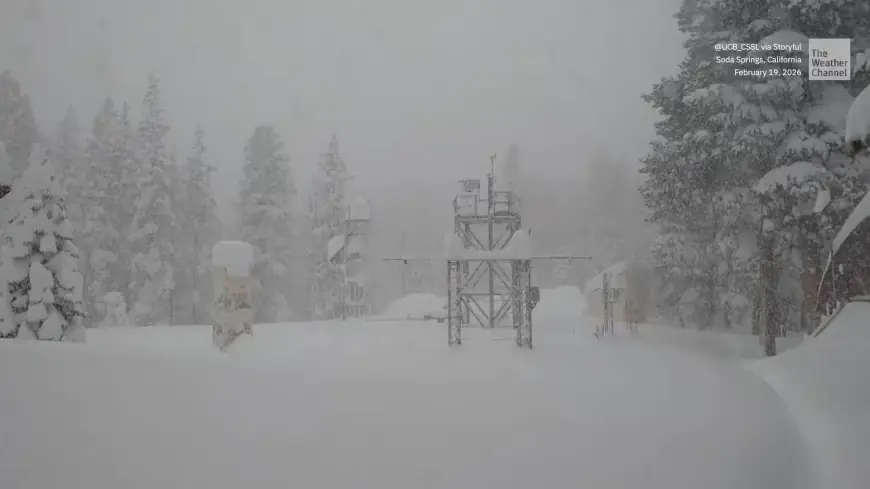
Winter Weather Advisory is the framing as heavy snow that fell in Southern California’s mountain zones and ongoing travel problems across the Sierra Nevada create hazardous driving conditions this weekend. Local highway officers have imposed chain rules and have at times turned drivers back, underscoring near-term risks for anyone planning to travel uphill.
Winter Weather Advisory: What happened and what’s new
Confirmed reports show that consecutive storms have deposited substantial snow in Southern California mountain areas. In parts of the San Bernardino Mountains, accumulations reached up to three feet over the span of the recent storms. Road surfaces remain icy in many places, and most mountain roads are governed by a level 2 chain requirement that applies to most vehicles.
The regional highway patrol has been actively urging drivers to be prepared before attempting mountain travel. Officers have at times prevented motorists from continuing when vehicles were not equipped with required traction devices; some drivers were turned away on Thursday. Vehicles with four-wheel drive or all-wheel drive fitted with four snow-tread tires are exempt from having chains installed to travel, but those vehicles are still required to carry chains in case conditions deteriorate.
Although skies have begun to clear in parts of Southern California, that change is bringing colder overnight temperatures and the attendant risk of black ice on roads. For safety, slower speeds are recommended on slick stretches; a 25 mph advisory for driving in affected areas has been suggested. Travelers headed into mountain zones are also advised to carry extra water, food and blankets in case conditions strand them or force prolonged delays. Separately, travel disruptions and difficult conditions have been captured in footage from the Sierra Nevada, illustrating broader regional impacts on movement and access.
Behind the headline
The immediate cause of the current travel disruption is a sequence of storms that left deep snow at higher elevations. The chain requirements and turn-arounds by highway officers reflect an operational choice to prioritize safety on icy, narrow mountain roads that can become impassable for vehicles without traction devices. Clearing skies introduce a counterintuitive hazard: colder overnight temperatures that heighten the chance of thin, hard-to-see ice forming on road surfaces.
Key stakeholders include motorists headed for mountain recreation or travel, local residents in mountain communities, and highway enforcement agencies charged with keeping roads safe. Highway officers hold operational leverage through the ability to restrict access and enforce chain rules; drivers who lack equipment face delays or denial of passage. Mountain businesses and rescue services also have exposure to fluctuating access and increased demand if travelers become stranded.
What we still don’t know
- Whether official advisories or additional enforcement measures beyond the chain requirement will be announced for adjacent areas.
- The precise duration that level 2 chain restrictions will remain in effect or whether they will be tightened or relaxed.
- Comprehensive counts of vehicles turned away, incidents, or weather-related rescues tied to these storms.
- How rapidly overnight temperatures will fall across specific roads and the exact locations most vulnerable to black ice.
- Broader impacts on lodging, mountain services, and seasonal operations in the Sierra Nevada beyond the travel footage noted.
What happens next
- Continued enforcement scenario: If icy conditions persist or worsen, highway officers may maintain or expand chain requirements and continue turning back unprepared motorists; trigger: sustained low temperatures or fresh snow.
- Temporary easing scenario: If overnight temperatures moderate and road crews clear and treat routes effectively, some chain restrictions could be lifted; trigger: sustained above-freezing daytime temperatures and successful road treatments.
- Localized closures scenario: Targeted road closures could be used where black ice or avalanche risk is judged too high for safe passage; trigger: detection of hazardous road patches or safety assessments by enforcement teams.
- Stranding and assistance scenario: Unprepared vehicles may become stuck, prompting increased search, rescue, or towing activity and placing additional strain on mountain services; trigger: multiple incidents of vehicles immobilized by snow or ice.
Why it matters
Near-term, motorists headed into mountain areas face tangible travel risks—delays, denied passage, and potential stranding—if they lack traction devices and basic supplies. For communities that rely on mountain visitors, enforcement and unpredictable access can suppress business activity or shift demand toward lower-risk periods. Transportation and emergency services may see elevated workloads if conditions strand drivers or spur accidents. Practically, the combination of deep snow, chain requirements, and the emergence of black-ice conditions creates a narrow window in which preparedness and enforcement will determine whether travel continues safely or becomes restricted.
For now, the confirmed facts are clear: substantial snow has accumulated in Southern California mountains, chain requirements are in force on most mountain roads, highway officers have intervened to prevent unsafe travel, and clearing skies raise the risk of cold overnight temperatures that can create black ice. Travelers should expect evolving conditions and plan conservatively.