












Alysa Liu Teeth: The story behind her Olympic smile

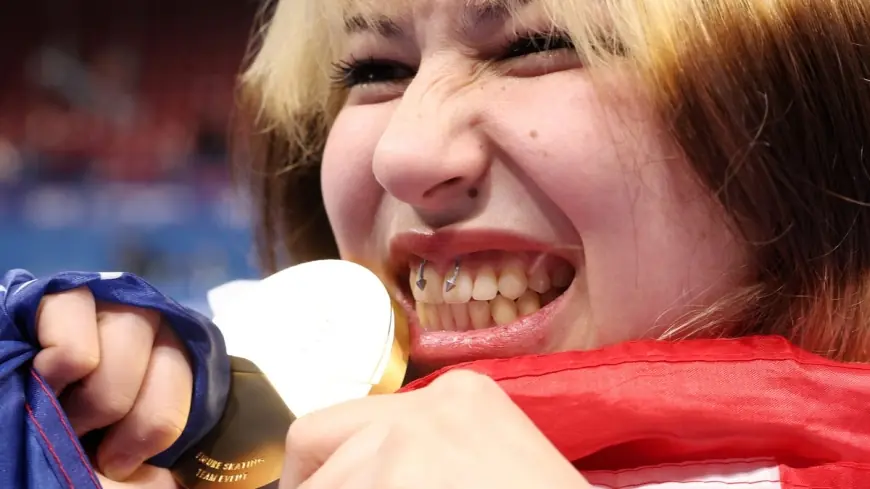
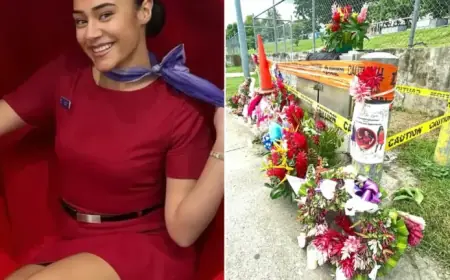
Alysa Liu teeth have become a headline detail as the 20-year-old skater’s personal style drew attention during the Olympic competition. The small silver frenulum piercing on the upper lip — a visible accent when she smiles — is one element of a broader return-to-sport narrative that her team says she controls on her own terms.
Alysa Liu Teeth: The piercing story
The accessory is a labial frenulum piercing, sometimes called a "smiley, " placed through the thin band of tissue that links the upper lip and gums. In the coverage provided, the piercing is described as a silver curved hook with small arrow details resting on her front two teeth. It is noticeable when she beams and has been singled out as part of her public persona during the Olympic program.
Inside alysa liu teeth choice
Details in the material show Liu performed the piercing herself, with her sister holding up her lip while she used a piercing needle. The choice fits with other visible style choices she has carried onto the ice, including a recurring halo hair design that she likens to tree rings and adds to over time. The hair motif and the frenulum piercing together are presented as deliberate elements of how she chooses to appear while competing.
Choreographer's role in style
Liu’s longtime choreographer embraced the piercing as part of her competitive identity. He is described as delighted by the look; seeing it made him want one himself. Their working relationship is depicted as collaborative: he aims to understand her as a person, promotes autonomy in her performances and helps project her identity on the ice. The choreographer’s background is sketched as coming from a small town outside Rome, with early exposure to skating through a school gym class, childhood activities outdoors and a later move that brought his first computer at age 27.
That collaborative approach matches Liu’s stated conditions for returning to the sport after earlier retirement at 16: she set boundaries to wear what she wants, dance to the music she wants, eat what she wants and take breaks when she chooses. Those conditions are presented as part of why her style — from hair to the small metal hook on her frenulum — has been allowed to flourish inside competition settings.
Coverage also includes competitive context: one write-up placed Liu in third after the women’s short program, with the free skate scheduled for Thursday night ET, while an editor’s note in another piece states that she wins Olympic gold in the women’s event. The competition schedule and those placement notes frame the piercing as both a personal statement and a visible feature of a high-profile campaign.
Observers can draw an immediate forward look from the facts provided: the free skate scheduled for Thursday night ET would determine final placements and whether Liu’s comeback narrative culminates in a podium result. If she were to reach the podium, one piece of the coverage framed that as punctuating her return — becoming the first U. S. woman to medal in individual figure skating since the 2006 silver medalist would be such a milestone if it occurs.
All details in this article are drawn from the recent coverage provided: the piercing’s placement and appearance, the account of Liu performing it herself, her styling choices across hair and accessories, her stated conditions for returning to the sport, the choreographer’s reaction and background, and the competition placement and scheduling that give the moment its immediate significance. Where specifics were not present, they are not asserted here.