


















Prince Andrew Arrested in UK as Police Expand Epstein Files Inquiry and US Accountability Is Questioned

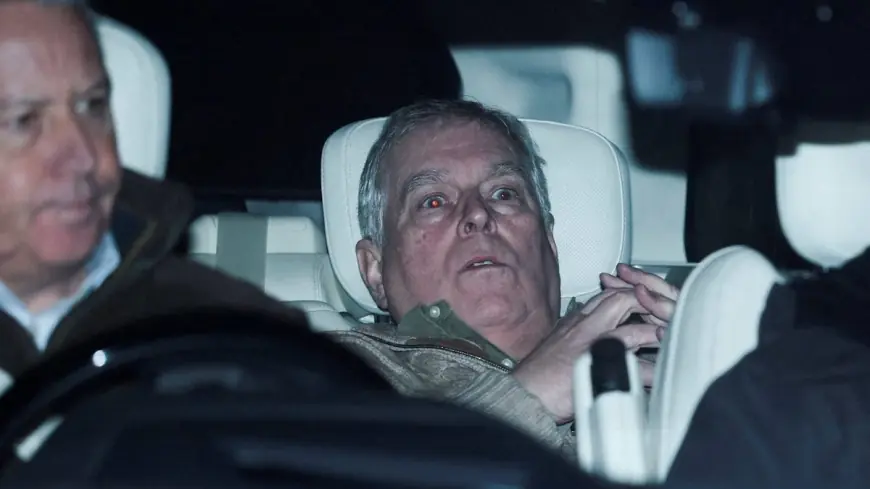
The latest development in the long-running review of the Epstein files saw prince andrew arrested in the UK on suspicion of misconduct in public office and later released under investigation. The arrest has prompted a visible domestic police response while prompting debate in the United States about accountability for figures named in the same files.
Prince Andrew: arrest, release and police activity
Law enforcement detained the former prince on suspicion of misconduct in public office; he was released from custody after 11 hours and remains released under investigation. Following his release he was photographed returning to a family estate. Authorities conducting related inquiries have continued physical searches of his former residence at Royal Lodge, with search activity expected to continue into the near term.
Investigators have broadened outreach and are identifying and contacting former and serving protection officers who worked closely with the former prince, asking them to consider whether anything they saw or heard during their period of service may be relevant to ongoing reviews. Separately, a local police force has been reported to be continuing search activity at the former Windsor home tied to the review.
The arrest is connected to an assessment of whether confidential material was shared with the late financier at the center of the files. The former prince has previously denied any wrongdoing in relation to those files; he has not provided comment on the specific allegations tied to the release of millions of documents that prompted this inquiry.
Key developments at a glance:
- Detention on suspicion of misconduct in public office; released after 11 hours and under investigation.
- Ongoing searches of the former Windsor residence, expected to continue into the immediate future.
- Authorities identifying and contacting protection officers for potential witness accounts.
- Investigations tied to alleged sharing of confidential material with the late financier.
UK accountability contrasted with US scrutiny
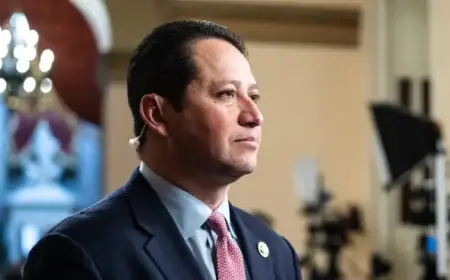
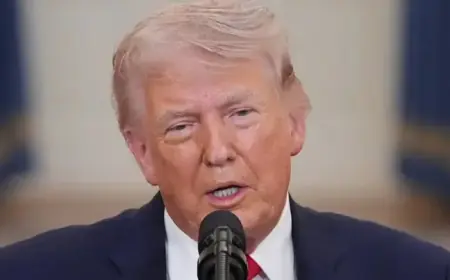
The arrest and the visible movement of investigators have fueled commentary comparing the UK response with patterns of accountability in the United States. Public reaction in another country described the UK action as a sign that the matter is being treated seriously, and raised questions about whether similar consequences have followed for high-profile figures named in the same files in the US. That commentary included criticism of how the matter has been handled south of the Atlantic and referenced statements from prominent US figures that drew rebuke in that discussion.
At the same time, the current monarch's office released a statement emphasizing that the law must take its course, underscoring a formal posture of deference to legal processes while police continue investigative steps. The interplay of royal statements and active police inquiries has sharpened public focus on institutional responses to material emerging from the files.
Context from past roles and what comes next
The investigation has a connection to the former prince's official work as a trade representative. He served as the UK special representative for international trade and investment from 2001 to 2011; that role involved promoting business abroad, undertaking expenses-paid travel, and access to senior contacts. He did not receive a salary for that role and stood down from it in 2011 following criticism tied to his links to the late financier. Authorities have noted that the role was not carried out under the rules that now govern similar positions.
What happens next: police enquiries and searches are ongoing, and investigators are seeking further witness accounts from those who provided protection. The situation is developing and details may evolve as investigators assess material and any potential evidence. For now, the matter remains an active legal review rather than a concluded case.