


















Prince Andrew Arrest Intensifies Immediate Impact on Protection Officers, Police Reviews and Political Accountability

The arrest of prince andrew on suspicion of misconduct in public office is reverberating beyond one individual: protection officers, investigators and parts of the royal household are now directly implicated in a police process that is gathering testimony and material. That ripple changes who must cooperate, how evidence is pursued and which institutional practices face scrutiny.
Prince Andrew’s arrest: immediate pressure on protection officers, investigators and the institution
Police action has shifted focus from headline arrest to the people and processes around it. Metropolitan police units are identifying and contacting former and serving officers who worked in a protection capacity to ask what they saw or heard during their period of service. Thames Valley investigators continue searches at the former residence associated with the former prince. These moves turn routine protection duties into potential sources of investigatory evidence.
Here's the part that matters: the inquiry is no longer limited to one individual's actions — it is probing the wider circle that could explain how documents or contacts were handled. That raises practical and reputational stakes for officers now being asked to review memories and records.
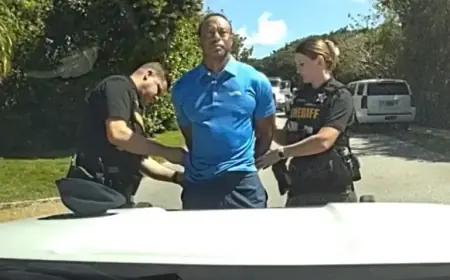
- The arrest was on suspicion of misconduct in public office; the former prince was later released under investigation after about 11 hours in custody.
- Investigators have requested information from protection officers about anything they saw or heard while on duty.
- Search activity at the former residence is ongoing as police assess material tied to the review of files connected to a late convicted sex offender.
- Commentary in recent coverage contrasted the United Kingdom's police actions with public discussion of accountability elsewhere, framing the arrest as part of a broader debate about how institutions respond.
Event details and the institutional thread embedded in the probe
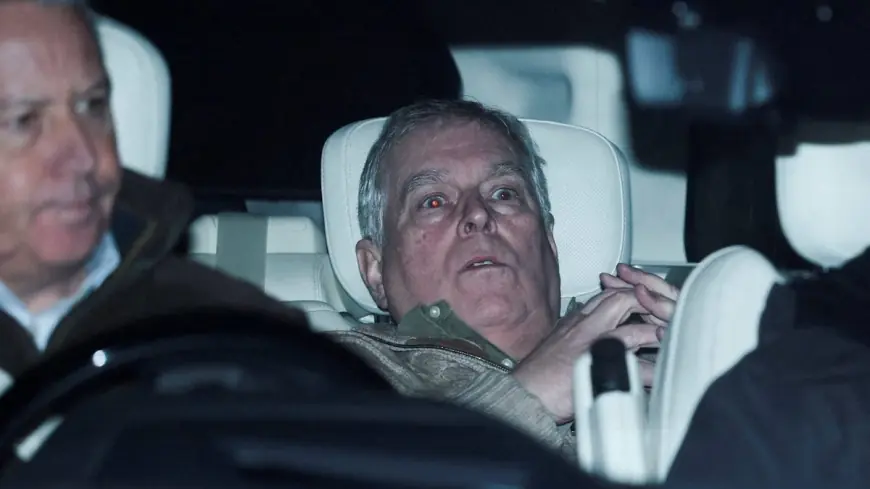
The arrest itself was for suspected misconduct in public office and followed an assessment linked to the release of a set of files. After custody, the individual was released under investigation and later pictured returning to a royal estate. Investigators are treating the matter as part of a wider review that includes both document searches and witness approaches.
Separately, the former prince’s prior public role as a trade envoy is central to why investigators are focused on some activities. He served in a trade role that involved promoting business interests abroad and the position, while connected to government bodies, did not include a salary. That post, which lasted for a documented period, ended amid criticism tied to links with the late financier whose files are now under review.
Micro timeline:
- Service in a trade representative role spanned an identified multi-year period and ended after criticism related to past links.
- Police have been assessing complaints tied to the handling or sharing of confidential material from a large set of files.
- The recent arrest led to release under investigation, active searches at the former residence and direct approaches to protection officers for what they observed while on duty.
The next signals that will shape the inquiry include any substantive information protection officers provide and what, if anything, emerges from the searches being conducted.
What’s easy to miss is that the procedural steps now — witness approaches, continued searches, and an extended review — are how a local criminal inquiry typically expands to test lines of responsibility beyond the initial subject of an arrest. That procedural expansion is itself a meaningful development for those asked to cooperate.
Key takeaways:
- Investigators have widened the scope to include former and current protection officers who may hold relevant information.
- Search activity at the former residence remains part of the evidence-gathering phase.
- The matter links to a prior trade representative role held without salary and to criticism that prompted departure from that post.
- Public commentary has framed this as a test of institutional accountability, contrasting recent actions here with how other jurisdictions have addressed related files.
The real question now is how quickly witness accounts and search results produce material that clarifies whether misconduct in public office can be proven in this case. Recent updates indicate the review is active and details may evolve as officers respond and searches conclude.