
























Indiana Unanimously Advances Measure That Could Move Chicago Bears Stadium to Hammond

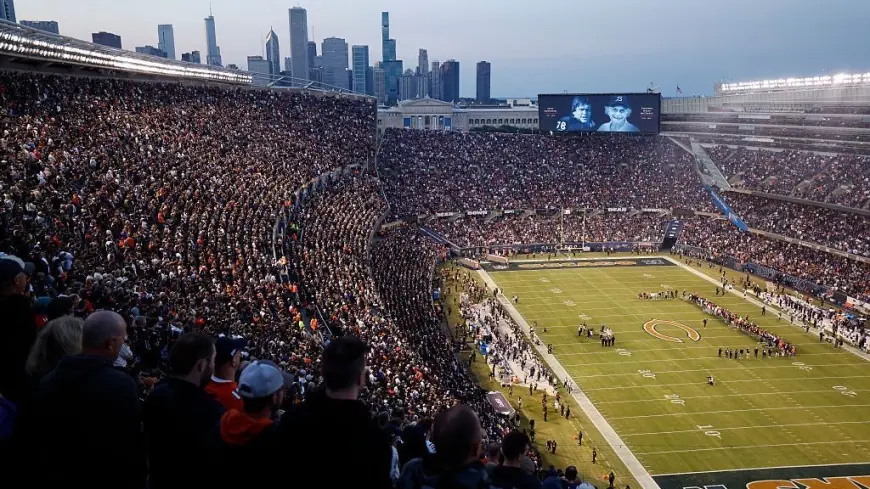
The Chicago Bears signaled renewed momentum for a potential move Thursday after Indiana lawmakers advanced an amendment to a state bill that supporters say would clear a path for a new stadium near Wolf Lake in Hammond. The step escalates a regional contest over where the franchise’s next venue could be built and prompted surprise from Illinois officials.
Chicago Bears: What happened and what’s new
Members of an Indiana legislative committee voted 24-0 to approve an amendment to State Bill 27 that would establish a Northwest Indiana Stadium Authority. The authority would have the power to issue bonds, acquire land and provide financing for construction of a stadium in Hammond, on land near the Wolf Lake area that crosses the Indiana–Illinois line.
, the Bears described the passage as the most meaningful step forward in their stadium planning efforts to date and said the club remains committed to completing site-specific due diligence on the Hammond location. Indiana officials praised the move as the framework for negotiating a final agreement and as the basis for a public-private partnership to build a domed venue.
On the Illinois side, a planned committee hearing on legislation that would have allowed the team to negotiate tax arrangements with local taxing bodies was canceled. Illinois they had been prepared to move a bill forward and that discussions with the team had been productive the previous day; the Illinois governor expressed surprise and disappointment after the Bears’ statement about Indiana progress.
Behind the headline
What changed: The unanimous committee vote gives Indiana a formal mechanism to finance and pursue a stadium project in Hammond by creating a dedicated authority with borrowing and land-acquisition powers. That change mirrors, in some respects, existing sports facility governance models and was presented by state lawmakers as a way to offer a ready path for negotiations.
Key actors and incentives:
- The Bears organization: pursuing a new stadium and conducting site-specific due diligence; previously outlined a multibillion-dollar construction commitment tied to additional public infrastructure assistance.
- Indiana state officials and lawmakers: advancing statutory authority to enable public financing and to position the state as an attractive negotiating partner.
- Local Hammond leadership: publicly endorsing a partnership and positioning the city as ready to facilitate the project.
- Illinois state officials and local proponents: had been working on alternative legislation to enable tax negotiations for a stadium in Arlington Heights and were surprised by the Bears’ public statement about Indiana progress.
What we still don’t know
- Whether site-specific due diligence in Hammond will confirm feasibility for the stadium and related infrastructure.
- Whether a final, binding agreement between the Bears and Indiana entities will be reached and on what financial terms.
- How the proposed Indiana financing would interact with any Illinois proposals or with the team’s previously stated construction budget and public funding requests.
- Timing for any vote or approvals beyond the committee action and the anticipated schedule for further legislative or local government steps.
- Precise details of proposed local tax changes in Indiana and how those would be structured or approved.
What happens next
- Legislative follow-through in Indiana: If the amendment advances through the full legislative process, the stadium authority could be formally created, enabling formal negotiations and financing work to proceed. Trigger: additional committee votes and final legislative approval.
- Due diligence outcome drives decision: Positive site studies in Hammond could accelerate negotiations toward a binding deal; negative findings could stall or end the plan. Trigger: completion and publication of due diligence results.
- Illinois re-engages or revises offer: Illinois officials could resume negotiations or adjust local legislation to retain the team, potentially producing competing proposals. Trigger: renewed talks or re-scheduling of the Illinois committee hearing.
- Protracted negotiations: The parties could enter an extended period of bargaining over funding, taxes and infrastructure responsibilities, delaying any construction timeline. Trigger: continued public statements and parallel planning in both states without a signed agreement.
Why it matters
The decision over a new stadium has direct fiscal and planning implications for the communities involved. The Bears previously outlined a multibillion-dollar construction plan and sought hundreds of millions in public infrastructure funding tied to roads, sewers and adjacent commuter rail improvements around a 326-acre site in Arlington Heights; the Indiana legislative action shifts the locus of negotiations and could change which taxpayers, local governments and regions would bear the costs and reap the benefits if a deal is finalized.
Near-term implications include mounting political attention on state and local officials, a pause or redirection of Illinois legislative work tied to the team, and increased public scrutiny of any proposed tax measures or public financing tools in Indiana. For fans and regional stakeholders, the vote frames a decision that could reshape where the franchise hosts games and how regional infrastructure is planned.