





















Quinn Hughes’ Overtime Strike Re-Frames the Mens Hockey Olympics Bracket and Pressure Points

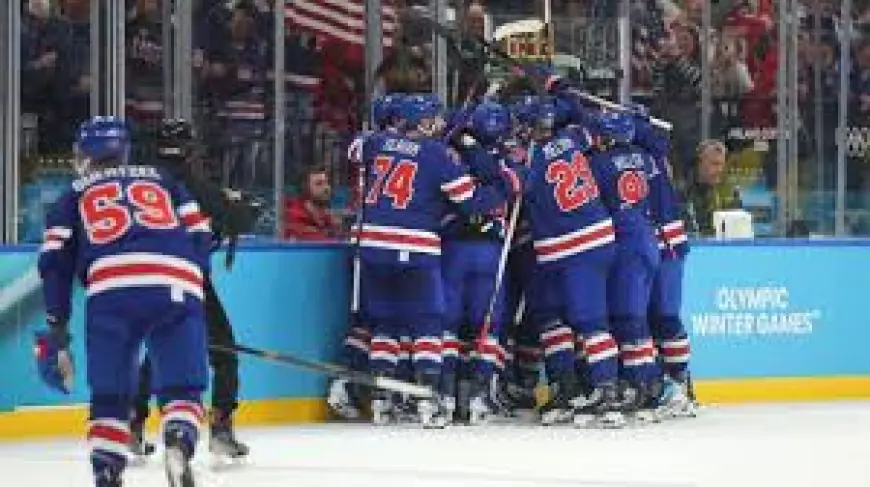
Fans and rival teams felt the immediate ripple from Quinn Hughes' overtime winner: at the mens hockey olympics that single play advanced the United States to the semifinals and altered how opponents must prepare. The goal changed more than a scoreline — it reallocated momentum inside a compressed knockout schedule and handed Team USA a psychological edge heading into a matchup with Slovakia.
Mens Hockey Olympics: Who absorbs the pressure and who gets breathing room
Team USA walks away with renewed confidence and an extra day of belief that sudden-death talent can decide elite matchups. For competitors, the loss is a tactical reminder: a single contested sequence in overtime can undo lengthy tactical plans and put a premium on late-game execution and composure. The immediate beneficiaries are U. S. players and the American fan base present at the arena; those now under fresh pressure include Sweden and Slovakia’s upcoming opponent, who must account for a timely scoring threat.
Here’s the part that matters: overtime success in a knockout setting both shortens and magnifies tournament narratives. The path to gold now includes a U. S. semifinal vs. Slovakia, while parallel quarterfinal drama left Canada and Finland advancing after comeback overtime wins.
How the decisive sequence played out and what the box score leaves behind
The goal that sent the United States through arrived in sudden-death overtime after the Americans failed to find the net on their first five overtime attempts. On the sixth chance, Hughes launched a shot that hit the inside of the post and crossed the line, producing a 2-1 victory over Sweden in the quarterfinal round. That finish propelled the U. S. into a semifinal meeting with Slovakia; Canada and Finland also moved forward after overtime comebacks in their respective games.
Venue detail tied the scene to Milan: the game took place at the Milano Santagiulia Ice Hockey Arena during the Milano Cortina 2026 Winter Olympic Games. The date of the quarterfinal outcome was Feb. 18, 2026, anchoring this turning point on the tournament calendar.
- United States: advanced to semifinal after 2-1 overtime win over Sweden.
- Next opponent for the U. S.: Slovakia (semifinal pairing set).
- Other quarterfinal notes: Canada and Finland each advanced through overtime comebacks.
It’s easy to overlook, but a late-game goal like this reshapes roster management for the next match: coaches weigh fatigue, matchup choices and special teams emphasis differently after sudden-death wins or losses.
Quick micro Q&A
Q: What immediate impact does the goal have on Team USA?
It secures a semifinal slot and boosts confidence, while forcing the team that lost to recalibrate for placement and future matchups.
Q: Does this change tournament momentum?
Yes — overtime drama concentrates attention and can tilt perceptions of which teams are peaking under pressure.
Postgame remarks from Hughes reflected strong national pride, expressing that representing his country in that moment felt especially meaningful. Social reaction leaned celebratory, with fans responding positively to his statements and the sudden finish.
The real question now is how Slovakia will respond to facing a U. S. side that just secured an emotional overtime victory, and whether that emotional lift translates into measurable on-ice advantage. Recent results in the knockout round show overtime outcomes have been decisive across the bracket; that pattern makes the upcoming semifinal pairings especially volatile.
Timeline rewind: the quarterfinal win was recorded on Feb. 18, 2026, at the Milano Santagiulia venue during the Milano Cortina Winter Olympics; the U. S. now shifts focus toward the scheduled semifinal against Slovakia.
What’s easy to miss is how a single high-stakes moment compresses narrative and preparation — coaches and players now have a small window to convert momentum into controlled performance before the next elimination game.