




















Alysa Liu Wins Gold in 2026 Winter Olympics Women Single Skating Free Skating

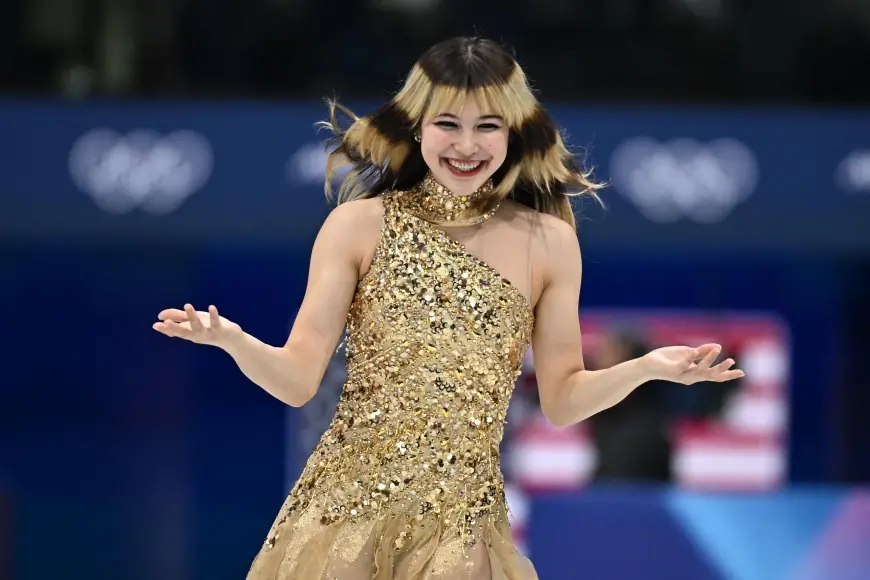
At the 2026 winter olympics women single skating free skating event, Alysa Liu, a 20-year-old from California, executed an exuberant and electrifying free skate to Donna Summer’s "MacArthur Park" that vaulted her to Olympic gold, ending a two-decade stretch without an individual Olympic medal for U. S. women in the discipline.
How Liu’s free skate changed the night
Liu’s program was described as carefree and joyous and it proved decisive: the free skate performance moved her from her short-program position to the top of the leaderboard and delivered the Olympic title. The routine’s energy and execution were central to reversing the long span since the last U. S. individual women’s medal at the Games in 2006. The victory was characterized as a moment that reshaped expectations for American women’s skating.
2026 Winter Olympics Women Single Skating Free Skating
The free skate session reshuffled standings beyond the champion. Amber Glenn rose sharply from her short-program placing to deliver one of the night’s strongest free skates, while Isabeau Levito, who had been eighth after the short program, turned in a precise free program set to Cinema Paradiso. Glenn’s free skate was the event’s third-highest-scoring program, and Levito’s routine continued the Italian-themed artistic thread that featured in her short program, which included a Sophia Loren medley.
Key moments that decided medals
Amber Glenn opened her free skate with a confident triple axel and followed with a season-best sequence, but persistent trouble with the triple loop affected her overall result. Glenn ultimately finished fifth, 4. 25 points behind the podium. Given the triple loop’s base value of 4. 9 points, that single jump error is a clear numerical factor in the final standings: had the loop been landed cleanly, its base value could have bridged the 4. 25-point gap. In the short program Glenn had already popped the same element, and in the free skate she put a hand down on the loop landing, undercutting a medal push despite a strong overall performance.
What this means going forward
The outcomes highlight two observable indicators for future competitions: program execution under pressure and the scoring impact of single-element errors. If high-base-value jumps such as the triple loop are landed cleanly, they can materially change podium math; conversely, repeated mistakes on the same element can negate otherwise top-tier performances. For American women's skating, Liu’s victory ends a long medal drought and establishes a different emotional tenor for U. S. contenders, while Glenn and Levito’s performances underscore depth and near-podium competitiveness.
Unclear at this time are broader scoring totals and detailed technical-element scores beyond the elements noted here. The Olympic free skate night delivered decisive moments that will shape attention on element consistency and program presentation in the events ahead.