























Prince Andrew Arrested in the UK as US Accountability Questions Persist

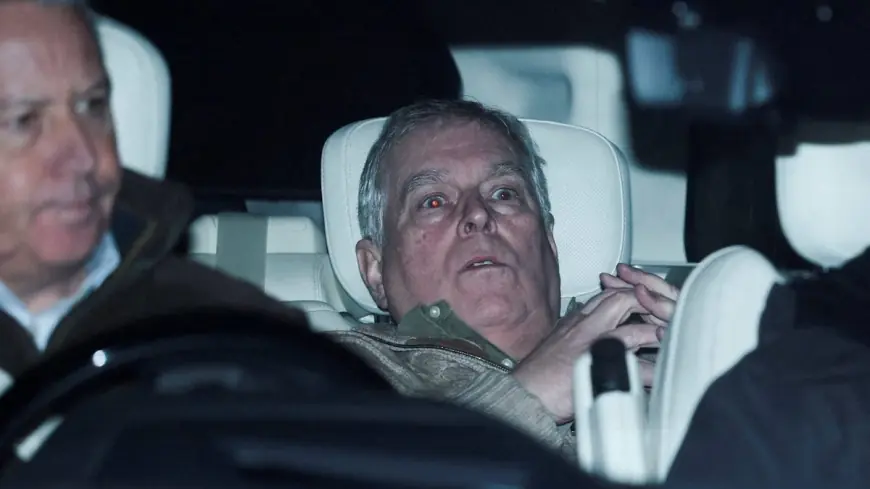
prince andrew was arrested on suspicion of misconduct in public office and later released under investigation; police said they were assessing a complaint alleging he shared confidential material with the late sex offender Jeffrey Epstein. The arrest, follow-up searches and the King’s public remark that "the law must take its course" have intensified coverage and prompted commentary comparing accountability in the United Kingdom with that in the United States.
Prince Andrew: Arrest and release
Police made the arrest in the morning and confirmed the former prince had been released under investigation. Officers were seen arriving at the Sandringham Estate at around 03: 00 ET, and the detention was publicly announced at about 04: 54 ET before a police statement followed. The King, who was not told of the arrest in advance, issued a statement at roughly 07: 00 ET saying "the law must take its course, " a remark said to be supported by the Prince and Princess of Wales. Photographs later showed the former prince leaving the local police station at about 14: 00 ET.
prince andrew: searches continue
Unmarked police vehicles were observed at Royal Lodge as searches continued the next morning. Authorities have said they are assessing a complaint that centers on the alleged sharing of confidential material with Epstein; specific details about the material allegedly shared have not been publicly confirmed. The former prince has previously denied any wrongdoing in relation to Epstein and has not responded to requests for comment on the specific allegations tied to the release of millions of Epstein files in January.
Legal scope and potential next steps
Legal commentary notes uncertainty about the immediate scope of police powers tied to an arrest. A legal expert has explained it is unclear whether storage units would automatically be covered by search powers that accompany an arrest; if they are not, investigators could seek a search warrant. The same point was made about official premises: if privileges would otherwise restrict access, those privileges could be waived, which could clear the way to broader searches. Those procedural questions frame possible next steps for investigators as they determine whether to seek warrants or expand inquiries.
Contrast with US accountability debates
Analysis and opinion pieces have highlighted a perceived contrast between how the matter is unfolding in the U. K. and how Epstein-related files and named individuals have been handled in the U. S. Commentators have used the arrest and follow-up actions to question whether comparable accountability measures have occurred stateside. That discussion remains separate from the criminal assessment underway here and does not alter the specific allegations that police are examining.
- Key takeaways: Arrest on suspicion of misconduct; released under investigation; searches ongoing at Royal Lodge.
- Police are assessing an allegation about sharing confidential material connected to Epstein; details not publicly confirmed.
- Legal experts say warrants could be sought if locations fall outside immediate police powers; the King is reported to have waived or would waive privileges if needed.
What comes next will depend on investigative findings and any decisions by police to pursue warrants or further searches. If investigators identify material they deem relevant and accessible only with judicial approval, formal applications for search warrants are likely. Observers say the case will be followed closely for procedural moves and any further statements from those involved; many specifics remain not publicly confirmed at this stage.