


![Florida Panthers Face Off Against [Team Name] on April 4, 2026](https://www.filmogaz.com/uploads/images/202604/image_430x256_69d2395a47e1f.webp)












Fans and Critics Split Over Emerald Fennell’s wuthering heights book Adaptation

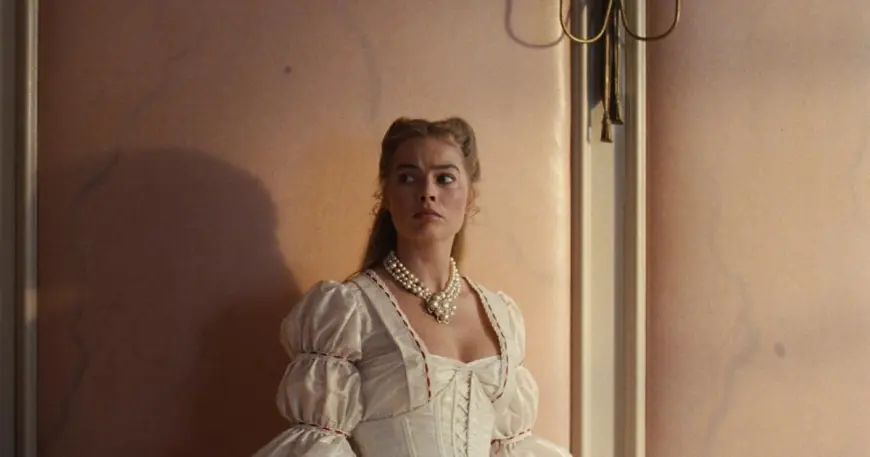
Emerald Fennell’s cinematic reworking of the classic novel has opened amid fierce debate: viewers praise its visual bravado and audacity, while others say the director’s choices hollow out the book’s emotional and thematic core. The film’s stylised sex scenes, baroque costumes and a contentious casting decision have become focal points for discussion as audiences process a version of the story that takes dramatic liberties.
Audience reaction: spectacle, sex and missing subtleties
Early reactions from readers and first-time viewers reveal a sharp divide. Many describe the film as a sensory feast — colour-saturated cinematography, ornate costume work and a pop-infused soundtrack that some say evokes the moors’ emotional landscape. For a number of viewers who had never finished the novel, the adaptation prompted fresh interest and even spurred brisk sales of the paperback in local shops.
But enthusiasm is tempered by frustration. Several long-time readers and literature teachers praised the director’s eye for contrasts — sumptuous interiors against bleak moorland — and applauded efforts to make the material feel immediate. Yet they argue the movie reduces the novel’s complex longing and multilayered narration to a succession of sensational moments. Sex scenes that aim for shock were described by some as entertaining but shallow; the film’s handling of intimacy was read by certain viewers as more adolescent fantasy than faithful psychological exploration.
Changes to key narrators and character dynamics also provoked ire. One frequent complaint is that a beloved, unreliable narrator from the novel is reframed as almost villainous, removing the ambiguity that anchors the original story. Others said the film sidelines the book’s supernatural hints and the oppressive, uncanny atmosphere that makes the novel unsettling in ways beyond erotic scandal.
Casting controversy: the question of Heathcliff’s identity
The casting of the central male lead ignited a parallel controversy over representation. The novel includes descriptions that many readers and scholars have long interpreted as suggesting Heathcliff was not intended to be a white Englishman. Phrases and historical references in the text — including labels used at the time for nonwhite sailors and mentions of Liverpool connections — have fed debates about the character’s racial and cultural origins.
In this adaptation the adult Heathcliff is portrayed by a white actor, a choice that prompted accusations of whitewashing among some viewers who feel the casting obscures race-related tensions that are integral to the novel’s critique of otherness. Defenders of the film note that the author’s descriptions have been read in multiple ways over two centuries, and that the director has explicitly reshaped characters and plotlines. Still, for many, the decision to cast a white lead intensified worries that the film smooths over class and racial edges that gave the original more bite.
Style over structure: baroque reinvention and the cut story
Critics and audience members broadly acknowledge the ambition of the production design: dolls and marionettes recur as motifs, costuming leans toward a modernized Victorian pastiche, and the director’s decision to focus tightly on the first half of the novel produces a concentrated, sometimes feverish take on the central relationship. The soundtrack and close-up intimacy of certain sequences aim to render obsession and yearning in cinematic shorthand.
Yet many reviewers note the film’s structural trade-offs. By excising the second half of the book and collapsing characters, the adaptation loses the sprawling, intergenerational consequences that give the novel its moral complexity. Some production choices — the glossy treatments and vivid set pieces — were read as a present-day gloss that distracted from the bleakness and moral ambiguity that many readers prize. For others, those same choices make the movie an audacious, if imperfect, conversation starter that will send both new readers and longtime fans back to the text.
Whatever side viewers take, the film has already become a cultural touchpoint: it has sparked renewed interest in the novel, prompted book-club debates and provoked conversations about how adaptation handles race, narration and the meanings of passion. Expect lively discussion to continue as audiences weigh spectacle against fidelity and creative reinvention against the original’s darker nuances.