














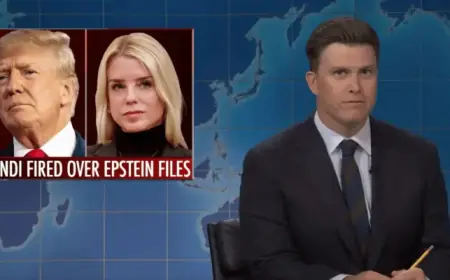










pam bondi at House Hearing: Critics Slam DOJ Handling of Epstein Files

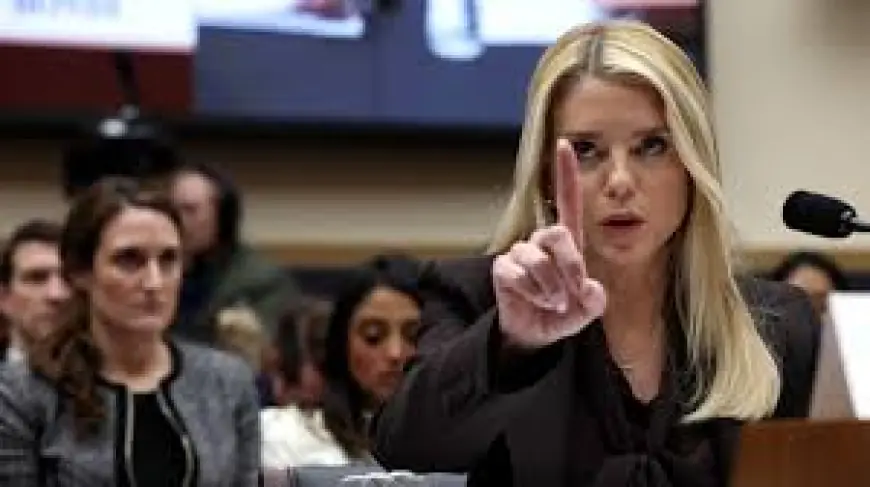
Attorney General pam bondi confronted sharp rebukes in a House Judiciary Committee hearing this week, where lawmakers and survivors assailed the Justice Department’s release of Jeffrey Epstein-related materials. The exchange focused on the department’s decision-making, a bungled document release that exposed intimate images, and the persistence of redactions that protect powerful figures.
Hearing spotlighted anger from survivors and lawmakers
The hearing unfolded as survivors of Jeffrey Epstein sat in the gallery, visibly seeking answers and accountability from federal authorities. For many in the room, the session became a test of whether the Justice Department could repair trust after a cascade of missteps. Witnesses and committee members pressed bondi on why the department delayed public access to the files and whether sufficient steps were taken to shield victims’ identities and dignity.
Bondi repeatedly rebuffed calls for an apology to survivors, instead turning parts of her testimony toward partisan critiques of members of Congress. Her exchanges drew particular attention for their tone and choice of language, which several lawmakers and advocates described as dismissive at a moment when many in the room wanted an expression of empathy and a concrete plan to prevent further harm.
Documents released with problematic redactions and exposed images
The department’s public release of materials drew immediate outrage after dozens of items were posted without required redactions. Among them were intimate photographs of young women who had been identified as victims, a mistake that survivor advocates said inflicted fresh trauma and undermined the stated goal of transparency. The mishandling prompted calls for a full review of the department’s procedures for safeguarding sensitive evidence.
At the same time, substantial portions of the document set remain heavily redacted. Lawmakers who examined the files have observed that a large share of the content is concealed, including passages that could reveal the identities of high-profile individuals. That combination — exposed private material alongside wide protective redactions for others — intensified accusations that the release was uneven and, to critics, politically motivated.
The department has defended the release as an effort to balance transparency with privacy and ongoing investigative needs. Yet the technical and procedural failures that led to an unredacted upload have left many questioning the competence of the review process and whether adequate safeguards were in place before materials went online.
Political fallout and next steps
The hearing highlighted both immediate and longer-term consequences. In the short term, advocates are pressing for remedial actions to remove improperly released images and to provide survivors with clearer remedies. Lawmakers signaled they will continue oversight of the department’s handling of sensitive materials, seeking explanations for both the delay in release and the subsequent errors.
Beyond procedural fixes, the episode has renewed focus on who benefits from redactions and who is left exposed. Critics argue that the pattern of concealment around certain names reinforces perceptions that powerful people receive preferential treatment. For survivors and their supporters, the political theater of the hearing did little to erase the sense of betrayal created by years of secrecy followed by what many call a bungled reveal.
As inquiries continue, the Justice Department faces pressure to demonstrate meaningful reforms: clearer protocols for redaction, improved review systems to prevent accidental disclosure, and a transparent account of how decisions were made. For many in Washington and beyond, the test now is whether those changes will come swiftly enough to restore trust and protect victims from further harm.