












look mum no computer eurovision song: Electronic inventor to represent UK in Vienna

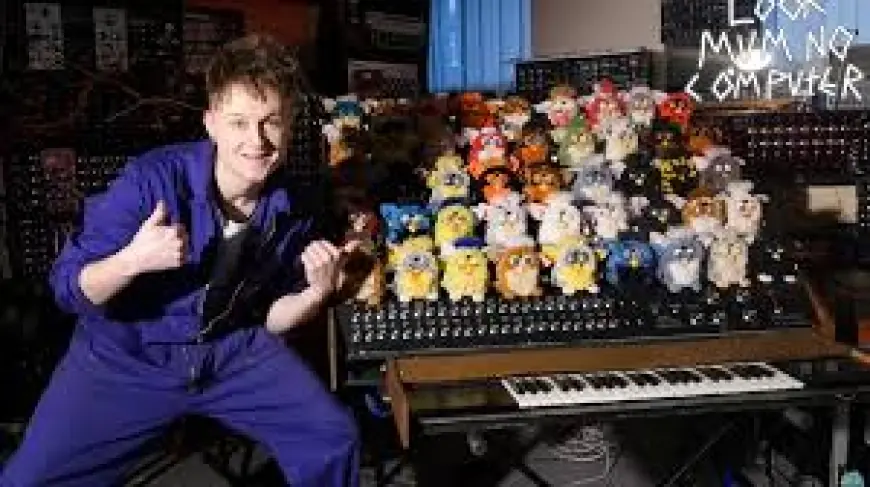
Electronic artist and inventor Sam Battle, who performs as Look Mum No Computer, has been selected to represent the United Kingdom at the Eurovision Song Contest in Vienna in May 2026 (ET). The pick spotlights a musician better known for building experimental instruments and online projects than for mainstream pop radio, and puts a distinctly DIY flavour on the UK’s bid to climb the scoreboard.
From garage inventing to a Eurovision stage
Sam Battle first emerged on the scene in 2014 as frontman of indie band Zibra and later pivoted to solo work under the Look Mum No Computer name. He has built a reputation — and a large online following — by designing unconventional electronic instruments, from organs built from Furby toys to Game Boys reprogrammed as church-organ players, synthesiser-equipped bicycles and flame-throwing keyboards. He also holds a Guinness World Record for constructing the largest drone synthesizer.
Battle runs a museum in Ramsgate dedicated to experimental and obsolete musical technology, which he describes as the home for inventions that might otherwise be discarded. He has documented much of his creative process online and counts roughly 1. 4 million combined followers across his platforms, a ready audience the broadcaster clearly weighed when choosing the entry.
On being named as the UK act, he said he finds the opportunity "completely bonkers" and called Eurovision "magical, " adding that he is taking the responsibility seriously. He promised to bring "every ounce" of his creativity to the performance and teased that he hopes the contest is ready to "get synthesized. " The song for Vienna has not been released yet.
Strategy, risk and a changing contest
The selection came through the broadcaster’s internal process with input from industry experts and is being framed as a bold, experimental choice. Officials behind the decision praised the artist’s "bold vision, unique sound and electric performance style, " saying he embodies the creativity and ambition they want on the international stage.
The announcement arrives against a turbulent backdrop for the contest. Several countries have announced boycotts over political disagreements, and television audiences across Europe have dipped in recent years. Domestically, the UK has only sporadically returned top-10 results in the last decade, with one notable high point in 2022. Recent entries have produced mixed outcomes; last year’s act finished 19th, underscoring the difficulty of predicting what will resonate with the pan-European voting public.
Enter Look Mum No Computer: a move that could be seen as an embrace of risk. Eurovision has shifted toward the theatrical and the unconventional in recent cycles, and the UK’s choice signals a willingness to lean into that trend rather than aim for safe, middle-of-the-road pop. Commentators and fans are already debating whether a gear-driven, inventor-led performance can translate into votes or will simply be too niche for mass appeal.
The road to Vienna
With the song still under wraps, expectations are focused on what Battle’s live set will look like. He has indicated work is underway on writing, producing and staging a vision built from scratch — a process he often documents publicly. That raises the prospect of a highly choreographed, tech-forward presentation that leans into the machines that made his name.
Eurovision’s live shows will take place in Vienna in May 2026 (ET), giving the artist several months to finalise the track and staging. Whether the gamble pays off will depend on whether viewers and juries reward originality over familiarity. For now, the selection marks a notable pivot for the UK: an experimental, maker-led approach that reflects the changing face of the contest and the broadcaster’s appetite for creative risk.