













Wuthering Heights movie Sparks Fresh Debate Over Faithfulness, Casting and Tone

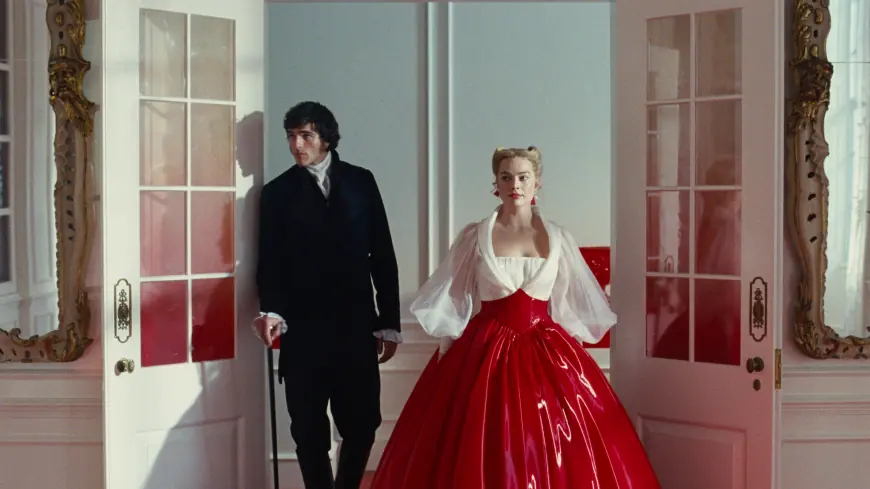
Emerald Fennell’s highly anticipated screen reimagining of Wuthering Heights opened to a wave of reactions this weekend, splitting critics and viewers over whether the film honors Emily Brontë’s savage love story or dilutes it into glossy romance. Praise has focused on provocative production design and the leads’ chemistry; criticism centers on a perceived neutering of the novel’s moral complexity and controversy over the casting of the male lead.
Style, spectacle and a deliberate fantasia
The film arrives as an overtly stylized fantasia rather than a straight retelling. From its opening sequence — a scene that initially reads like a sexual encounter before revealing itself as the convulsions of death — the movie telegraphs that it will prioritize mood and mise-en-scène over the novel’s nested narrative form. Production choices are bold and tactile: rooms papered in skin-like textures, costume moments that lean into latex and translucence, and an anachronistic pop soundtrack that reframes the moors as a stage for gothic sensuality.
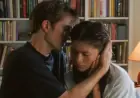
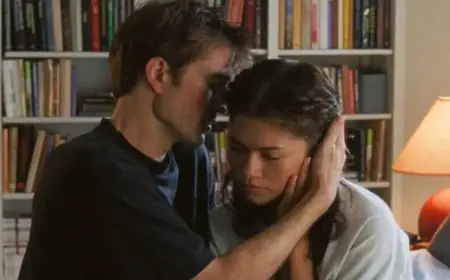
For many viewers this approach is invigorating. It reframes familiar material in modern, provocative terms and creates memorable cinematic images that keep the film alive in conversation. Fans at early screenings described an electric audience response, particularly to the pairing of the two leads on screen, and singled out moments of physicality and a charged atmosphere that pushes the material toward erotic melodrama.
Faithfulness, ferocity and the problem of softened monsters
But not all reactions are celebratory. A strong strain of criticism argues that the adaptation sacrifices the novel’s central moral engine: the terrifying, self-destructive intensity of Heathcliff and Catherine. In the book, their ferocity and capacity for harm complicate any straightforward romantic reading; readers are punished with sympathy and revulsion in equal measure. The film’s decision to render the protagonists as unusually attractive and, to some eyes, morally exculpated, has prompted complaints that the adaptation removes the tension between monstrous behavior and obsessive love.
Critics of the film say that by smoothing away the characters’ cruelty, the directors and writers have undermined the paradox that makes the source material enduringly strange. Instead of two tragic figures who wound everyone around them for love’s sake, the movie leans toward a modern romantic template in which misfortune is externalized and responsibility is minimized. For viewers who prize the novel’s brutality and moral ambiguity, that shift feels like a loss rather than an update.
Casting and cultural questions
The choice to cast a conventionally handsome actor in Heathcliff’s role has also intensified debate. Longstanding discussions about the character’s racialized descriptions in the novel and the representational implications of repeatedly casting him as white have resurfaced, with detractors calling the recent casting a missed moment for a more challenging, diverse interpretation. Supporters counter that the new performer brings charisma and screen chemistry that many audience members find irresistible, fueling box-office and social buzz.
Beyond casting, complaints about domestic abuse and coercive control in the source material have prompted scrutiny of how the film frames those dynamics. Some viewers feel the adaptation glosses over the harm that passes between characters and through generations; others argue the film’s heightened aesthetics are a way to explore that harm obliquely rather than reproduce it bluntly.
As the film continues its early release window, the conversation is unlikely to settle quickly. The Wuthering Heights story has always produced fierce disagreement over whether it is a love story, a moral lesson, a horror tale or all three at once. This new adaptation, with its glossy provocation and contentious casting choices, has merely moved that argument into 21st-century terms — and ensured that Brontë’s strange novel remains, if nothing else, a provocation worth arguing about.