



















Isabeau Levito practices ahead of her free skate

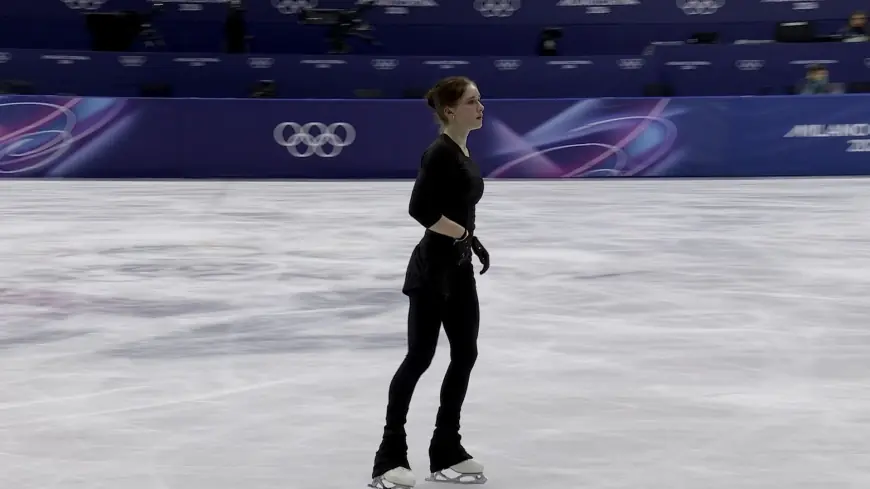
Isabeau Levito put in a measured, focused practice session at the Olympic rink on Wednesday, sharpening technical elements and refining performance details as she prepares for her free skate later this week (ET). The session underscored her readiness and poise heading into one of the sport’s most consequential segments.
On-ice session: focus on polish, not risk
Levito’s practice emphasized control and consistency. Rather than maximizing high-risk repetitions, her team prioritized clean run-throughs of choreography, accurate takeoffs and landings, and the transitions that tie the program together. The tempo of the session suggested an athlete intent on preserving energy while ensuring key technical and artistic components are competition-ready.
Coaches and support staff watched closely as Levito moved through elements, pausing periodically for brief corrections and to run isolated sequences. That balance of repetition and refinement is common in the hours before a free skate, when skaters aim to enter competition with confidence in their planned content without overtaxing their bodies.
Mental preparation and performance cues
Beyond jumps and spins, this practice highlighted the psychological work that precedes a free skate. Levito spent time off-ice visualizing sequences and walking through entrance and exit patterns for the program. On-ice, she rehearsed expressive moments and timing with the same attention she gave technical passages, a signal that artistic delivery is a priority alongside difficulty.
Intermittent signaling between Levito and her coaching staff indicated a focus on tempo and musicality rather than last-minute technical experimentation. That approach often helps skaters maintain composure under pressure: when the technical content has been secured in training, the final sessions become exercises in trust and expression.
What to watch in the free skate
Expect Levito’s free skate to present a balanced program that showcases both clean technique and performance nuance. The practice suggested she will rely on tried elements executed with precision, supported by choreography designed to maximize program component scores. Attention to transitions and musical interpretation may prove decisive when margins are tight.
Timing and official results at this stage are being managed by standard Olympic results systems, with final placements determined once all competitors complete their programs. For viewers and analysts, Levito’s ability to convert practice steadiness into competition composure will be the key storyline: a controlled practice often translates into a smooth, secure free skate when pressure is highest.
As the schedule progresses later this week (ET), skaters and teams will make final decisions about element selection and run order. Levito’s recent on-ice work indicates she is favoring consistency and clarity—an approach that could yield strong marks if executed under competition conditions.
Her practice offered a reminder that elite competition is as much about preparation and mental clarity as it is about raw technical ability. With the free skate approaching, attention now turns to whether Levito can deliver the performance her practice sessions have foreshadowed.