















wuthering heights movie opens to fierce debate over style, casting and fidelity

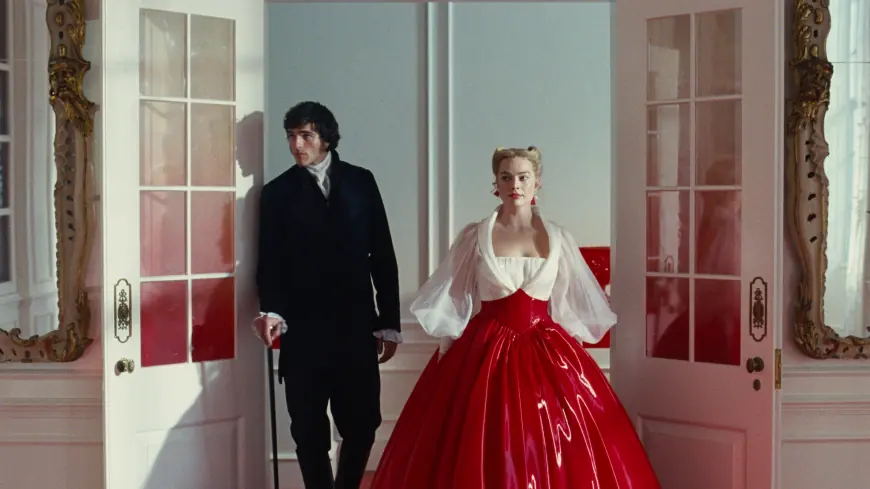
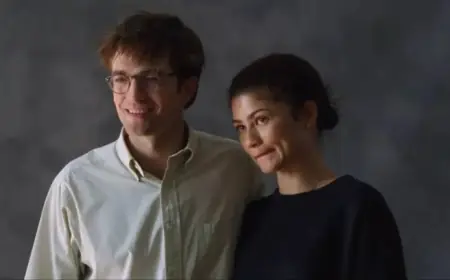
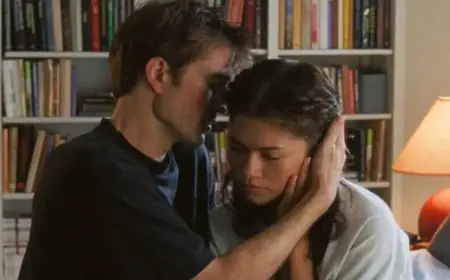
Emerald Fennell’s bold reimagining of Emily Brontë’s novel opened in theaters the weekend of Feb. 14–16, 2026 (ET) and has immediately produced a polarizing mix of praise and pushback. The film’s glossy, highly sexualized production design and the chemistry between Margot Robbie and Jacob Elordi have electrified some viewers, while others say the movie strips away the novel’s singular strangeness and moral bite.
Critics split over mood: stripped of menace or stylishly liberated?
One critical strain argues the adaptation diminishes what made the book unsettling. Reviewers note that the novel’s double nature — love as both destructive obsession and, eventually, a form of generational redemption — becomes harder to perceive when the lead characters are smoothed into glamorous, sympathetic lovers. The book’s feral edges, its cruelty and shocking moments, are frequently cited as the engine that makes the original feel unlike anything else in English literature; some viewers now say the film lacks that corrosive energy.
On the other side, defenders point to the director’s explicit framing of the project as a fantasia: a deliberately partial, stylized take focused on sensation and atmosphere rather than a line-by-line translation. The film’s set pieces lean into perverse textures and provocative close-ups, pushing a heightened, almost operatic eroticism. For audiences who came seeking heat, spectacle and star power, that gamble has largely paid off.
Audience reaction, screenings and the casting controversy
Early public screenings have produced emphatic responses. A private Galentine’s Day viewing on Feb. 13 drew spirited cheers and social buzz, with viewers praising the leads’ chemistry and the film’s sensual moments. The soundtrack and party-ready marketing have amplified the movie’s appeal to younger, theatergoing crowds.
But the casting of Heathcliff has provoked a robust debate. The original novel's presentation of Heathcliff as racially ambiguous and socially marked plays into the character’s outsider status; the new film’s choice to cast a conventionally handsome actor in that role prompted immediate conversation about erasure and fidelity. Critics argue that making Heathcliff conventionally attractive undercuts the character’s historical otherness and the tensions that helped drive the novel’s cruelty and moral complexity.
Observers have also raised concerns about the film’s treatment of domestic abuse and coercive control. The novel’s grim portrait of interpersonal violence and the harm passed down through generations is less prominent in this adaptation, which some say inadvertently romanticizes toxic dynamics by foregrounding eroticism over accountability.
What the adaptation signals for future takes on difficult classics
This release underscores the trade-offs filmmakers face when translating a famously strange, unsettling novel for contemporary screens. Choices about tone, casting and what to leave out can open a story to new audiences — and, simultaneously, elicit fierce objections from readers who regard certain elements as essential.
Whether viewers celebrate the film as a provocative fantasia or criticize it for softening the novel’s moral force, the reimagining has already sparked the kind of cultural conversation that adaptations aim to provoke. Expect the debate to continue as the film plays wider and as awards and box-office tallies accumulate in the weeks ahead.