















Why ‘Love Story’ Is Doing daryl hannah Dirty

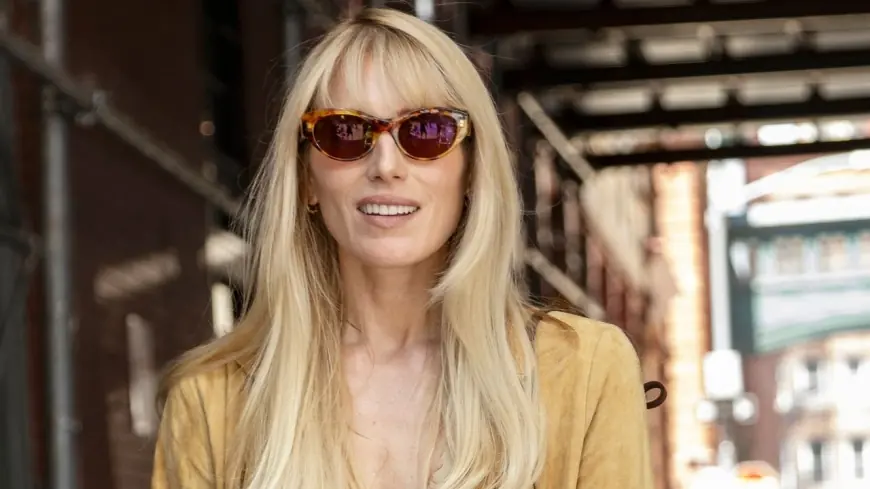
As the new series exploring John F. Kennedy Jr. and Carolyn Bessette unfolds, one recurring grievance has emerged: the fictionalized depiction of daryl hannah. Viewers and commentators are split between praise for the leads and discomfort over how the project treats a real woman who was a prominent figure in the early 1990s celebrity landscape.
How the series frames daryl hannah
The drama positions the character modeled on daryl hannah as a disruptive, eccentric foil in the central love triangle. On screen she is given moments that tilt toward caricature: petulant outbursts, theatrical affectations and a handful of scenes that emphasize instability. Those choices sharpen narrative conflict and heighten the contrast between the two romantic rivals, but they also risk reducing a multidimensional public figure to a single, sensationalized persona.
Historical context complicates the debate. The real relationship between the public figure and JFK Jr. was widely covered in tabloids and described as volatile at times. That messy public record gives storytellers material to dramatize. Still, critics argue that emphasizing certain traits—particularly when they play into stereotypes of actresses as temperamental or self-involved—can feel lazy and unkind, especially when viewers come away with a one-note impression rather than a fuller sense of a person’s life and work.
Actor intent and public reaction
The actress cast in the role has spoken about preparing for the part by studying interviews, working with a dialect coach and embracing the aesthetic of the era. She has expressed admiration for the person she is portraying, citing landmark films and a public life that made an impression on her as a young viewer. That professional respect complicates the optics: the performer is clearly attempting to bring honesty to the role even as the scripts lean into conflict.
Early reactions reflect this tension. Many viewers praise the ensemble performances and the show’s production design, while others have singled out the handling of daryl hannah’s character as unnecessarily mean-spirited. A recurring line of complaint is that the series trades nuance for narrative convenience—creating a dramatic villain out of someone whose real-life story included activism, notable film roles and a public persona that went beyond tabloid gossip.
Some commentators say the depiction could have real consequences for the woman at its center. When fictionalized portrayals prioritize dramatic friction over complexity, they can distort public memory, especially among audiences who did not live through the era in question. For living subjects, that distortion can feel particularly invasive.
Where creators might have struck a different balance
A middle path would preserve the show’s dramatic momentum without flattening a real person’s identity. That could mean adding small moments that humanize rather than caricature—scenes that show motivations, vulnerabilities and an interior life beyond jealousy or eccentricity. It might also mean rethinking the shorthand devices that equate emotional intensity with instability, or balancing scenes that depict conflict with ones that acknowledge the subject’s career achievements and activism.
Ultimately, the debate speaks to a larger question about dramatizing recent history: how to tell compelling television while treating real people—with their careers and reputations—with care. The series has sparked strong opinions, and how the writers and actors respond to that pushback will shape the show’s cultural footprint in the weeks ahead.
For now, audiences continue to tune in for the central romance and the period detail, but many will be watching closely to see whether the portrayal of daryl hannah evolves beyond shock value into something more rounded and respectful.