






















Is a New Sunbelt Populism Rising? jon ossoff and Democrats Shift to a Sharper Tone

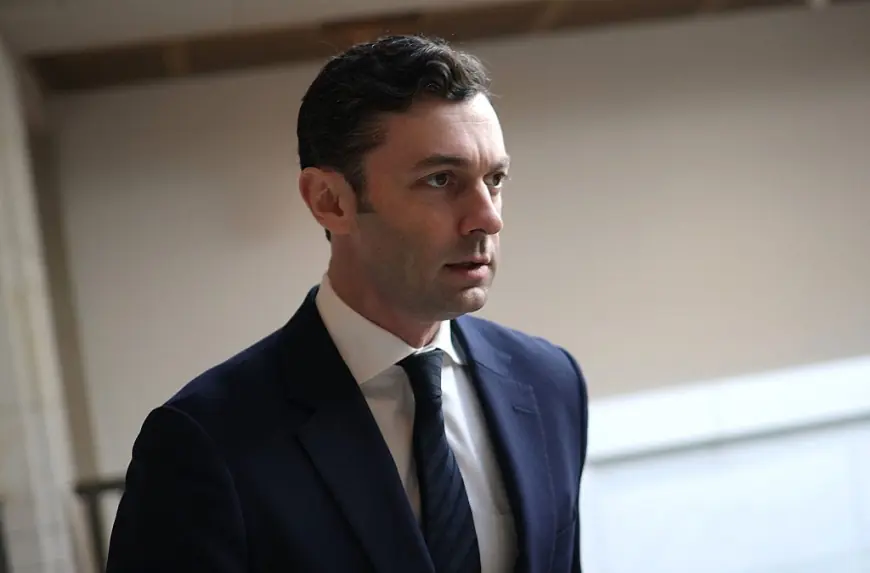
Intro: At a Feb. 7 campaign event (ET) Democratic Senator jon ossoff delivered one of the sharpest attacks on the current Republican leadership yet from his party’s swing-state ranks, recasting the MAGA coalition as proponents of intrusive, centralized power while arguing for a reborn progressive emphasis on federalism and economic relief for working families. The speech highlights a wider tactical shift among Sun Belt Democrats, who are trading cautious messaging for a more combative appeal aimed at voters fed up with concentrated influence and rising costs.
Ossoff’s Feb. 7 Address: A New Line of Attack
Speaking at an event billed as the “Rally for Our Republic, ” senator jon ossoff moved beyond conventional partisan critiques and portrayed the current Republican leadership as emblematic of an overbearing federal state and a closed economic elite. The speech’s pugilistic tone — denouncing members of the administration and their appointees — sought to link conservative governance with both corruption and coercive power. By asking rhetorical questions about how populist operatives would sell their agenda to voters left behind by economic change, he aimed to reclaim language of negative liberty and local control as progressive priorities.
The address was calibrated for two audiences: the Democratic base hungry for stronger leadership and swing voters in conservative-leaning suburbs and smaller cities. Rather than retreating from tough rhetoric for fear of alienating moderates, ossoff and other Sun Belt Democrats are betting that clarity, moral urgency, and a direct critique of concentrated power can mobilize a wider coalition. That posture reframes federalism not as a conservative talking point but as a vehicle for protecting individual rights and restraining overreach by unelected agencies.
From Rhetoric to Votes: Policy Choices That Signal the Shift
The rhetorical turn has not been purely performative. On the day of the most recent presidential inauguration, a group of senators that included jon ossoff cast votes in favor of a bill tied to law enforcement and public safety, a move that prompted warnings from progressives about civil liberties concerns. The legislation choice underscored a persistent strategic dilemma: how to regain the confidence of moderates worried about border security and safety while also holding rogue agencies accountable and protecting due process. The answer so far has been a tentative blend of toughness on enforcement and sharper critiques of economic power.
Other elected officials in the region have adopted similarly combative tones. Arizona’s new junior senator and emerging figures in Texas politics have publicly urged Democrats to confront inflation’s toll, prioritize public safety, and stop speaking in abstractions. This chorus of voices east of the Colorado River signals a coordinated effort to present Democrats as serious on both security and opportunity — and to reclaim working-class voters who feel left behind by a political class that hasn’t delivered steady economic progress.
Political Implications and Internal Tension
The shift toward what some are calling a Sun Belt populism creates both opportunity and friction inside the party. Strategically, it offers a clearer contrast with a Republican coalition that has relied on culture-war messaging and elite networks. Emphasizing economic fairness, restraint on federal agencies, and a muscular stance on public safety could help Democrats compete in states that have trended GOP in recent cycles.
At the same time, the approach risks alienating progressives who prioritize civil liberties and aggressive redistributive measures. Leadership will have to navigate these tensions while testing whether voters respond to conviction over caution. If the gamble pays off, the party’s message in the Southeast and Southwest could become more populist in tone while remaining rooted in traditional Democratic commitments to opportunity and rights.
For now, the public-facing posture of jon ossoff and his regional colleagues is a clear break from a post-New Democrat caution: a belief that tenacity and a willingness to confront entrenched interests might be the key to rebuilding competitive coalitions across the Sun Belt.