




















charles bronson reflects on 50 years inside and names his most memorable inmates

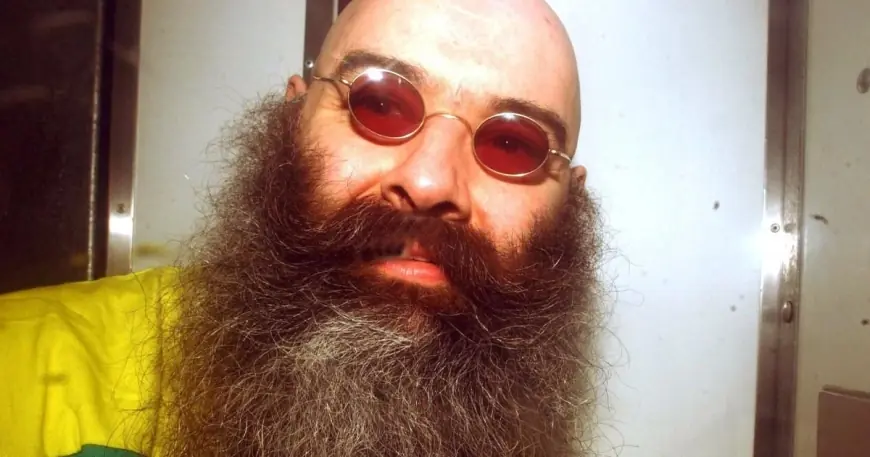
Notorious long-term prisoner Charles Bronson has described five decades behind bars as at times "horrendous and brutal" yet insists he remains hopeful about the future. Speaking from a high-security jail, the 73-year-old recounted encounters with some of the country's most infamous faces, relayed the best piece of prison advice he received, and outlined the persistent obstacles to winning parole.
Memorable figures and a piece of brutal wisdom
Bronson, who changed his name to Salvador in 2014, said his decades in different prisons and a spell in a secure hospital exposed him to a roll-call of headline-making criminals. He described meeting "legends, icons" and said those encounters were among the few bright points in an otherwise punishing life inside. "I’ve met some of the greatest characters that some people only ever read about, " he said, adding that those relationships brought moments of loyalty and humanity amid the violence and isolation.
He singled out east London gangsters Ronnie and Reggie Kray as two of the most memorable people he shared time with. "There’s no-one compares to them two. They were gentlemen. They were legends. They were decent human beings. They never went against their own. They stood loyal, " Bronson said, calling Ron "special. " He also referenced time spent alongside members of the Great Train Robbers and other high-profile gangsters encountered over decades in the system.
Bronson named an unvarnished line from fellow inmate ‘Mad’ Frankie Fraser as the sharpest piece of advice he ever received: "Don’t think it, do it. " Fraser’s counsel was aimed at the mental churn of rage and frustration in prison life — a warning that dwelling on violent impulses can be corrosive unless they are acted on, a piece of guidance Bronson said stuck with him even if it had darker implications for behaviour behind bars.
Parole limbo and a Catch-22
While Bronson speaks warmly about some inmates and friends he has made, his prospects of release remain fraught. He was first convicted in 1974 for armed robbery and has spent most of the ensuing half-century in high-security conditions, much of it in isolation. His lengthy record of violent incidents has repeatedly thwarted moves to less restrictive settings.
A former governor who once worked with him described a Catch-22: prison authorities are reluctant to test him in a normal regime because of his history of violence, but without that move he cannot demonstrate sustained change. Efforts decades ago to integrate him into a standard cell regime were quickly undone by a serious incident. The governor recalled how an experiment lasted only weeks before Bronson became involved in a hostage situation that forced staff to reassert control.
Bronson’s legal path has also been turbulent. Ahead of a recent parole review he dismissed his legal team in protest over the refusal to hold a public hearing, later writing that he had "sacked the legal team. " Panels considering his case will weigh written statements from prison staff, psychiatrists and probation experts alongside his own submissions. Options range from outright release to a staged move to an open prison, or delay for further assessment.
Bronson insists he has no regrets and says faith, hope and friendships have kept him going through "cold, empty, hopeless" stretches. But those who have worked inside the system say the climate in modern prisons — with pressures from organised crime, drugs and disorder — makes rehabilitation and careful testing of dangerous prisoners more complicated than ever, narrowing the window for someone in his position to prove they are safe to reintegrate.