
























ramadan mubarak: Ramadan 2026 — dates, fasting hours and campus guidance

Muslims around the world are preparing for Ramadan, the month of fasting, prayer and reflection. This year’s observance is expected to begin on the evening of Tuesday, February 17, 2026 (ET) or on Wednesday, February 18, 2026 (ET), depending on local moon sightings. Communities and campuses are setting out practical guidance for fasting hours, food routines and pastoral support.
Dates, moon sighting and fasting hours
The start of Ramadan always depends on the lunar calendar and the sighting of the new crescent. Officials in Saudi Arabia have announced the first day of fasting will be Wednesday, February 18, 2026 (ET) after a crescent sighting on Tuesday evening. Other countries and local moon-sighting committees may make independent determinations, so observant communities often confirm locally before beginning the fast.
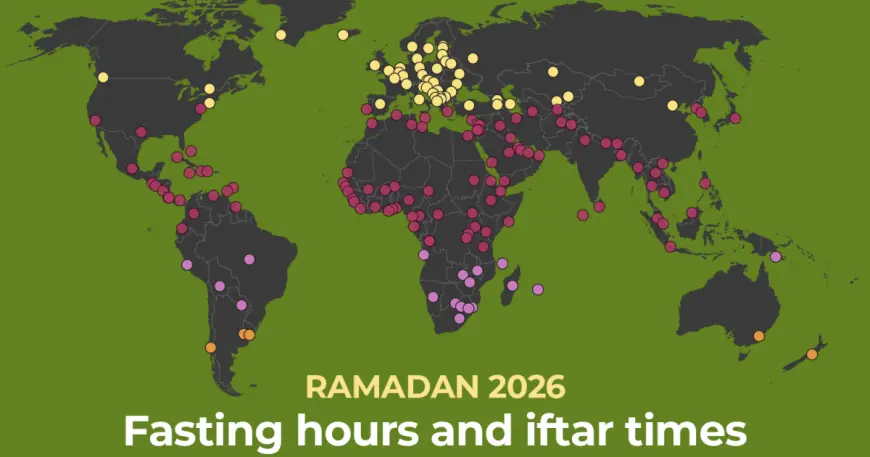
Fasting runs from dawn (suhoor) until sunset (iftar). Durations vary with latitude and time of year: global estimates place fasts for this cycle broadly between about 11. 5 and 15. 5 hours. For much of the Northern Hemisphere, this Ramadan will see shorter daylight fasts at first—roughly 12 to 13 hours on the first day—with lengths shifting slightly as the month progresses. In southern regions the fast can be longer, closer to 14–15 hours at the start.
The lunar Islamic year is around 10–12 days shorter than the solar year, so Ramadan moves earlier each year. Observant communities are encouraged to consult local prayer timetables for precise suhoor and iftar times in their city.
What students and staff should expect on campus
Institutions and workplaces are preparing to accommodate colleagues and students observing the fast. Expect modest schedule adjustments, prayer breaks and increased sensitivity to midday workloads. A staff message circulated ahead of the month extended warm greetings, reiterated common practices during the fast and asked for patience and mutual respect across campus.
Fasting members of the community can balance academic and professional duties by planning energy-intensive tasks for periods outside daylight hours where possible, staying hydrated during non-fasting hours, and using available wellbeing services. The same message encouraged colleagues to be mindful of shared spaces, offering flexibility around meeting times and deadlines where feasible.
One lecturer reflected on Ramadan as a kind of extended spiritual retreat woven between home, campus and local places of worship, noting that the month fosters discipline, gratitude and renewed attention to community needs.
Daily practices, greetings and community life
During the daylight hours, those observing Ramadan abstain from eating, drinking, smoking and sexual relations. The fast is traditionally broken at sunset with iftar, a communal meal often shared with family, friends and neighbours. The pre-dawn meal, suhoor, precedes the day’s fast.
Common greetings exchanged throughout the month include the phrases ‘Ramadan Mubarak’ and ‘Ramadan Kareem’, wishing others a blessed or generous Ramadan. Many communities increase charitable activities, communal prayers and reflection on spiritual teachings during the month.
Practical reminders for the wider public: be considerate when eating or drinking in view of fasting colleagues, allow extra time for journeys if communal prayers affect schedules, and look out for university or workplace bulletins outlining specific support services and adjustments.
As Ramadan approaches, communities will confirm exact start dates locally. Whether observing this year or offering support, the message from campus leaders and faith representatives has been clear: mutual respect, practical flexibility and compassion will help everyone navigate the month successfully.