






















New Orleans Revels on fat tuesday as Mardi Gras Climaxes

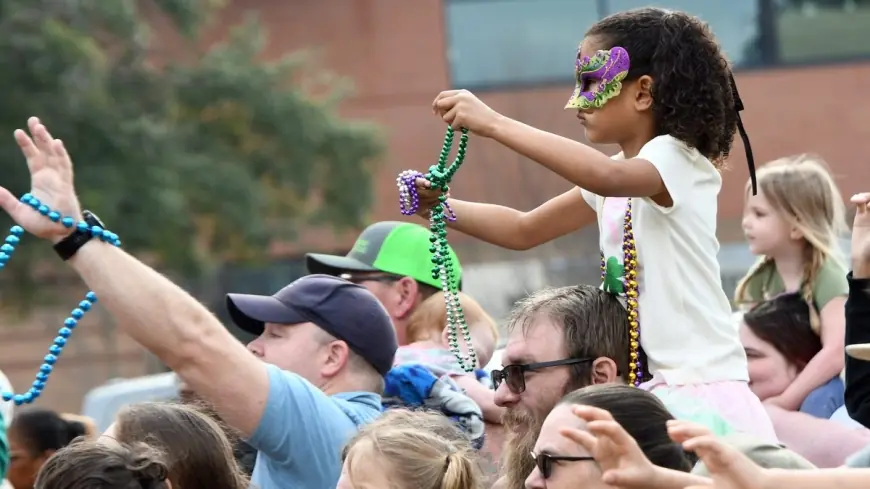
On Tuesday, Feb. 17, 2026 (Eastern Time), New Orleans poured into its streets for the finale of Carnival — Fat Tuesday — turning St. Charles Avenue and the French Quarter into a swirl of color, music and pageantry. Revelers lined balconies and curbs from dawn, seeking beads, doubloons and the coveted hand-decorated coconuts that mark the city’s most treasured parade moments.
Street-level revelry and signature throws
The day began with streets filling as the sun rose, chairs and ladders staking out premium viewing spots. Marching bands and massive floats pushed down the avenue while riders yelled the familiar plea: "Throw me something, Mister. " Parade throws ranged from plastic beads and candy to stuffed animals, cups and ornate doubloons. One of the most sought-after items was the glittering, hand-decorated coconut tossed by a long-standing krewe, which drew cheers when a man dressed as a crawfish snagged one and waved it aloft.
Costumes ran the gamut from sequined showpieces to elaborate homemade designs. Some parade-goers adopted traditional motifs like Black masking Indian regalia, beaded and topped with feathered headdresses; others mixed Egyptian-inspired looks, glittered makeup and electric hues. For many, the day is a final chance for indulgence before Lent begins the next morning with Ash Wednesday.
Tradition, statewide celebrations and quirky rivals
Mardi Gras is a statewide phenomenon, with events ranging from exclusive balls to rural traditions such as the Courir de Mardi Gras, a Cajun French run in Central Louisiana featuring costumed riders, communal gumbo-making and the chaotic pursuit of live chickens for the feast. Parades and parties also animated Gulf Coast cities beyond New Orleans, and international festivities lit up parts of Brazil and Europe.
Aside from parades, some communities keep eccentric rituals alive: pancake-tossing competitions and cross-Atlantic contests that pit towns with long pancake-day histories against one another. For residents who have left and returned, the pull of Carnival is personal and magnetic. One longtime Mardi Gras attendee, Sue Mennino, dressed in a white Egyptian-inspired costume with a gold headpiece, summed up the communal mood: "The world will be here tomorrow, but today is a day off and a time to party. "
Safety, arrests and city logistics
Large-scale street celebrations bring a heavy law enforcement and public safety presence as city crews manage crowd control, sanitation and traffic. While most of the day unfolded without major disruption, there were scattered incidents that required police response, including the high-profile arrest of a visiting actor during festivities in New Orleans. Authorities processed those involved while emphasizing routine safety protocols and the need for restraint amid crowded conditions.
Organizers and residents alike stressed that Mardi Gras remains primarily a celebration, a release of weeks-long Carnival energy before the reflective discipline of Lent. For many who line the routes and join the balls, the day is both an affirmation of local culture and a moment of emotional return, a reason to come back to the city year after year.
As night fell on Fat Tuesday, beads and glitter clogged gutters and pockets, revelers traded stories of catches and close calls, and the rhythm of brass bands receded into the late hours. The party had ended for another year, but for New Orleans and its visitors, memories of the parade — and the promise to return — will linger well past Ash Wednesday.