






















How a Stray Remark and a Lifetime in Sports Shaped jesse jackson's Legacy

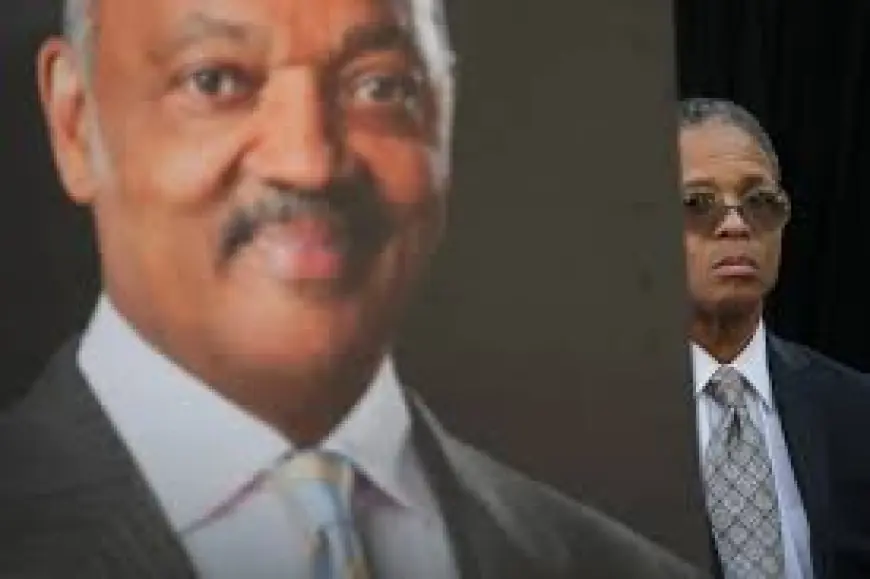
The Rev. Jesse Jackson, who died on Tuesday, Feb. 17, 2026 (ET) at age 84, leaves a complicated public record: towering civil rights work and political ambition shadowed by a single offhand epithet that helped sever a key multiracial coalition. That rupture, rooted in the 1984 presidential campaign, and Jackson’s deep ties to sports as both participant and advocate shaped how generations remember him.
The 1984 Controversy That Fractured a Political Alliance
In the run-up to the 1984 primaries, a private remark that labeled New York as "Hymietown" emerged and instantly upended a campaign built on a broad, multiracial Rainbow Coalition. The comment, first publicized days before the New Hampshire primary, prompted denials, then a public apology delivered at a synagogue in Manchester, N. H., as the candidate sought to repair trust with Jewish voters.
The fallout was immediate and lasting. What had been a durable alliance born during the civil rights era — formed by shared struggles against discrimination and mutual political goals — began to fray. In New York City, the backlash was particularly fierce, amplified by a mayor who publicly demanded a decisive response and questioned the candidate’s associations. The controversy left many Jewish voters with a single image of Jackson frozen in time, even as his broader record and rhetoric evolved in subsequent years.
Political strategists who worked on the campaign later reflected that only the candidate himself could have fully contained the damage. The episode is widely cited by historians and practitioners as a turning point that altered the dynamics of coalition politics for decades, complicating ties between Black and Jewish communities at a moment when both groups were navigating changing urban, social and geopolitical pressures.
Sports, Public Life and a Complex Legacy
Jackson’s life outside electoral politics helps explain why his legacy resists easy categorization. An athlete from his youth, he accepted a football scholarship to Illinois before transferring to North Carolina A& T, where he was a quarterback on a conference championship team in 1964 and later entered the school’s athletic hall of fame. Sports were more than pastime; they formed a language and a platform he used throughout his public life.
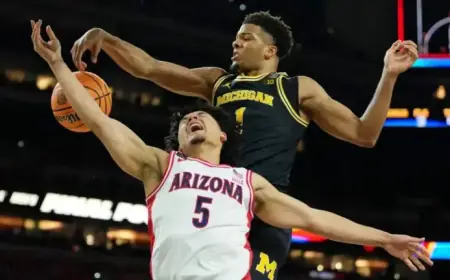
He cultivated relationships with professional athletes and routinely appeared at major sporting events, using those moments to draw attention to civil rights issues and to bridge cultural divides. Whether standing courtside at NBA games or meeting star players, he leveraged the visibility of sports to amplify causes ranging from voting rights to economic justice. For many admirers, those intersections of athletics and activism underscored his ability to connect across generations and social spheres.
Enduring Impact and Political Reverberations
Jackson’s 1984 remark did not erase a lifetime of organizing or his role in expanding political participation among working-class and minority voters, but it did alter political calculations. Party leaders and community organizers had to navigate a new reality in which long-standing alliances could be ruptured by a single scandal. The split had electoral consequences in subsequent cycles and reshaped conversations about leadership, accountability and the responsibilities of public figures.
As debates about memory and legacy continue, Jackson’s story serves as a reminder that public figures are judged by both their achievements and their missteps. His life combined inspirational organizing and rhetorical prowess with moments that provoked durable distrust. That tension will shape how historians, political operatives and the public assess his place in modern American history.
At the time of his death on Tuesday, Feb. 17, 2026 (ET), reflections on Jackson’s life quickly returned to these intertwined threads: the political coalition he helped build, the remark that fractured an alliance, and the lifelong embrace of sport as a vehicle for social change.