


















Vinicius Jr alleges racist abuse from gianluca prestianni as UEFA opens investigation

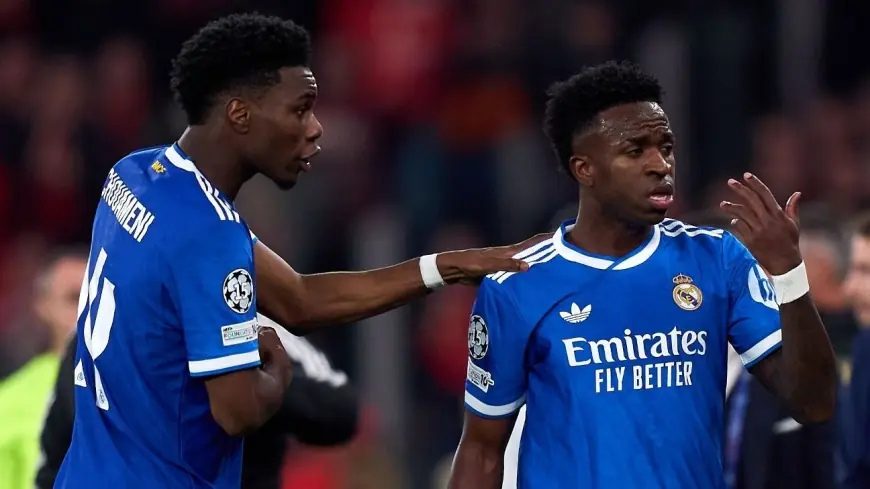
Real Madrid forward Vinicius Jr halted Tuesday night (ET) Champions League action after alleging he was racially abused by Benfica winger gianluca prestianni. The incident, which followed a remarkable goal, prompted a lengthy pause in play and has escalated into a formal UEFA inquiry amid denials, public reaction and an apology from a pundit who criticised the player's response.
UEFA launches formal probe; timeline for discipline unclear
Match referee Francois Letexier implemented FIFA’s anti-racism protocol after Vinicius reported the alleged abuse, stopping the game for around eight to ten minutes while the situation was assessed. UEFA has assigned an ethics and disciplinary inspector to gather evidence and interview those involved. Given the sensitivity and profile of the case, the process is expected to stretch into weeks rather than days, with any potential sanctions coming after a thorough review.
Under existing disciplinary rules, proven racist conduct can carry lengthy bans—the minimum recent precedent for similar conduct was a multi-match suspension—plus requirements for awareness programs tied to any punishment. With the return leg scheduled for next Wednesday (ET), it is likely that the accused player will remain eligible for selection while the investigation continues.
Denials, vocal teammates and a fraught media moment
Prestianni has denied the allegation, saying the Madrid player misinterpreted what he believed he heard. Vinicius’ team-mates rallied quickly, with one prominent colleague stating he heard a racial slur repeated multiple times during the confrontation. The episode provoked intense debate about how players should respond to abuse and whether on-field protests are judged more harshly than the abuse itself.
The manager of the home side suggested that the celebration that followed Vinicius’ spectacular goal had provoked the exchange and referenced the club’s own historic Black legend when defending his squad’s character. Those remarks drew immediate criticism from anti-discrimination campaigners who called them a form of gaslighting that shifts blame onto the abused player rather than addressing allegations of racist conduct.
Separately, a former referee who had criticised Vinicius’ behaviour during live commentary later apologised on social media, saying his original comments were clumsy and wrong and that nothing justifies racism in sport.
Context: a long pattern of allegations and global attention
Vinicius has become a prominent figure in football’s fight against racism. Over eight years at his club, he has been at the centre of multiple incidents—this is now the 20th alleged episode he has publicly identified. That sustained pattern has elevated his status beyond the pitch; he is widely seen as a symbol of resistance to discrimination, and his reactions to abuse are often scrutinised in real time.
The match in Lisbon should have been dominated by celebration of a moment of individual brilliance, but it instead focused the spotlight back on the sport's persistent struggle with racist behaviour and the mechanisms in place to address it. Observers warn that the case will test existing protocols, how clubs handle allegations when they involve their own players, and whether governing bodies can deliver timely, transparent outcomes that satisfy the public and the players involved.
As the investigation proceeds, football faces more than a disciplinary question: it confronts how to protect players on the field, how to interpret confrontations that follow provocative moments, and how to ensure that responses from clubs and managers do not undermine anti-racism efforts. The coming weeks will determine whether that system can meet those expectations.