
















Tony Clark’s Exit Sparks Intense Scramble for MLBPA Leadership

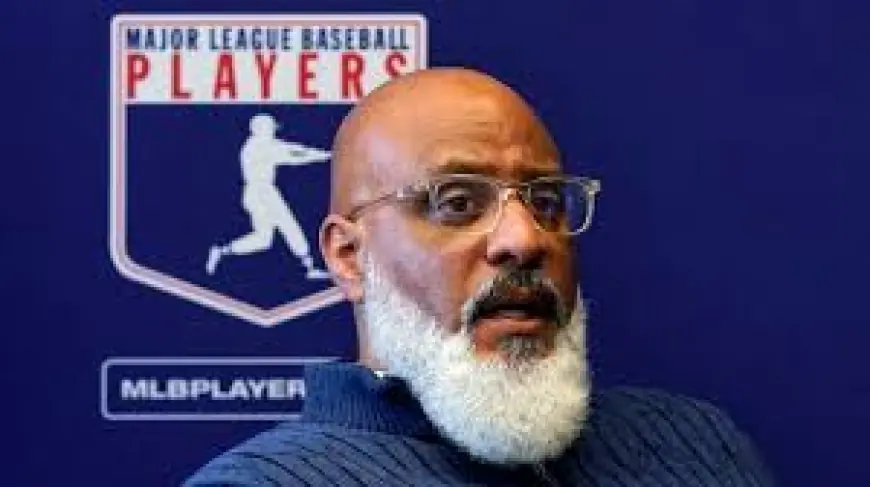
Tony Clark’s sudden resignation as executive director has thrust the Major League Baseball Players Association into an expedited, often contentious process to name an interim successor. In the hours after the announcement, player representatives, agents and club delegates moved quickly to weigh options while debating how fast and how far the union should pivot ahead of the next bargaining cycle.
Swift scramble for an interim executive
The union’s executive board convened a conference call on Tuesday that included the executive subcommittee and representatives from all 30 clubs. While deputy executive director Bruce Meyer emerged as the leading internal candidate, the board stopped short of anointing him interim head during that call. Several teams called meetings Wednesday morning ET ahead of potential votes later in the day, underscoring the urgency inside clubhouses and front offices.
Behind the scenes, players and agents are lobbying for a broader, more deliberate search. With the collective bargaining agreement not set to expire until Dec. 1, those voices argue the union can afford time to identify a leader who commands broad support across player groups and who can manage both legal strategy and the political complexities of a diverse membership.
Contenders and the politics shaping the choice
Meyer is admired by some for his tenacious negotiating style and legal experience; he was brought into the union to add negotiating muscle. Yet his candidacy is polarizing. Critics question his leadership style and worry that promoting him quickly would deepen internal divisions. Prominent agent Scott Boras has publicly endorsed Meyer, saying the union’s bargaining preparation has been uninterrupted and that experienced legal counsel remains in place — a boost that has only sharpened debate about outside influence on the union’s succession process.
Other names have surfaced as credible alternatives. General counsel Matt Nussbaum is a possible contender, offering continuity on legal and negotiating matters. Don Fehr, who led the union from 1983 to 2009 and remains a familiar figure in labor circles, is also a potential stopgap, though he has not publicly commented. Current and former players who were active in union affairs — including Daniel Murphy and Andrew Miller — have drawn mention as figures who might bridge divides between rank-and-file concerns and leadership responsibilities.
The dynamic within the union’s executive subcommittee adds complexity. Several members represent high-profile players with strong agent affiliations. Two clients of Boras are on the eight-player subcommittee and other clients serve as player representatives, amplifying debate about whether the selection process should prioritize immediate bargaining readiness or broader trust among players.
What comes next for the MLBPA
Bruce Meyer has publicly sidestepped direct confirmation that he seeks the top role while speaking from a major-league spring camp in Surprise, Arizona. The union faces a delicate balancing act: it must maintain momentum on collective bargaining preparation and day-to-day player representation while also restoring confidence after a sudden leadership vacancy.
Clark’s resignation capped a four-day upheaval. An internal inquiry concluded that he had an inappropriate relationship with a union employee who was hired last year; that finding precipitated his abrupt departure and set off the search for interim leadership. That fallout has sharpened internal calls for transparency and for clear criteria in selecting a successor capable of unifying a fractious membership.
With months before the CBA’s expiration, many players and agents believe the union should resist a rushed elevation and instead pursue a process that vets potential leaders thoroughly. The immediate task will be stabilizing daily operations, preserving bargaining readiness and calming members’ concerns. How the executive board balances speed with inclusiveness will shape the union’s course through the next bargaining cycle and beyond.
For now, the debate is both procedural and political: whether to choose a familiar deputy who brings aggressive advocacy and legal muscle, or to open the search to a broader slate of candidates who might better heal internal rifts. The decision will reverberate across clubhouses as the association seeks to reassert steady stewardship amid an unusually turbulent leadership transition.