

























south african gold fever grips Springs after lucky find in cattle pen

Updated Feb. 18, 2026 ET
A wave of informal prospecting has broken out in Gugulethu, an informal settlement on the eastern edge of Springs, after a local resident discovered tiny gold particles while digging in a cattle enclosure. Dozens of people have since descended on the site with shovels and pickaxes, creating scenes that echo the town's century-old mining past and prompting urgent warnings from government authorities about illegal activity, environmental damage and health hazards.
Illegal rush, makeshift markets and local desperation
Word of the find spread rapidly through nearby settlements, drawing small teams who sieve soil into sacks to take home for processing. Several people at the site say they have already found flecks of gold and sold them on the black market, turning a few grams into immediate cash. One man at the site said, "We know this is illegal. We want the government to give us mining permits so we can work and pay tax. " Another added, "This is the only hustle we know. It has saved many of us from being arrested for committing serious and violent crimes. "
Springs was once a busy gold town, but its formal mines were shut after shafts became too deep and uneconomical to operate. The town is now ringed by informal settlements many of whose residents are migrants from neighbouring countries. For a population facing chronic unemployment and low wages, even a small find can represent a lifeline: a single gram of gold is currently worth roughly $100, and that immediate cash is driving risky decisions on land that is privately owned or environmentally sensitive.
Environmental damage and toxic processing risks
Authorities have issued stern warnings about the environmental and health consequences of the rush. Makeshift extraction often relies on hazardous chemicals such as mercury and sodium cyanide to separate gold from soil and ore. These substances can contaminate water, soil and food chains, posing acute dangers to children and other residents living nearby. Observers at the site have noted unstable ground where people have been digging, raising the risk of collapses and injuries.
Officials have also highlighted that open excavation and unregulated processing generate dust and chemical runoff that can extend harm well beyond the immediate area. The combination of physical hazards, untrained operators and chemical use elevates the long-term cost to community health and the local environment, even if short-term gains are realised by opportunistic diggers.
Calls for formalisation, enforcement and social support
Government departments have condemned the activity as unlawful and warned that it undermines both public safety and environmental protections. At the same time, officials have signalled pathways for artisanal and small-scale miners to formalise operations, offering guidance on permitting and regulatory compliance to those who wish to work legally. Local authorities have urged residents to report illegal digging, while also acknowledging the underlying economic pressures that drive informal mining.
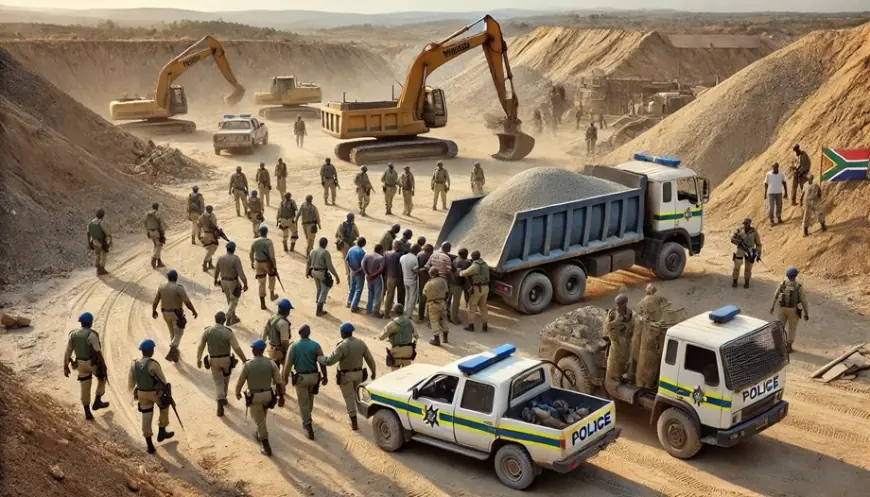
Recent national-level moves to tackle illicit mining include deployments of security forces to affected provinces, aiming to curb organised and dangerous operations. But community advocates argue that enforcement must be coupled with meaningful economic measures: access to legitimate small-scale mining permits, job creation programmes, and support for vulnerable households would reduce incentives for risky, illegal activity.
For now, the fenced-in cattle pen in Gugulethu remains a magnet for hopeful prospectors. The scene is a stark reminder that where formal opportunities are scarce, informal economies and dangerous improvisation can quickly take hold — posing questions about how to balance law enforcement, environmental protection and the urgent needs of people striving to feed their families.