

























Gold Price Today: 9ct Gold Holds Near Spot as 9 Carat Scrap Rate Stands at £39.71/g

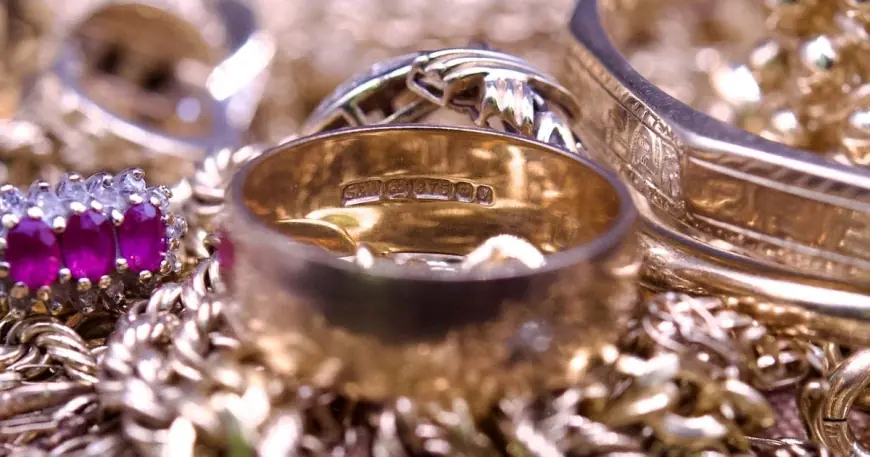
Short intro: On 18 February 2026 (ET) a prominent UK buyer quoted 9 carat scrap gold at £39. 71 per gram, translating to roughly £1, 235. 10 per troy ounce with no listed deductions. The headline rate highlights how lower-carat jewellery values are tracking live spot movements while remaining subject to dealer margins and transactional terms.
Market snapshot and the 9ct quote
The current 9ct price per gram of £39. 71 places the alloy only marginally beneath the adjusted spot-derived benchmark for 9 carat material, which stands at about £1, 382. 70 per troy ounce before dealer margins. Using the standard troy conversion (31. 1035 grams per ounce), the quoted payment of £39. 71/g yields approximately £1, 235. 10 per troy ounce. This quote is presented as a gross payout: no testing, processing or refining fees are shown to be deducted from the headline price. For postal transactions, valuations are typically locked to the rate in force on the day the package is received by the buyer, while in-person valuations use the live rate at the time of visit.
What the number means for sellers and buyers
For consumers holding 9ct jewellery—an alloy that contains 37. 5% pure gold and 62. 5% base metals such as copper, zinc, nickel or silver—the quoted rate offers a straightforward rule of thumb for estimating cash value. Because 9ct is the most common jewellery purity in the UK market, it accounts for significant volume in scrap flows. Sellers should note three practical points:
- Check whether the buyer's quoted gram price is net of any fees; some operations deduct testing, handling or refining charges that lower the cash paid.
- Postal and in-person valuations can differ: postal customers generally receive the rate that applies on the day the buyer receives the parcel, whereas face-to-face customers get the rate at the time of valuation.
- Flash offers with heavy advertising can mask large dealer margins—quotes that look high in marketing may still pay far less after fees and conversions are applied.
How 9ct is calculated and what to watch next
Understanding the composition helps explain pricing. The 9ct or 9 carat designation means 9 parts gold out of 24, equal to 37. 5% pure gold content. That intrinsic fraction is multiplied by the live spot price of pure gold to derive a theoretical baseline for 9ct material; dealers then apply margins and any operational adjustments to arrive at a customer-facing quote. Market infrastructure also matters: live precious-metal price feeds refresh frequently during trading hours, and retail or wholesale buying rates will often move in step with broader spot dynamics. Sellers should watch intraday spot volatility and confirm whether a quoted price is indicative or guaranteed at the point of sale. If immediate market-level liquidity is a concern, timing the sale for market hours can help avoid stale quotes. Practical takeaway: for anyone considering selling 9ct jewellery, a headline rate of £39. 71 per gram on 18 February 2026 (ET) represents a close-to-spot retail payout with no advertised deductions. Still, compare final net offers, confirm how and when the applicable rate is set, and ask for a full breakdown of any potential charges before completing a transaction.